You might find it alarming that the recent impersonation of Hong Kong's Chief Executive, John Lee Ka-chiu, has led to a major cryptocurrency scam. Scammers set up a fake social media account to promote a fraudulent token named "National Hong Kong Coin." The implications of this deception raise serious concerns about digital safety and trust. What does this mean for investors and the future of cryptocurrency in Hong Kong?

In a startling case of identity theft, scammers have impersonated Hong Kong's Chief Executive, John Lee Ka-chiu, to promote a fraudulent cryptocurrency known as "National Hong Kong Coin." This scam unfolded on a fake X (formerly Twitter) account, where the impersonator claimed to represent an official government initiative. The account boasted a gray verification mark, typically reserved for government entities, which added a layer of credibility to their deceitful claims.
You might've seen the account engaging with prominent figures to further legitimize itself, making it all the more convincing. However, the Hong Kong government quickly stepped in to deny any involvement in launching a national cryptocurrency. They issued a public warning urging citizens to verify information through official channels and be cautious of such scams.
The Hong Kong government swiftly denied any ties to the fraudulent cryptocurrency and urged citizens to verify information through official channels.
Despite the government's swift response, the fraudulent scheme initially attracted some investor interest, briefly peaking at a market capitalization of $200,000. But it quickly collapsed, failing to gain significant traction in the cryptocurrency market. The impostor likely hacked the account of Indian officials to execute the scam, further complicating the investigation.
The scammers didn't stop there; once exposed, they deleted posts related to the fake cryptocurrency. They even changed the username of the account to "moftransilvania," attempting to cover their tracks. Notably, the scam lacked a contract address, a significant red flag for potential investors. This absence made it easier for the savvy to recognize the fraud, but not everyone was so fortunate.
The incident underscores the growing trend of political memecoins in the cryptocurrency landscape, raising concerns about their impact on market stability. While Solana, the blockchain purportedly used for this scam, remained unaffected—trading at around $147.53—this case highlights the vulnerabilities in the crypto space that scammers exploit.
It mirrors similar scams globally, such as a fraudulent cryptocurrency scheme in Saudi Arabia and Argentina's ill-fated Libra token, which caused substantial losses. As the Hong Kong government referred the matter to the police for investigation, they stressed the importance of public vigilance against such scams.
With the rise of digital currencies, the threat of impersonation schemes is likely to persist. You should always double-check information and be wary of investments that appear too good to be true. Staying informed and cautious is your best defense against falling victim to these increasingly sophisticated scams.
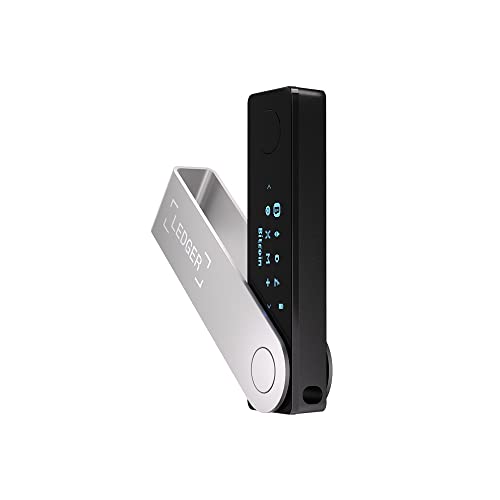
Ledger Nano X Crypto Wallet Signer – Securely Manage All Your Crypto Assets with This Bluetooth Enabled Classic – Onyx Black
Effortlessly build your crypto portfolio via the all in one Ledger Wallet app: buy, sell, send, receive, swap,…
As an affiliate, we earn on qualifying purchases.
As an affiliate, we earn on qualifying purchases.

CaseSack Case for TANGEM Secure Crypto Wallet – Trusted Cold Storage for Bitcoin
Perfect for TANGEM Secure Crypto Wallet – Trusted Cold Storage for Bitcoin
As an affiliate, we earn on qualifying purchases.
As an affiliate, we earn on qualifying purchases.

Fakes, Scams & Forgeries: From Art to Counterfeit Cash (Crime & Detection)
As an affiliate, we earn on qualifying purchases.
As an affiliate, we earn on qualifying purchases.

TANGEM Crypto Wallet Pack of 3 – Trusted Cold Storage Hardware Wallet
Proven security at scale: Over 9 years and millions of cards issued with no known remote hacks, while…
As an affiliate, we earn on qualifying purchases.
As an affiliate, we earn on qualifying purchases.