

Downsizing your home can boost your retirement cash flow by lowering ongoing costs like taxes, utilities, maintenance, and insurance. Selling a larger property provides cash that you can invest or save for future needs. While moving costs may reduce some savings, the long-term benefits often outweigh these expenses. Additionally, energy-efficient upgrades can cut utility bills further. If you explore this topic more, you’ll discover how strategic planning maximizes your financial security and lifestyle freedom.
Key Takeaways
- Downsizing reduces ongoing expenses like property taxes, maintenance, and utilities, increasing disposable income in retirement.
- Moving costs and upfront expenses may temporarily offset savings but can be managed with proper planning.
- Selling a larger property provides cash that can be invested or used to enhance retirement security.
- Long-term savings from energy efficiency and lower maintenance boost retirement cash flow over time.
- Overall, strategic downsizing can improve financial stability and freedom during retirement years.

Are you considering downsizing as a way to bolster your retirement cash flow? If so, you’re likely looking at how moving to a smaller home could free up funds for your daily expenses or future plans. But before you make the move, it’s important to understand how downsizing impacts your finances, especially regarding property taxes and moving costs. These are often overlooked but can significantly influence your overall savings and cash flow.
When you downsize, one of the main financial benefits is usually a reduction in property taxes. Smaller homes typically have lower assessed values, meaning your annual property tax bill drops. This reduction can lead to noticeable savings each year, especially if you’re moving from a large, expensive property to a more modest one. However, the actual savings depend on your local tax rates and the new home’s assessed value. It’s worth comparing these figures beforehand so you can accurately forecast how much more cash will stay in your pocket each year.
Moving costs are another critical factor to consider. While downsizing might be cheaper in the long run, the upfront expenses can be substantial. Hiring movers, packing, and possibly renovating your new home all add up quickly. You might also encounter costs related to transferring utilities, updating addresses, and even storage if your move requires interim arrangements. These expenses can eat into the savings you expect from lower property taxes, so it’s smart to budget for them carefully. Planning ahead and getting quotes from moving companies can help you avoid surprises. Additionally, understanding the real estate market can help you time your sale and purchase for optimal financial advantage.
Beyond the immediate financial aspects, downsizing can improve your cash flow by reducing ongoing expenses like maintenance, insurance, and utilities. A smaller home often means less cleaning, fewer repairs, and lower energy bills, all of which contribute to more disposable income. Additionally, if you’re able to sell your larger property for a good price, the proceeds can be invested or saved, further strengthening your financial position. Incorporating molecular-scale circuits into smart home technology could also enhance energy efficiency, making your smaller home even more cost-effective. It’s also helpful to remember that mobility tips can make downsizing easier and more manageable, especially as you age. Moreover, understanding the market conditions can help you make smarter decisions and maximize your benefits. Staying informed about market trends can help you navigate fluctuations and optimize your timing for buying and selling.
In the end, downsizing can be an effective strategy to increase your retirement cash flow, but it’s essential to weigh the immediate costs against long-term savings. By carefully considering property taxes, moving expenses, and ongoing costs, you’ll be better equipped to make a move that genuinely enhances your financial security. With thoughtful planning, downsizing can free up funds and simplify your retirement years, giving you more freedom to enjoy the lifestyle you’ve worked so hard to achieve.
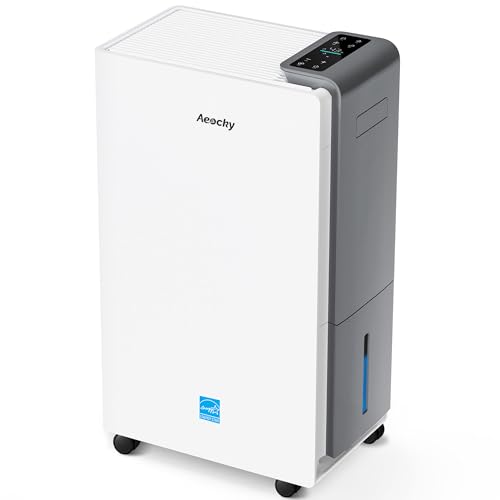
AEOCKY 4500 Sq.Ft Energy Star Most Efficient 2025 Dehumidifier, Max 80 Pint/Day Smart Compressor Dehumidifier with Drain Hose, Intelligent Humidistat,for Basement,Bedroom,Home,Bathroom
【ENERGY STAR 25 ≠ ENERGY STAR Most Efficient 2025】Don't fall for competitors' word games. Only 2.6% of ENERGY…
As an affiliate, we earn on qualifying purchases.
As an affiliate, we earn on qualifying purchases.
Frequently Asked Questions
How Does Downsizing Affect Long-Term Healthcare Costs?
Downsizing can lower your long-term healthcare costs by freeing up cash for better care options and reducing maintenance stress. It improves housing affordability, making it easier to afford quality healthcare services. However, emotional adjustment might be challenging as you adapt to a smaller space and new environment. Overall, downsizing can positively impact your healthcare expenses, but consider the emotional aspects to guarantee a smooth shift and long-term well-being.
What Are Hidden Costs Associated With Downsizing?
Hidden costs of downsizing include losing emotional attachment to your home and paying for luxury amenities you no longer need. You might underestimate moving expenses, renovations, or storage fees. While downsizing can save money, these hidden costs can add up quickly, making the shift more expensive than expected. To enjoy the benefits, plan carefully, and consider potential emotional and financial expenses before making your move.
Can Downsizing Improve Retirement Lifestyle?
Yes, downsizing can improve your retirement lifestyle by freeing up funds to explore new retirement hobbies and increase community involvement. With a smaller home and lower expenses, you have more time and money to enjoy activities you love, whether it’s gardening, traveling, or volunteering. This shift often leads to a more fulfilling and active retirement, making your golden years richer in experiences and social connections.
How Does Downsizing Impact Inheritance Planning?
Downsizing can simplify estate preservation and streamline inheritance transfer, making it easier for you to pass assets to heirs. By reducing the size of your property, you minimize estate costs and potential complications. This often results in a clearer, more efficient transfer process, ensuring your inheritance reaches your loved ones smoothly. Downsizing helps you focus on what truly matters, protecting your estate and easing your heirs’ future financial planning.
What Are Tax Implications of Selling a Larger Home?
Selling a larger home involves maneuvering market fluctuations and emotional attachment. You might face capital gains taxes if your property isn’t your primary residence or if you exceed the tax exclusion limits. Timing and market conditions influence your tax outcome. While emotional ties can make the process bittersweet, understanding potential tax implications helps you plan better. Being aware of these factors guarantees you’re prepared for financial surprises, making your shift smoother.
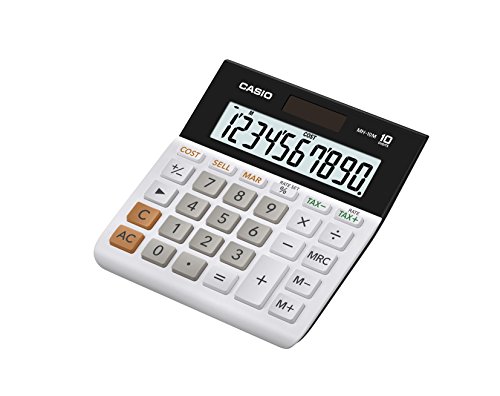
Casio MH-10M Desktop Calculator – Large 10-Digit Display | Cost/Sell/Margin & Tax Functions | Ideal for Home & Office Use
EXTRA-LARGE 10-DIGIT DISPLAY – Clear, oversized screen allows for easy viewing of multi-digit numbers, reducing input and reading…
As an affiliate, we earn on qualifying purchases.
As an affiliate, we earn on qualifying purchases.
Conclusion
Think of your retirement as a delicate garden. Downsizing is like trimming back overgrown branches—necessary but with care, it allows new growth and fresh blooms. If you prune too much, you risk leaving your garden barren; too little, and the weeds choke out the beauty. By understanding how downsizing impacts your cash flow, you nurture your financial landscape. With thoughtful pruning, your retirement garden can flourish, offering vibrant, lasting peace and fulfillment in every season.

475 Tax Deductions for Businesses and Self-Employed Individuals: An A-to-Z Guide to Hundreds of Tax Write-Offs
As an affiliate, we earn on qualifying purchases.
As an affiliate, we earn on qualifying purchases.

Downsizing in Style: A million little things. Well, not a million, but lots of good stuff
As an affiliate, we earn on qualifying purchases.
As an affiliate, we earn on qualifying purchases.