
When managing RMDs in a Gold IRA, you need to plan carefully because these distributions involve physical gold, not just cash. You’ll have to sell some gold to meet the required amount, which can trigger capital gains taxes if the gold has appreciated. Timing your sales and understanding market values help you minimize taxes and avoid penalties. Staying organized and strategic ensures you stay compliant without sacrificing your retirement goals—there’s more to take into account for balancing these factors effectively.
Key Takeaways
- Understand that RMDs apply to physical gold holdings, requiring liquidation or distribution of a portion annually after age 72.
- Plan ahead to align gold liquidation timing with market conditions for optimal value.
- Consider the tax implications of selling gold, including potential capital gains taxes.
- Incorporate RMDs into your broader retirement strategy to ensure compliance and financial stability.
- Maintain proper documentation and valuation of gold assets to facilitate accurate RMD calculations.

When it comes to managing your Gold IRA in retirement, understanding Required Minimum Distributions (RMDs) is essential. RMDs are the minimum amounts you must withdraw from your account each year once you reach a certain age, usually 72. Failing to take your RMDs can lead to hefty penalties, so it’s crucial to plan ahead. But beyond the compliance aspect, RMDs also have significant tax implications. Since your Gold IRA is tax-advantaged, the way you handle your distributions can affect your overall tax situation. When you withdraw your RMD, it’s considered taxable income, which could bump you into a higher tax bracket or increase your tax bill. To manage this effectively, you need to consider your overall tax strategy, perhaps timing withdrawals to minimize taxes or offsetting RMDs with other deductions.
Handling RMDs in a Gold IRA requires thoughtful investment strategies. Unlike traditional IRAs that hold stocks or bonds, your Gold IRA involves physical precious metals. This unique asset class means you have to think differently about distributions. For example, when you withdraw gold, you’re not just taking cash; you’re taking physical assets that may need to be sold to generate the cash necessary to meet your RMD. This process can trigger capital gains taxes if the gold has appreciated in value. Therefore, your investment strategy should include planning for these potential tax liabilities, possibly by holding some assets in more liquid forms or diversifying your holdings to reduce the tax impact of withdrawals. Recognizing the physical nature of your assets can help you plan for the logistics and tax considerations involved in liquidating gold. Additionally, understanding the nature of precious metals and their valuation can assist in making informed decisions about when and how much to liquidate. Being aware of the market fluctuations of precious metals can also help you time your distributions more effectively. Moreover, staying informed about the pricing trends of metals can aid in optimizing your liquidation timing to maximize value. As your assets may fluctuate in value, staying current on market trends allows for smarter decision-making.
Another consideration is how your RMDs fit into your broader retirement income plan. You might prefer to keep more gold in your account for long-term preservation, but RMDs require liquidating some assets annually. This could influence your investment strategy, prompting you to balance between maintaining physical gold for its hedging qualities and ensuring enough liquidity to meet your distribution requirements without causing unnecessary tax burdens. Planning ahead for these distributions can help you avoid selling assets at inopportune times when prices are low. Proper planning also involves understanding the tax implications of liquidating gold and the best strategies to minimize tax burdens. Ultimately, thinking about RMDs in your Gold IRA is about more than just compliance. It’s about integrating these distributions into a comprehensive plan that considers tax implications and optimizes your investment strategies. By doing so, you can better control your income, reduce taxes, and preserve your wealth throughout retirement. Proper planning ensures that you meet your RMDs without sacrificing your financial goals or exposing yourself to avoidable tax penalties.
Gold IRA required minimum distribution kit
As an affiliate, we earn on qualifying purchases.
As an affiliate, we earn on qualifying purchases.
Frequently Asked Questions
Can I Delay RMDS on My Gold IRA Beyond Age 72?
You can’t delay RMDs on your gold IRA beyond age 72, as IRS rules require you to start withdrawals then. To manage this, guarantee your gold’s purity meets IRS standards and choose secure storage options, like a reputable depository. Proper planning helps you meet RMD obligations without penalties, and maintaining high gold purity ensures your assets stay compliant and valuable, simplifying your distribution process at age 72 and beyond.
How Do RMDS Impact My Gold Holdings’ Value?
Ironically, RMDs can actually boost your gold holdings’ value by forcing you to sell a portion, helping with the RMD calculation. When you take RMDs, you must liquidate some gold for cash, which can sometimes trigger higher storage fees if not managed carefully. While it might seem like a hit to your gold stash, proper planning guarantees you meet RMDs without sacrificing too much of your precious metals.
Are RMDS Required if My Gold IRA Is Inherited?
Yes, RMDs are required if your gold IRA is inherited, especially if you’re an IRA beneficiary. You’ll need to take distributions based on your life expectancy, even though your gold stays stored securely. Remember, the IRS mandates these RMDs, so guarantee your gold storage complies and that you meet all distribution deadlines. Failing to take RMDs can lead to hefty penalties, so stay proactive with your inherited gold holdings.
What Are the Tax Implications of RMDS From a Gold IRA?
When you take RMDs from a Gold IRA, the IRS considers your precious metals as taxable income, meaning you’ll pay ordinary income tax on the distribution. If you miss or delay RMDs, you face significant tax penalties, often 50% of the amount that should have been withdrawn. Properly managing RMDs guarantees you avoid hefty penalties and keeps your precious metals investments compliant with IRS rules.
Can I Withdraw More Than the RMD Amount From My Gold IRA?
You can withdraw more than the RMD amount from your gold IRA, but be careful—doing so doesn’t exempt you from IRA penalties if you withdraw before age 59½. Remarkably, over 30% of IRA owners have faced penalties because they missed RMDs or withdrew too little. When you withdraw more than the RMD, make sure your gold storage complies with IRS rules to avoid penalties, and consult a tax professional to manage tax implications.
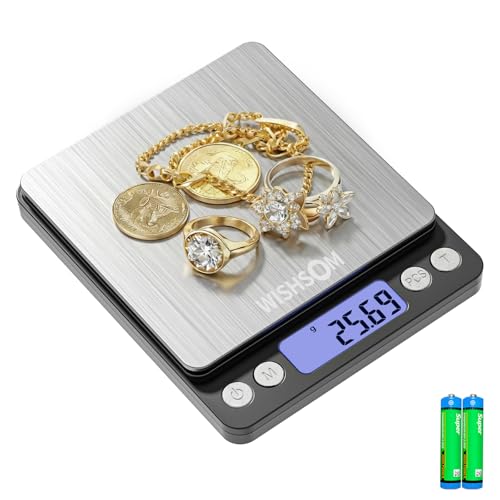
WISHSOM Professional Jewelry Scale, 500g x 0.01g High Precision Digital Gold Scale, Portable Precious Metal Gram Scale for Jewelers, Pawn Shops, Coin Dealers, Gold & Silver Weighing
- High Precision Digital Scale: 500g capacity with 0.01g accuracy
- Durable Stainless Steel Platform: Built for daily heavy use
- User-Friendly LCD Display: Backlit for clear readability
As an affiliate, we earn on qualifying purchases.
As an affiliate, we earn on qualifying purchases.
Conclusion
Remember, RMDs in a Gold IRA aren’t just a rule—they’re a reminder to stay prepared for the future. Sometimes, the unexpected twists in life, like market shifts or personal changes, can align with these requirements, nudging you to reassess your strategy. Embrace the coincidence as a sign to stay flexible and vigilant. Ultimately, thoughtful planning today can turn your gold into a lasting legacy, shaping your financial story in ways you might never expect.
As an affiliate, we earn on qualifying purchases.
tax-efficient gold selling guide
As an affiliate, we earn on qualifying purchases.
As an affiliate, we earn on qualifying purchases.