
TL;DR

Get smart everyday buys delivered free with Prime
- Fast, free delivery on millions of items
- Prime Video, Amazon Music and more included
- Member-only deals all year
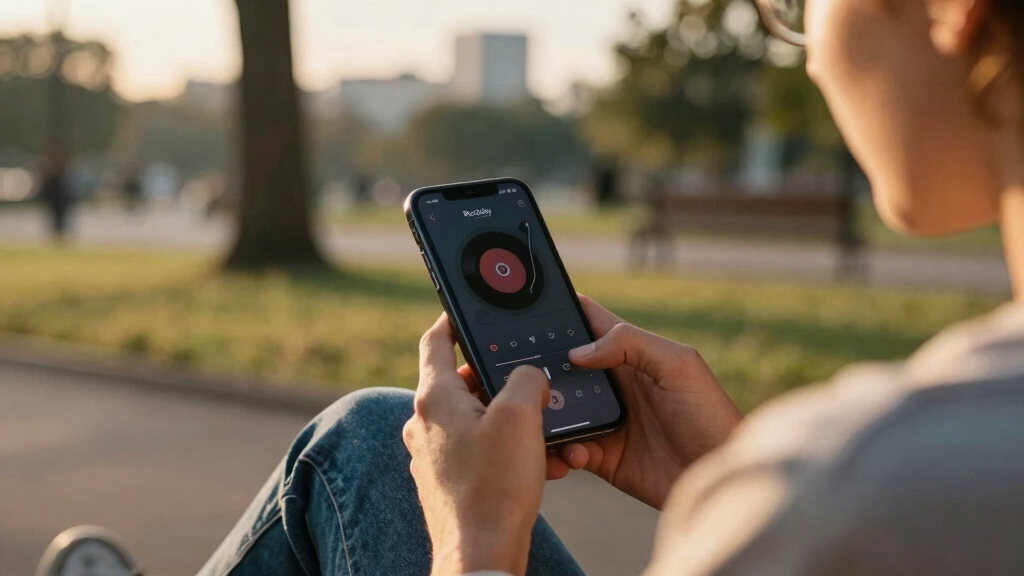
Rocksky, a new decentralized music platform on AT Protocol, offers music scrobbling and discovery without centralized servers. It aims to give users control over their listening data and foster open music sharing. The project is in early stages, with further development expected.
Rocksky, a decentralized music tracking and discovery platform built on AT Protocol, has been launched, offering a new approach to music scrobbling and social sharing without relying on centralized servers. This development is significant for users seeking more control over their listening data and for the growing ecosystem of decentralized social applications.
Rocksky is designed as an open-source project that leverages AT Protocol to enable peer-to-peer music tracking and discovery. The platform allows users to scrobble tracks from services like Spotify and Last.fm, and share listening activity within a decentralized network. The project’s repository indicates it is built primarily with TypeScript and Rust, emphasizing security and scalability.
The platform is currently in early development, with the initial release providing core scrobbling and discovery features. It aims to replace traditional centralized music platforms by giving users ownership of their listening data and fostering open music communities. The project is hosted on Tangled.org, with instructions available for self-hosting.
Why It Matters
This development matters because it represents a step toward decentralizing digital music ecosystems, potentially reducing dependence on large corporations that control user data and listening habits. It aligns with broader trends in Web3 and decentralized social media, offering an alternative model for music discovery and social interaction.
For users, it could mean more privacy, data ownership, and resilience against platform shutdowns or policy changes. For developers and the open-source community, it presents an opportunity to build interoperable, user-controlled music services.
Products Worth Considering

Trezor Safe 5 Crypto Hardware Wallet with Color Touchscreen, Black Graphite

Ledger Flex + Folio Crypto Hardware Wallet

Apple MacBook Pro 14.2-inch with M5 Pro, 15-core CPU, 16-core GPU, 48GB Memory, 1TB SSD, Silver
As an affiliate, we earn on qualifying purchases.
Background
Decentralized social and data-sharing protocols like AT Protocol are gaining traction as alternatives to traditional centralized platforms. Projects like Mastodon and activitypub-based apps have demonstrated the viability of peer-to-peer social networks. Rocksky extends this concept into the music domain, where data privacy and ownership are increasingly important. This launch follows a series of experimental projects aiming to decentralize various online services, reflecting a broader movement toward user sovereignty in digital spaces.
“Our goal is to empower users with control over their music listening data and create a decentralized, open ecosystem for discovery.”
— Rocksky developer
“Rocksky leverages AT Protocol to enable peer-to-peer music tracking, marking a significant step in decentralized social applications.”
— Tangled.org team
What Remains Unclear
It is not yet clear how widely adopted Rocksky will become or how it will integrate with existing music services and social platforms. The project is in early development, and user experience, scalability, and interoperability remain to be tested at scale.
What’s Next
Next steps include expanding core features, improving user interface, and encouraging community adoption. Developers plan to release updates to enhance compatibility with more music services and facilitate self-hosting. Monitoring user feedback and ecosystem growth will be key in assessing its long-term viability.
Key Questions
How does Rocksky differ from traditional music platforms?
Rocksky is built on AT Protocol, enabling decentralized music tracking and discovery without relying on centralized servers, giving users control over their data.
Can I use Rocksky with existing music streaming services?
Currently, the platform supports scrobbling from services like Spotify and Last.fm, but full integration depends on ongoing development and community contributions.
Is Rocksky available for public use now?
Yes, the project has been launched publicly and is accessible via its GitHub repository for self-hosting or testing, though it is still in early stages.
What are the privacy benefits of using Rocksky?
As a decentralized platform, Rocksky allows users to own and control their listening data, reducing reliance on centralized servers that may collect or sell user information.