
TL;DR
Donald Trump is employing obscure legal mechanisms to undertake significant modifications to Washington DC’s historic monuments and public spaces. These projects include building a triumphal arch and altering memorial sites, with legal challenges underway. The developments raise questions about the preservation of the city’s symbolic landscape.
Donald Trump is reportedly utilizing obscure legal provisions and regulatory processes to advance a series of major alterations to Washington DC’s historic landmarks and public spaces, despite legal challenges and public controversy. These efforts include plans for a towering triumphal arch near Arlington Cemetery and modifications to the Lincoln Memorial reflecting pools, signaling a significant shift in how the city’s landscape is shaped.
Over the past year, Trump’s administration has approved or initiated multiple projects that challenge the traditional design and symbolism of Washington DC. Notable among these is the proposed ‘Independence Arch,’ a 76-meter-high structure inspired by Roman triumphal arches, which would be built at the junction of the Potomac River and Arlington National Cemetery. The design, approved by a federal commission now led by Trump allies, aims to surpass the height of the Lincoln Memorial and alter the historic view corridors.
Additionally, other projects include changing the color of the Lincoln Memorial Reflecting Pools to ‘American flag blue,’ expanding the White House with a new ballroom, and renaming the Kennedy Center after Trump. These initiatives are being carried out through legal and regulatory channels that critics say bypass traditional public consultation and oversight processes. Legal challenges have been filed by preservationists and historians, arguing that these projects undermine the city’s symbolic and historical integrity.
Legal and Cultural Implications of Trump’s Landmark Changes
This series of projects represents a significant departure from Washington DC’s traditional landscape, which was carefully designed to embody American history and constitutional values. By using obscure legal tools, Trump’s administration is effectively reshaping the city’s monuments and public spaces, which could set a precedent for future alterations. These changes threaten to undermine the city’s role as a symbol of national unity and historical memory, raising concerns among preservationists, historians, and civic leaders about the long-term impact on the city’s identity.
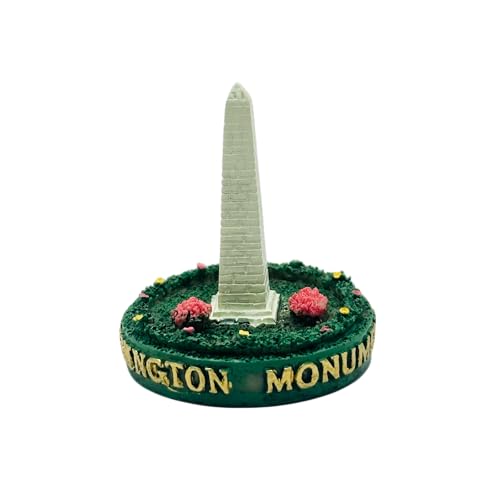
2" Tall Mini Replica – Polyresin Model | Hand-Painted Desktop Souvenir Collectible | Washington D.C. Landmark Figurine (Washington Monument)
Hand-Painted Miniature Landmark This detailed Mini Washington Monument replica is meticulously hand-painted, capturing the iconic look of the…
As an affiliate, we earn on qualifying purchases.
As an affiliate, we earn on qualifying purchases.
Historical Design Principles and Recent Developments in Washington DC
Washington DC’s layout was originally designed by Pierre Charles L’Enfant in 1792, emphasizing monumental symbolism and public space that reflects the nation’s founding principles. Landmark sites like the Capitol, White House, and Washington Monument are positioned along axes that symbolize unity and democracy. Over the decades, modifications have been made, but they generally respected these principles. Recent efforts by Trump’s team, however, have sought to introduce new structures and visual elements that challenge this tradition, often through regulatory and legal channels that bypass typical public review processes.

Outdoor Firefly Projector Lights with Blue Aurora LED – Perfect for Garden, Yard, and Patio Decor | Create Magical Starry Nights for Holidays & Events | Waterproof, Remote Control
DYNAMIC LASER & LED DISPLAY: Create a Magical Atmosphere for Every Occasion—Transform your space into an enchanting wonderland…
As an affiliate, we earn on qualifying purchases.
As an affiliate, we earn on qualifying purchases.
Legal and Public Response to Trump’s Landmark Projects
While several projects have received approval, legal challenges are ongoing, and it remains unclear how courts will rule on the legality of using obscure regulatory processes for these modifications. Public opinion is divided, with some supporting the changes as patriotic and others viewing them as damaging to the city’s historic fabric. The final scope and completion of these projects are still uncertain, pending legal and administrative decisions.

BESPORTBLE Vintage Triumphal Arch Model Metal Building Desktop Ornament Unique Triumphal Arch Decor for Home Table Decoration 2.36X1.57X2.36In Travel Souvenir
Distinctive Triumphal Arch Model: This vintage triumphal arch model features a detailed and artistic design that serves as…
As an affiliate, we earn on qualifying purchases.
As an affiliate, we earn on qualifying purchases.
Next Steps in Legal Battles and Project Implementations
Legal challenges are expected to proceed through courts, potentially delaying or halting some projects. Meanwhile, proponents continue to push for the projects’ completion, with further approvals possibly forthcoming from regulatory bodies aligned with Trump’s administration. Observers will watch for court rulings and public protests, which could influence the trajectory of these developments in the coming months.

Historic Marysville City Cemetery (Images of America)
As an affiliate, we earn on qualifying purchases.
As an affiliate, we earn on qualifying purchases.
Key Questions
What legal mechanisms is Trump using to push these projects?
Trump’s administration is utilizing lesser-known regulatory and administrative procedures, including approvals by commissions and agencies that can bypass traditional public consultation and congressional review processes.
Why is the proposed triumphal arch controversial?
Many critics argue that the arch’s imperial symbolism and its placement near Arlington Cemetery and the Lincoln Memorial undermine the city’s historic and constitutional symbolism, and that the project is driven by vanity rather than public interest.
Could these projects be halted or reversed?
Legal challenges could delay or stop some projects, especially if courts find that the use of obscure legal channels violates preservation laws or constitutional principles. Public opposition may also influence future decisions.
How does this compare to Washington’s traditional landscape?
Historically, Washington’s monuments and public spaces were designed to embody national ideals and constitutional principles. The recent projects challenge this tradition by introducing structures and modifications driven by individual preferences, often through controversial legal means.
Source: Google Trends