
TL;DR
A Thorsten Meyer AI guide says students can build a customized AI planner in two to three hours using an AI platform and calendar app. The guide identifies possible scheduling benefits, but provides no testing or measured evidence that AI planners improve productivity.
A new Thorsten Meyer AI guide says students can create a customized AI planner in two to three hours to organize assignments, deadlines and study plans, but the source provides no measured evidence that such tools increase productivity or improve academic performance.
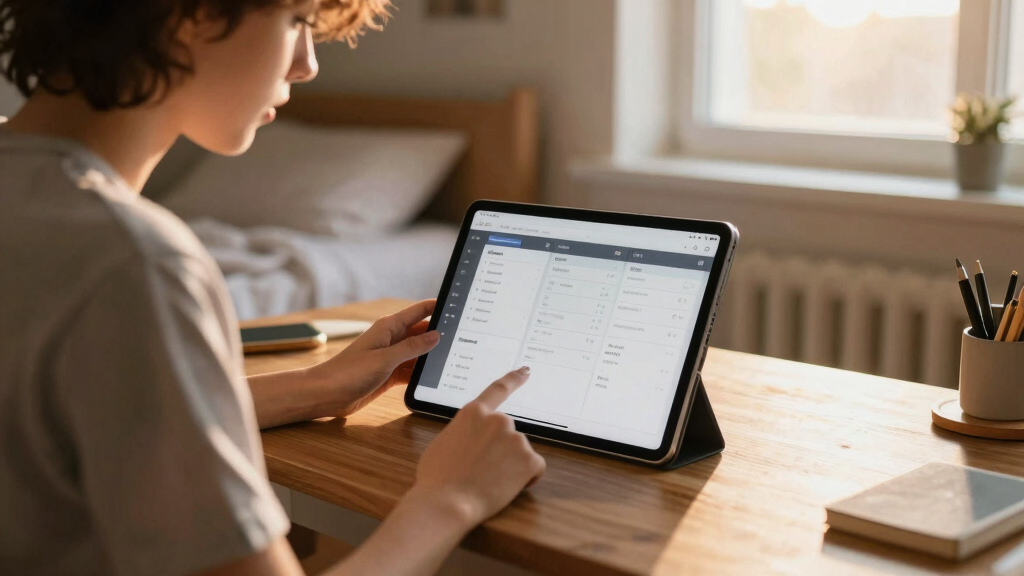
The guide recommends using a computer or tablet, an AI service such as Notion AI or ChatGPT, and a calendar application. Students are advised to gather their academic schedules, deadlines and recurring tasks before configuring the planner. The process is rated intermediate and assumes familiarity with accounts, web applications and software integrations.
According to the guide, AI can help generate study plans, organize tasks and personalize schedules around a student’s academic needs. Those functions could reduce the manual work involved in updating a planner, although the guide does not compare completion times, missed deadlines or other productivity measures before and after AI use.
The source also compares three products: an AI-powered student-success workbook, a book about AI strategies for educators and the SUNEE 2026-2027 paper planner. Only the workbook directly combines planning resources with AI prompts. The educator book is not a student scheduling tool, while the SUNEE product is a conventional weekly and monthly planner without AI features.
Automation May Reduce Planning Work
For students managing overlapping classes and deadlines, a planner that can reorganize tasks or draft a study schedule may make academic planning faster. Calendar integration could also place deadlines and reminders in one system rather than across several applications.
That potential benefit is different from a confirmed productivity gain. An AI-generated schedule may still contain incorrect dates, unrealistic workloads or incomplete instructions. Students remain responsible for checking outputs against official course information and completing the assigned work.
As an affiliate, we earn on qualifying purchases.
Three Products Serve Different Users
The guide names the AI-Powered Student Success Planning Workbook as the strongest option for career and technical education, alternative education and programs serving opportunity youth. Its prompts are intended to support individual learning plans and advising rather than everyday scheduling for a broad student audience.
The Power of AI for Educators is aimed at teachers and administrators seeking AI integration strategies. The SUNEE paper planner, covering July 2026 through June 2027, offers weekly and monthly pages, tabs, pockets and goal-setting sections. The source favors SUNEE for students seeking a straightforward physical planner, despite its lack of automation.
“This planner excels for specialized educational programs needing tailored success tools but isn’t ideal for everyday student scheduling.”
— Thorsten Meyer AI editorial verdict on the student-success workbook
As an affiliate, we earn on qualifying purchases.
Productivity Gains Remain Untested
It is not yet clear whether the proposed AI planner setup produces better academic outcomes, fewer missed deadlines or meaningful time savings. The source presents no student trial, survey, independent review data or before-and-after results.
The guide also does not provide detailed information about subscription costs, data retention or how student information may be handled by third-party AI platforms. The workbook reportedly has no customer ratings or reviews, leaving its quality and ease of use difficult to verify from the supplied material.
AI-powered calendar app for students
As an affiliate, we earn on qualifying purchases.
As an affiliate, we earn on qualifying purchases.
Students Must Test Real Workflows
The next step for students is to test a planner with a limited set of assignments before entering an entire academic schedule. Comparing missed deadlines, planning time and task completion over several weeks could show whether the system provides a practical personal benefit.
Students should also review school AI policies and each platform’s privacy terms before entering course materials or personal information. More reliable conclusions will require independent testing across different student groups and academic settings.
As an affiliate, we earn on qualifying purchases.
Key Questions
Can an AI student planner improve productivity?
It may reduce manual scheduling work and help organize deadlines, but the source provides no measured proof of higher productivity, better grades or improved task completion.
What tools are needed to build one?
The guide calls for a computer or tablet, internet access, an AI platform and a calendar application. It estimates setup will take two to three hours.
Which reviewed product includes AI planning features?
The AI-Powered Student Success Planning Workbook includes AI prompts and advising resources. It is designed mainly for specialized education programs, not general daily scheduling.
Is the SUNEE student planner AI-powered?
No. The SUNEE 2026-2027 planner is a physical weekly and monthly organizer. Its strengths are simplicity and portability, not automation.
What risks should students check?
Students should verify AI-generated dates and schedules, review school rules and examine privacy and data-retention terms before uploading academic or personal information.
Source: Thorsten Meyer AI