

Choosing the right first investment book comes down to one tradeoff: simplicity versus depth. Some books get you buying your first index fund within a weekend but leave you unprepared for market downturns; others build real financial literacy but demand weeks of patience. My best overall pick is The Simple Path to Wealth, because it balances actionable advice with a philosophy beginners can actually stick to. If you want the lowest possible barrier to entry, Investing for Beginners Made Simple breaks down ETFs and the stock market into true plain English. Readers who want one book to last a lifetime should look at The Only Investment Guide You’ll Ever Need. Keep reading for the full breakdown of all 14 titles and which one fits your goals.
Key Takeaways
- The books written by established investors (The Simple Path to Wealth, The Little Book of Common Sense Investing) consistently outperformed self-published titles on long-term usefulness, even when they were harder to skim.
- Two books in this lineup share the title ‘Investing for Absolute Beginners’ but serve completely different readers — one focuses on halal investing principles, the other is a general primer — so check the subtitle before buying.
- Step-by-step formula books (the ‘9 Steps’ real estate guide, the ‘eight proven strategies’ title) are great for momentum but risk oversimplifying risk management compared to the philosophy-first picks.
- Audience-specific titles earn their keep: the teen-focused book wastes pages for older readers, while Investing All-in-One For Dummies overwhelms true beginners with breadth.
- The best value pick, How to Invest $50-$5,000, solves a problem most beginner books ignore — what to do when you have almost no money to start.
| Investing for Absolute Beginners: The Complete Plain-English Guide to Growing Your Wealth Through Halal Investment Principles |  | Best for Values-Aligned Investing | Format: Paperback / Kindle | Focus: Halal investing for beginners | Topics Covered: Stocks, ETFs, long-term wealth strategy | VIEW LATEST PRICE | See Our Full Breakdown |
| Easy Real Estate Investing for Beginners: 9 Steps to Build Passive Income, Avoid Costly Mistakes, and Understand Property Value |  | Best for Real Estate Curious Beginners | Format: Paperback / Kindle | Focus: Real estate investing | Structure: 9-step beginner framework | VIEW LATEST PRICE | See Our Full Breakdown |
| Investing 101 for Teens and Young Adults: Start Investing Early, Build Lifelong Wealth, and Avoid Costly Mistakes |  | Best for Young Investors | Format: Paperback / Kindle | Target Audience: Teens and young adults | Focus: Early investing and lifelong wealth habits | VIEW LATEST PRICE | See Our Full Breakdown |
| Investing for Beginners Made Simple: A Step-by-Step Guide to the Stock Market, ETF Investing, and Building Wealth for Financial Freedom |  | Best Value Pick | Format: Paperback / Kindle | Focus: General beginner investing | Key Topics: Stock market, ETF investing, financial freedom | VIEW LATEST PRICE | See Our Full Breakdown |
| Stock Investing for Beginners: How to Buy Your First Stock and Grow Your Money |  | Best for Buying Your First Stock | Format: Paperback | Focus: First stock purchase | Key Topics: Buying shares, stock market basics, long-term growth | VIEW LATEST PRICE | See Our Full Breakdown |
| The Only Investment Guide You’ll Ever Need: Revised Edition |  | Best Classic Foundation | Format: Paperback | Edition: Revised edition | Topic Coverage: Personal finance and investing | VIEW LATEST PRICE | See Our Full Breakdown |
| The Little Book of Common Sense Investing |  | Best for Index Fund Philosophy | Format: Hardcover/paperback | Topic Coverage: Index fund investing | Experience Level: Beginner to experienced | VIEW LATEST PRICE | See Our Full Breakdown |
| How to Invest $50-$5,000: The Small Investor’s Step-by-Step Plan | 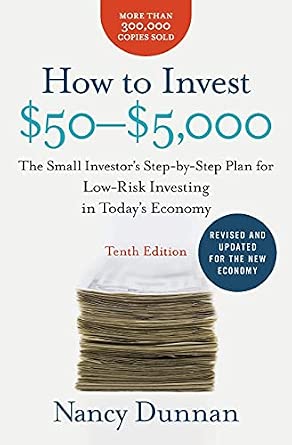 | Best for Small Budgets | Format: Paperback | Topic Coverage: Small-dollar, low-risk investing | Capital Range Addressed: $50 to $5,000 | VIEW LATEST PRICE | See Our Full Breakdown |
| Investing for Absolute Beginners: Everything You Need to Know About Investing to Get Started Today |  | Best for True Novices | Format: Paperback/eBook | Topic Coverage: Fundamental investing concepts | Experience Level: Absolute beginner | VIEW LATEST PRICE | See Our Full Breakdown |
| Investing 101: From Stocks and Bonds to ETFs and IPOs, an Essential Primer on Building a Profitful Portfolio |  | Best Vocabulary-to-Portfolio Bridge | Format: Paperback | Topic Coverage: Stocks, bonds, ETFs, IPOs, portfolio building | Experience Level: Beginner to intermediate | VIEW LATEST PRICE | See Our Full Breakdown |
| The Simple Path to Wealth: Your Road Map to Financial Independence and a Rich, Free Life |  | Best for Long-Term Wealth Mindset | Format: Kindle edition available | Primary Focus: Financial independence and wealth building | Investing Approach: Simple, long-term, index-oriented | VIEW LATEST PRICE | See Our Full Breakdown |
| Stock Market Investing for Beginners: Eight Proven Strategies to Reduce Risk, Invest with Confidence, and Build Wealth |  | Best Strategy-Focused Beginner Guide | Format: Paperback / digital | Core Framework: Eight proven investing strategies | Primary Focus: Risk reduction, confidence, wealth building | VIEW LATEST PRICE | See Our Full Breakdown |
| Investing All-in-One For Dummies | 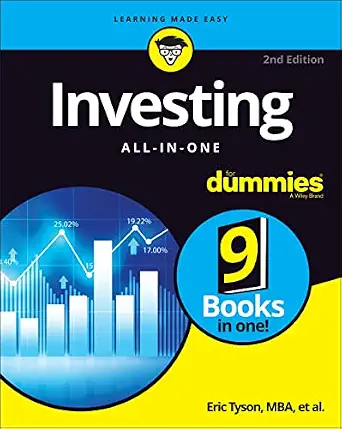 | Best Comprehensive Reference | Format: Paperback, For Dummies series | Coverage: Stocks, bonds, ETFs, real estate, retirement planning, market analysis | Audience Level: Beginner to experienced | VIEW LATEST PRICE | See Our Full Breakdown |
| A Beginner’s Guide to the Stock Market: Everything You Need to Start Making Money Today |  | Best Quick-Start Primer | Format: Paperback | Primary Focus: Stock market fundamentals | Audience Level: Absolute beginner | VIEW LATEST PRICE | See Our Full Breakdown |
| investment books for beginner | Format | Experience Level | Primary Focus |
|---|---|---|---|
| Investing for Absolute Beginne | Paperback / Kindle | Absolute beginner | — |
| Easy Real Estate Investing for | Paperback / Kindle | Beginner | — |
| Investing 101 for Teens and Yo | Paperback / Kindle | Complete beginner | — |
| Investing for Beginners Made S | Paperback / Kindle | Beginner | — |
| Stock Investing for Beginners: | Paperback | Complete beginner | — |
| The Only Investment Guide You’ | Paperback | Beginner to experienced | Broad wealth-building strategy |
| The Little Book of Common Sens | Hardcover/paperback | Beginner to experienced | Passive, long-term investing philosophy |
| How to Invest $50-$5,000: The | Paperback | Absolute beginner | Step-by-step execution plan |
| Investing for Absolute Beginne | Paperback/eBook | Absolute beginner | Concepts and vocabulary |
| Investing 101: From Stocks and | Paperback | Beginner to intermediate | Investment vehicles and portfolio construction |
| The Simple Path to Wealth: You | Kindle edition available | — | Financial independence and wealth building |
| Stock Market Investing for Beg | Paperback / digital | — | Risk reduction, confidence, wealth building |
| Investing All-in-One For Dummi | Paperback, For Dummies series | — | — |
| A Beginner’s Guide to the Stoc | Paperback | — | Stock market fundamentals |
More Details on Our Top Picks
Investing for Absolute Beginners: The Complete Plain-English Guide to Growing Your Wealth Through Halal Investment Principles
What sets this pick apart from a general primer like Investing 101: From Stocks and Bonds to ETFs and IPOs is its halal investment filter — it teaches the same stock and ETF fundamentals, but through a lens that screens out non-compliant assets. For readers whose faith constraints make mainstream beginner books feel incomplete, that framing alone justifies its place here. The plain-English style works well for true first-timers, and the long-term wealth orientation keeps things grounded rather than speculative.
The tradeoff is depth. Compared with denser guides in this lineup, this book stays at surface level, with no case studies and little on advanced portfolio construction. Readers who outgrow it quickly will need a second book — something like The Little Book of Common Sense Investing — to go further.
Pros:- Clear, plain-English explanations suited to first-time investors
- Covers halal screening principles most beginner books ignore entirely
- Balanced coverage of stocks, ETFs, and long-term wealth strategy
- Responsible, confidence-building tone without hype
Cons:- Lacks detailed investment strategies beyond the basics
- No case studies or worked examples to anchor concepts
- Thin coverage of advanced topics readers eventually need
Best for: Muslim readers who want standard stock and ETF education screened through Sharia-compliant principles from day one
Not ideal for: Readers who want deep strategy, worked examples, or advanced topics — this stays firmly in primer territory
- Format:Paperback / Kindle
- Focus:Halal investing for beginners
- Topics Covered:Stocks, ETFs, long-term wealth strategy
- Experience Level:Absolute beginner
- Screening Framework:Sharia-compliant asset selection
- Advanced Content:Minimal
- Case Studies:None
Our verdict“The right first book if your investing must align with halal principles, but plan on graduating to a deeper title within months.”
Easy Real Estate Investing for Beginners: 9 Steps to Build Passive Income, Avoid Costly Mistakes, and Understand Property Value
Every other title in this roundup teaches paper assets — stocks, ETFs, index funds. This one carves out a different lane: tangible property investing, broken into a 9-step framework that starts from zero experience and zero capital. For beginners who are more excited by rental income than brokerage accounts, it fills a gap that even well-rounded picks like Investing All-in-One For Dummies only gesture at. The emphasis on avoiding costly mistakes and reading property value is practical where many real estate books drift into motivational fluff.
Two honest caveats: because it’s real estate-only, it can’t serve as your sole investing foundation — pair it with a general book like Investing 101 for balance. And it’s a newer title with limited review history, so you’re buying on premise rather than proven track record.
Pros:- Clear step-by-step structure tailored to total novices
- Centered on building passive income, not theory
- Strong emphasis on avoiding expensive beginner mistakes
- Accessible even without starting capital
Cons:- Covers real estate only, so it can’t stand alone as an investing education
- Limited reader reviews and track record compared with established titles
Best for: Beginners drawn to rental income and property who want a structured, step-by-step entry point without prior capital
Not ideal for: Readers who want a complete investing foundation — this skips stocks and ETFs entirely
- Format:Paperback / Kindle
- Focus:Real estate investing
- Structure:9-step beginner framework
- Key Topics:Passive income, property valuation, mistake avoidance
- Starting Capital Required:None to start learning
- Experience Level:Beginner
- Asset Classes Covered:Real estate only
Our verdict“A focused supplement for property-curious beginners — just don’t expect it to replace a general investing guide.”
Investing 101 for Teens and Young Adults: Start Investing Early, Build Lifelong Wealth, and Avoid Costly Mistakes
The core argument of this book — that time in the market beats timing the market — is aimed squarely at readers with decades of runway. Where a generalist pick like The Simple Path to Wealth assumes an adult managing paychecks and retirement accounts, this one speaks to teens and young adults building habits from scratch. That framing matters: a 17-year-old doesn’t need tax optimization chapters, they need to understand why starting early changes everything and how to sidestep the traps that drain young accounts.
The flip side of that youth focus is thinness. Compared with meatier options like Investing All-in-One For Dummies, the strategy content is basic, and older readers may find the tone pitched too young. It’s a first book, not a reference — a launching pad before something like The Little Book of Common Sense Investing later on.
Pros:- Age-appropriate language and examples for teens and young adults
- Leans hard into the compounding advantage of starting early
- Practical guidance on avoiding common early-investor mistakes
- Builds lifelong financial habits, not just stock tips
Cons:- Investment strategy content stays shallow
- Limited author and edition information makes credibility hard to verify
Best for: Teens and college students opening their first account who want habit-building advice matched to their age
Not ideal for: Readers over ~30 or anyone past the basics — the youth-oriented framing and light strategy won’t hold up
- Format:Paperback / Kindle
- Target Audience:Teens and young adults
- Focus:Early investing and lifelong wealth habits
- Key Topics:Investing fundamentals, compounding, mistake avoidance
- Experience Level:Complete beginner
- Strategy Depth:Introductory
- Tone:Youth-oriented and habit-focused
Our verdict“Buy this for the teenager in your life opening a first brokerage account — but an adult beginner should pick a more mature guide.”
Investing for Beginners Made Simple: A Step-by-Step Guide to the Stock Market, ETF Investing, and Building Wealth for Financial Freedom
This title competes directly with How to Invest $50-$5,000 for the small-budget beginner, and its differentiator is breadth on a budget: stocks, ETFs, and a financial-freedom roadmap in one short, affordable read. Where How to Invest $50-$5,000 goes narrower and deeper on low-risk small-dollar plans, this one spreads wider, making it a better first purchase for someone who wants the full lay of the land before committing to a strategy. The step-by-step structure turns abstract concepts into an actual to-do list, which is what most hesitant beginners need.
The cost of that breadth is substance. It won’t teach you advanced strategy or how to read shifting market conditions — that’s where The Only Investment Guide You’ll Ever Need pulls ahead for readers ready to think harder. And compared with established titles with years of reader feedback, this newer release arrives with less proof behind it.
Pros:- Genuinely beginner-friendly explanations without jargon
- Covers stocks, ETFs, and wealth-building in one affordable package
- Explicitly designed for readers with limited starting money
- Actionable steps rather than abstract theory
Cons:- Little on advanced strategies or portfolio refinement
- No guidance on reading current market conditions
- New release with limited established reader feedback
Best for: Small-budget beginners who want broad, actionable coverage of stocks and ETFs in one inexpensive starting book
Not ideal for: Readers past the basics or those wanting market-analysis depth — this is a first-step book only
- Format:Paperback / Kindle
- Focus:General beginner investing
- Key Topics:Stock market, ETF investing, financial freedom
- Structure:Step-by-step guide
- Starting Budget:Small / limited funds
- Experience Level:Beginner
- Advanced Content:Minimal
Our verdict“A low-risk first purchase that covers the most ground per dollar, best paired with a deeper follow-up title.”
Stock Investing for Beginners: How to Buy Your First Stock and Grow Your Money
Most beginner books explain investing; this one walks you through actually placing your first trade. That distinction earns it a spot: compared with A Beginner’s Guide to the Stock Market, which is broader and slightly more analytical, this book is narrower and more operational — opening an account, choosing a first share, and holding for long-term growth. For a reader who has read the theory and still frozen at the checkout screen, that hand-holding is the missing piece.
The narrow focus cuts both ways. There’s almost nothing on ETFs, bonds, or diversification, so as a sole education it lags well behind The Simple Path to Wealth or the generalist titles here. Think of it as a companion book: pair it with a broad primer, use it for the mechanics of that first purchase, then move on. The thin author and publication details also make it harder to vet than marquee names in this lineup.
Pros:- Extremely easy to follow for someone brand new to stocks
- Concrete practical steps for making a first purchase
- Focused on long-term growth rather than trading hype
- Serves as effective motivation to move from reading to acting
Cons:- Too narrow to serve as a standalone investing education
- Minimal coverage of diversification and non-stock assets
- Limited author and publication information available
Best for: First-time buyers who understand the basics conceptually but want concrete, step-by-step help executing their first stock purchase
Not ideal for: Readers wanting a complete portfolio education — ETFs, bonds, and diversification get little attention
- Format:Paperback
- Focus:First stock purchase
- Key Topics:Buying shares, stock market basics, long-term growth
- Asset Classes Covered:Stocks only
- Experience Level:Complete beginner
- Approach:Practical and operational
- Advanced Content:Minimal
Our verdict“Buy this alongside a broader guide — it’s the book that gets you from knowing about stocks to actually owning one.”
The Only Investment Guide You’ll Ever Need: Revised Edition
Among the beginner books in this roundup, The Only Investment Guide You’ll Ever Need stands out for sheer breadth — it wraps personal finance and investing into a single volume, unlike narrower picks such as How to Invest $50-$5,000, which zeroes in on small-dollar strategies. This option makes the most sense for readers who want one book that covers saving, insurance, taxes, and portfolio basics before they buy anything else. The revised edition keeps the material current, which matters because many classic finance guides read as dated. The tradeoff: it stays at the level of general principles rather than actionable financial planning, so readers wanting step-by-step execution will need a follow-up book.
Pros:- Wide-ranging coverage spanning personal finance and investing in one volume
- Revised edition reflects current financial strategies and market conditions
- Accessible tone works for both beginners and intermediate investors
- Long track record as a trusted, battle-tested guide
Cons:- General advice orientation — light on detailed, personalized financial planning
- No supplementary tools, worksheets, or online resources included
Best for: First-time investors who want a single, broad primer covering personal finance and investing together
Not ideal for: Readers seeking a concrete, step-by-step action plan — this book favors principles over execution details
- Format:Paperback
- Edition:Revised edition
- Topic Coverage:Personal finance and investing
- Experience Level:Beginner to experienced
- Primary Focus:Broad wealth-building strategy
- Supplemental Materials:None included
Our verdict“Buy this if you want one durable, big-picture finance book to build your foundation on before specializing.”
The Little Book of Common Sense Investing
Where Investing 101 surveys every vehicle from stocks to IPOs, The Little Book of Common Sense Investing argues passionately for a single approach: low-cost index fund investing. That narrowness is its strength — a beginner who finishes this book understands why most active strategies fail, a perspective most roundup entries never address. Written by Vanguard founder John Bogle’s philosophy tradition, it pairs well as the ‘second book’ after a broad primer like The Only Investment Guide You’ll Ever Need. The drawback is real, though: readers interested in picking individual stocks or exploring real estate will find nothing here for them, and the repetitive single-thesis structure can feel one-note over 300 pages.
Pros:- Clear, persuasive case for low-cost index investing backed by data
- Emphasizes long-term discipline over speculation
- Short chapters make the argument easy to absorb
- Relevant for both beginners and experienced investors questioning their strategy
Cons:- One-thesis book — repetitive if you’re already sold on index funds
- No coverage of individual stocks, real estate, or alternative investments
Best for: Beginners who want to adopt a passive, low-cost index fund strategy and skip stock-picking entirely
Not ideal for: Readers who want to learn active investing, stock selection, or alternative assets — the book dismisses those approaches
- Format:Hardcover/paperback
- Topic Coverage:Index fund investing
- Experience Level:Beginner to experienced
- Primary Focus:Passive, long-term investing philosophy
- Structure:Short thematic chapters
- Supplemental Materials:None included
Our verdict“This is the book for beginners who want conviction in a simple, passive strategy rather than a survey of every option.”
How to Invest $50-$5,000: The Small Investor’s Step-by-Step Plan
Most beginner investing books quietly assume you have meaningful capital to deploy. How to Invest $50-$5,000 is the exception, and that alone carves out a distinct role in this lineup. Compared with Investing for Absolute Beginners, which explains concepts but leaves execution vague, this book delivers an actual step-by-step plan tailored to small sums and low-risk vehicles. That makes it a strong first purchase for students, early-career workers, or anyone starting with modest savings. The tradeoff cuts both ways: the low-risk emphasis means growth-oriented readers may find the strategies too conservative, and experienced investors will outgrow it quickly — this is a launching pad, not a reference you’ll return to for years.
Pros:- Explicitly designed for small-dollar investing
- Genuine step-by-step guidance rather than abstract theory
- Low-risk focus suits anxious or risk-averse first-timers
- Tailored to current economic conditions
Cons:- Content feels basic for anyone with prior investing knowledge
- Conservative approach may under-serve readers with higher risk tolerance
Best for: First-time investors with $50-$5,000 to start with who want a low-risk, actionable plan
Not ideal for: Readers with larger portfolios or growth-oriented goals — the conservative strategies will feel limiting
- Format:Paperback
- Topic Coverage:Small-dollar, low-risk investing
- Capital Range Addressed:$50 to $5,000
- Experience Level:Absolute beginner
- Primary Focus:Step-by-step execution plan
- Supplemental Materials:None included
Our verdict“If your starting capital is small and your risk appetite is lower, this is the most practical entry point in the roundup.”
Investing for Absolute Beginners: Everything You Need to Know About Investing to Get Started Today
This is the most zero-assumptions entry in the batch. While Investing 101 assumes you can already tell a stock from a bond, Investing for Absolute Beginners starts from the ground floor, defining terms other books gloss over. That makes it the right starting point for readers who feel intimidated even by ‘beginner’ books, or who want a quick weekend read before tackling denser titles like The Little Book of Common Sense Investing. The cost of that accessibility is depth: advanced strategies are entirely absent, and there’s no interactive or multimedia content to reinforce the material. Think of it as on-ramp reading — excellent for building confidence and vocabulary, but something you’ll replace within months of actually investing.
Pros:- Plain-English explanations assume zero prior knowledge
- Covers all the fundamental concepts a novice needs
- Quick, confidence-building read for hesitant beginners
- Designed specifically for absolute beginners, not general audiences
Cons:- No advanced strategies — content ceiling is very low
- No interactive or multimedia elements to aid learning
Best for: Complete novices who want plain-English explanations of investing vocabulary and concepts before investing a dollar
Not ideal for: Anyone past the vocabulary stage — the content is too elementary and lacks strategy depth
- Format:Paperback/eBook
- Topic Coverage:Fundamental investing concepts
- Experience Level:Absolute beginner
- Primary Focus:Concepts and vocabulary
- Reading Commitment:Short introductory read
- Supplemental Materials:None included
Our verdict“Choose this only if other beginner books still feel over your head; everyone else should start one rung up.”
Investing 101: From Stocks and Bonds to ETFs and IPOs, an Essential Primer on Building a Profitful Portfolio
Investing 101 occupies the middle ground between Investing for Absolute Beginners (pure vocabulary) and The Only Investment Guide You’ll Ever Need (broad personal finance). It’s the pick for readers who understand the basics and now want a structured tour of every major investment vehicle — stocks, bonds, ETFs, IPOs — plus how to combine them into a portfolio. That encyclopedic framing is genuinely useful for choosing what to actually buy. The tradeoffs: it doesn’t chase recent market trends, so readers wanting current commentary will need supplementary sources, and it lacks the passionate, opinionated guidance that makes The Little Book of Common Sense Investing so decisive. This is a reference-style primer, not a philosophy book.
Pros:- Covers the full range of vehicles: stocks, bonds, ETFs, and IPOs
- Clear explanations make complex concepts approachable
- Portfolio-construction focus turns knowledge into action
- Useful as a longer-term reference, not just one read
Cons:- No coverage of recent market trends or current events
- Limited reader reviews make quality harder to verify than established titles
Best for: Beginners ready to move past definitions and learn how different assets fit into a balanced portfolio
Not ideal for: Readers wanting current market analysis or a strong opinionated strategy — this is neutral and timeless by design
- Format:Paperback
- Topic Coverage:Stocks, bonds, ETFs, IPOs, portfolio building
- Experience Level:Beginner to intermediate
- Primary Focus:Investment vehicles and portfolio construction
- Style:Reference-style primer
- Supplemental Materials:None included
Our verdict“Pick this when you know the vocabulary and want a structured map of what to actually invest in.”
The Simple Path to Wealth: Your Road Map to Financial Independence and a Rich, Free Life
Most beginner investing books teach mechanics — how to buy an ETF, what a P/E ratio means. The Simple Path to Wealth instead builds the philosophy of financial independence first, then layers simple investing tactics on top. Compared with A Beginner’s Guide to the Stock Market, which jumps quickly into stock-picking mechanics, this book argues you mostly shouldn’t pick stocks at all, and that message can save new investors from early, expensive mistakes. The tradeoff is real, though: readers who want step-by-step instructions for opening a brokerage account or placing a first trade will find it thin on operational detail. The writing is conversational and accessible to complete beginners, and its focus on F-you money — savings as freedom — gives it staying power beyond pure finance. This pick makes the most sense for readers who want a lifestyle framework, not just a portfolio recipe.
Pros:- Clear, practical advice centered on index investing and low maintenance
- Highly accessible writing style for readers with zero finance background
- Strong long-term wealth-building and financial independence framework
- Memorable mindset advice that outlasts market trends
Cons:- No tools, worksheets, or supplementary resources for hands-on learners
- Light on concrete step-by-step execution compared to tactical guides
Best for: Readers pursuing financial independence who want a simple, low-effort investing philosophy they can follow for decades
Not ideal for: Hands-on learners who want explicit step-by-step trading instructions or advanced strategy coverage
- Format:Kindle edition available
- Primary Focus:Financial independence and wealth building
- Investing Approach:Simple, long-term, index-oriented
- Audience Level:Beginner
- Core Topics:Money management, F-you money, VTSAX-style index investing
- Tone:Conversational, blog-derived essays
Our verdict“Choose this if you want a durable investing philosophy for financial independence rather than a technical how-to manual.”
Stock Market Investing for Beginners: Eight Proven Strategies to Reduce Risk, Invest with Confidence, and Build Wealth
Where The Simple Path to Wealth preaches a mostly passive approach, this book takes the opposite bet: that beginners benefit from learning eight distinct, named strategies before putting money to work. That structure is its biggest advantage over looser primers like A Beginner’s Guide to the Stock Market — each chapter gives the reader a repeatable framework, and the emphasis on risk reduction addresses the single biggest reason new investors quit early. The tradeoff is breadth over depth: eight strategies in one short book means none get exhaustive treatment, and readers who prefer one deeply defended approach — the way The Little Book of Common Sense Investing champions index funds — may find the multi-strategy menu overwhelming rather than clarifying. Still, this option stands out for beginners who want a menu of tactics to adapt to their own risk tolerance instead of a single doctrine.
Pros:- Eight distinct, repeatable strategies give beginners a clear framework
- Strong emphasis on risk reduction and confidence building
- Goal-oriented framing around lifelong financial independence
- Strategy variety suits different risk appetites
Cons:- Eight strategies in one book means limited depth on each
- Sparse detail on supplementary resources and content depth
Best for: New investors who want a structured set of multiple strategies to compare and match to their own risk tolerance
Not ideal for: Readers seeking one definitive, deeply argued investing philosophy or advanced options-level strategy
- Format:Paperback / digital
- Core Framework:Eight proven investing strategies
- Primary Focus:Risk reduction, confidence, wealth building
- Audience Level:Beginner
- Asset Focus:Stock market
- Structure:Strategy-by-strategy chapters
Our verdict“Pick this if you want a strategy toolkit to choose from rather than a single investing doctrine handed to you.”
Investing All-in-One For Dummies
This is the encyclopedia option in the lineup. Where the other picks here each take a stance — passive simplicity, or eight active strategies — Investing All-in-One For Dummies covers stocks, bonds, ETFs, real estate, retirement accounts, and market analysis under one roof, making it the natural next step after a slim primer like Stock Market Investing for Beginners stops at equities. The breadth is genuinely useful: a reader unsure whether stocks, funds, or property fits their situation can survey every option before committing. The cost of that coverage is size and pace — this is a reference to consult, not a weekend read, and beginners after momentum may stall before finishing. Compared with The Simple Path to Wealth, it sacrifices narrative drive for completeness. This model is better suited to readers who treat learning as an ongoing project and want a shelf resource they return to for years.
Pros:- Covers virtually every investing topic in one volume
- Useful well beyond the beginner stage as an ongoing reference
- Trusted For Dummies format with practical tips throughout
- Lets readers compare asset classes before committing money
Cons:- Long and dense — not a fast motivational read
- Broad coverage means less depth per topic than specialized books
Best for: Beginners who want a single durable reference covering all asset classes and who don’t mind a long, structured read
Not ideal for: Readers wanting a quick, motivational first book — the sheer scope can stall momentum
- Format:Paperback, For Dummies series
- Coverage:Stocks, bonds, ETFs, real estate, retirement planning, market analysis
- Audience Level:Beginner to experienced
- Structure:Multi-book compendium of themed minibooks
- Best Use:Reference and ongoing learning
- Length:Long-form, several hundred pages
Our verdict“Buy this as your one-stop desktop reference if you’d rather own the full map than a short guided tour.”
A Beginner’s Guide to the Stock Market: Everything You Need to Start Making Money Today
Of the four, this is the shortest runway to action. A Beginner’s Guide to the Stock Market zeroes in on core concepts — what stocks are, how trades work, how to place a first order — with a promise of getting started today. Compared with Investing All-in-One For Dummies, it trades away breadth entirely: no bonds, no real estate, no retirement-account deep dives. That narrowness is precisely why it works for the right reader, the same way a runway works — short, clear, forward-facing. The ‘start making money today’ framing is a double-edged sword, though; it can encourage rushed decisions, and readers who want risk management alongside enthusiasm will get more from Stock Market Investing for Beginners, which builds confidence through explicit risk-reduction strategies. This pick makes the most sense as a first book — the one that demystifies jargon fast before moving on to something meatier.
Pros:- Clear, plain-language explanations of stock market basics
- Short and action-oriented — fast confidence builder for true novices
- Practical tips oriented toward actually getting started
- Low intimidation factor compared to larger guides
Cons:- Little coverage of advanced strategies or risk management
- ‘Make money today’ framing may encourage rushed decisions
Best for: Complete novices who want a short, jargon-free crash course that gets them comfortable enough to place a first trade
Not ideal for: Readers beyond the basics — there’s little on advanced strategy or risk management depth
- Format:Paperback
- Primary Focus:Stock market fundamentals
- Audience Level:Absolute beginner
- Structure:Short, quick-start primer
- Asset Focus:Stocks only
- Positioning:Fast onboarding before deeper study
Our verdict“Start here if you want the fastest, least intimidating path from ‘what is a stock’ to your first trade — then graduate to a deeper guide.”

How We Picked
I judged each book against what a true beginner actually needs: clarity of language (no unexplained jargon), actionability (can you do something with the information within a week of reading?), accuracy and risk coverage (does it explain losses, fees, and market downturns, not just returns?), and durability (will the advice still hold in ten years, or does it lean on trends?). I also weighed how well each book matches its stated audience — a book aimed at teens was held to a different standard than an all-in-one reference.
Ranking favors books that balance depth with readability over books that merely sound easy. Where two titles cover similar ground, I ranked the one with stronger credibility, better structure, or a clearer reader fit higher. Books were also compared directly against each other, so a mid-ranked title isn’t bad — it simply lost to a competitor that serves the same reader better.
| investment books for beginner | Experience Level |
|---|---|
| Investing for Absolute Beginne | Absolute beginner |
| Easy Real Estate Investing for | Beginner |
| Investing 101 for Teens and Yo | Complete beginner |
| Investing for Beginners Made S | Beginner |
| Stock Investing for Beginners: | Complete beginner |
| The Only Investment Guide You’ | Beginner to experienced |
| The Little Book of Common Sens | Beginner to experienced |
| How to Invest $50-$5,000: The | Absolute beginner |
| Investing for Absolute Beginne | Absolute beginner |
| Investing 101: From Stocks and | Beginner to intermediate |
| The Simple Path to Wealth: You | — |
| Stock Market Investing for Beg | — |
| Investing All-in-One For Dummi | — |
| A Beginner’s Guide to the Stoc | — |
Factors to Consider When Choosing Investment Books For Beginners
Before you buy any book on this list, spend a minute matching the book to your actual situation. The most common mistake beginners make isn’t picking a bad book — it’s picking a good book aimed at someone else.
Match the Book to Your Starting Capital
A book about building a diversified portfolio assumes you have money to deploy, which is why titles like How to Invest $50-$5,000 exist as a distinct category. If you’re starting with a few hundred dollars, strategy-heavy books can create anxiety without offering a workable path forward. Conversely, if you have a meaningful sum sitting idle, a book that spends ten chapters on saving pocket change will waste your time. Be honest about your number before you pick. Books that ignore small-dollar realities quietly assume brokerage minimums and account types that may not apply to you yet.
Know Your Asset Class Interest Before Buying
General stock market primers and real estate guides are not interchangeable, even though both get shelved under ‘investing.’ If you specifically want passive income through property, a broad index-fund book will frustrate you, and vice versa. Many beginners buy a general book hoping it will reveal which asset class suits them, and end up with shallow coverage of everything. A better approach: pick one general primer first, then a specialized book once you know where your interest lies. Also check whether a book’s asset focus matches your country’s tax and account structures — several of these titles assume US-based vehicles like Roth IRAs.
Beware the Motivation-Style Formula Book
Books with titles promising ‘proven strategies’ or numbered steps excel at momentum but often underplay risk, taxes, and the boring middle years of investing. That’s not a reason to avoid them — motivation carries beginners past the hardest part, which is starting. But a formula book works best as your second book, layered on top of one that teaches fundamentals. If a book promises returns without discussing what happens when markets fall by 30%, treat its confidence as a marketing choice rather than expertise. The titles on this list that survived decades of market cycles earned their reputations by preparing readers for bad years, not just good ones.
Author Credibility Matters More Than Reviews
The publishing barrier for investment books is nearly zero, which means Amazon review counts tell you little about quality. Look for authors with a verifiable track record — fund managers, economists, or writers with decades of documented commentary. Self-published guides can still be excellent, especially for niche needs like halal investing, but they deserve extra scrutiny. Check whether the author’s advice benefits them somehow, such as steering you toward a paid course or platform. A credible beginner author’s incentive should be teaching you to avoid needing them again.
Edition and Publication Date
Investment fundamentals change slowly, but the mechanics around them — apps, fee structures, fractional shares, interest rates — change fast. An older book with a recently revised edition usually gives you timeless principles with updated examples, which is the best of both worlds. Classic titles like The Only Investment Guide You’ll Ever Need have been revised repeatedly for exactly this reason. Avoid books more than a decade old that haven’t been touched, since even good advice becomes confusing when it references brokerage practices that no longer exist. The publication date is usually printed near the copyright page — thirty seconds of checking saves you a misleading read.
One Book Is Almost Never Enough
Every book on this list has a blind spot, usually the author’s own investing philosophy presented as settled fact. Index-fund evangelists understate active strategies; real estate authors undersell liquidity risk; strategy books skip behavioral finance. The strongest beginner outcome comes from reading two books with different philosophies and noticing where they agree — that overlap is usually the real consensus. If your budget only allows one book, buy the one whose weaknesses you can most easily tolerate. Planning for a second book from the start also removes the pressure to find a ‘perfect’ single title, which doesn’t exist.
Frequently Asked Questions
Should I read a general investing book or one focused specifically on stocks?
Start general if you have zero context, because stock-specific books assume you already understand why you’re investing at all. A general primer explains the full menu — stocks, bonds, ETFs, real estate — so you can make an informed choice rather than defaulting to whatever the first book you read covered. That said, if you already know you want to buy individual stocks, a general book will feel like a detour. A reasonable compromise: read one broad title like Investing 101 or The Simple Path to Wealth, then a stock-specific book immediately after. The second book lands much better once the vocabulary is in place.
Are the classic investment books too outdated for a 2026 beginner?
Mostly no, and the fear of outdated classics costs beginners more than the outdated content itself. The core ideas in titles like The Little Book of Common Sense Investing — low fees, diversification, avoiding market timing — have not changed and will not change. What does age poorly is the mechanical detail: specific broker names, fee examples, and references to how you open an account. If a classic has a revised edition, buy that one, since publishers update exactly those stale details. Just skim past any chapter that explains how to mail in a check.
Is a book still worth buying when free investing content is everywhere online?
Yes, for one specific reason: books impose structure that free content deliberately avoids. Online articles and videos are optimized for engagement, which means they jump between topics and rarely build knowledge sequentially. A well-edited book forces the author to construct a logical path from ‘what is a stock’ to ‘here is a portfolio you could actually build.’ Free content is excellent for answering specific questions once you have the foundation, so the two work together rather than competing. If budget is the blocker, the library remains a perfectly good way to read any book on this list.
I only have $100 to invest — will any of these books actually help me?
Most will not, which is exactly why How to Invest $50-$5,000 earned a spot in this lineup. The majority of beginner books quietly assume you’ll fund an account with thousands, and their portfolio advice collapses when you’re allocating a hundred dollars across positions. Small-capital books focus on what matters at that level: low- or no-minimum brokerages, fractional shares, fee avoidance, and building the saving habit before the investing habit. Read one of those first, then graduate to a portfolio-construction book as your balance grows. Starting small is an advantage — your early mistakes are cheap ones.
Which single book should I buy if I refuse to read more than one?
The Simple Path to Wealth is my answer for most people, because it covers philosophy, mechanics, and behavioral traps in one readable package and stays useful for years after the first read. If you want something shorter and more mechanical, Investing for Beginners Made Simple gets you acting faster but will need replacing sooner. If you want a reference you’ll consult for a decade, the revised Only Investment Guide You’ll Ever Need ages better than almost anything else. Just accept that any single-book choice trades depth somewhere — pick the book whose missing piece bothers you least.
Conclusion
If you want the short version: The Simple Path to Wealth is my best overall pick for beginners, balancing actionable advice with a durable investing philosophy. For best value, How to Invest $50-$5,000 solves the small-starter problem nobody else addresses, and used copies of The Little Book of Common Sense Investing deliver the best cost-per-lesson ratio in the category. The best premium option is Investing All-in-One For Dummies — not the easiest read, but the most complete reference for someone who wants one thick book instead of three thin ones. True beginners who feel intimidated should start with Investing for Beginners Made Simple, while teens and young adults have a purpose-built option in Investing 101 for Teens and Young Adults. For specific needs: Easy Real Estate Investing for Beginners for property-focused readers, the halal-principles Investing for Absolute Beginners for faith-based investors, and Stock Investing for Beginners for anyone set on buying individual stocks. Whatever you choose, the best book is the one you actually finish — pick the one that matches your money, your patience, and your goal, and start reading.