
For beginner investors, The Little Book of Common Sense Investing is my best overall pick for its clear case for low-cost, long-term index investing. How to Invest in Index Funds: A Quick-Start Handbook for Beginners is a more direct starting point for readers who want practical first steps, while ETFs, Index Funds & Mutual Funds helps clarify how common fund types differ. The main tradeoff is between a focused guide to index investing and a broader introduction that explains more of the investing landscape. A useful book should make costs, diversification, risk, and staying invested easier to understand—not promise quick returns. Continue reading for my full breakdown of all 14 options and which type of beginner each suits best.

Get smart everyday buys delivered free with Prime
- Fast, free delivery on millions of items
- Prime Video, Amazon Music and more included
- Member-only deals all year
Key Takeaways
- The Little Book of Common Sense Investing stands apart as the strongest choice for understanding the long-term logic behind low-cost index funds, while its broad investing argument may be less step-by-step than a practical starter manual.
- Quick-start and beginner-specific titles are the clearest fit for readers who want a direct path into index investing; their usefulness depends on whether they explain the reasoning behind the steps, not just name popular funds.
- Fund-comparison guides such as ETFs, Index Funds & Mutual Funds and Index Funds vs. ETFs vs. Mutual Funds address a different beginner problem: understanding investment structures before choosing one.
- The broader books, including Investing 101 and The Beginner’s Investing Handbook, offer more general context, but readers seeking only index-fund guidance may need to sift through topics beyond their immediate goal.
- Specialized books on AI funds or index ETFs serve narrower interests; a beginner should first learn diversification, costs, and risk before treating a theme-focused investment as a core portfolio.
| How to Invest in Index Funds: A Quick-Start Handbook for Beginners |  | Best Quick-Start Introduction | Format: Book | Topic: Index fund investing | Intended audience: Beginners | VIEW LATEST PRICE | See Our Full Breakdown |
| Index Investing for Absolute Beginners: Grow Your Wealth Without Picking Stocks |  | Best for Avoiding Stock-Picking | Topic: Index investing | Intended audience: Absolute beginners | Approach: Passive investing | VIEW LATEST PRICE | See Our Full Breakdown |
| The Beginner’s Investing Handbook: How to Start With Less Than $1,000, Grow Your Wealth, Manage Risk, and Build Toward Retirement |  | Best for Broader Financial Planning | Topic: Beginner investing | Stated starting point: Less than $1,000 | Coverage: Growing wealth | VIEW LATEST PRICE | See Our Full Breakdown |
| Index Fund Investing for Beginners: A Six-Level Guide to VOO, VTI, and the 3-Fund Portfolio |  | Best for a Defined Portfolio Framework | Topic: Index fund investing | Intended audience: Beginners | Structure: Six-level guide | VIEW LATEST PRICE | See Our Full Breakdown |
| AI Investing Without Picking Stocks: A Passive Investor’s Guide to AI ETFs and Index Funds |  | Best for AI-Themed Investing Curiosity | Topic: AI investing | Intended audience: Passive investors and beginners | Fund types: AI ETFs and index funds | VIEW LATEST PRICE | See Our Full Breakdown |
| ETFs, Index Funds & Mutual Funds: An Absolute Beginner’s Guide |  | Best for Comparing Fund Types | Format: Not specified in the provided product data | Subject: ETFs, index funds, and mutual funds | Intended level: Absolute beginners | VIEW LATEST PRICE | See Our Full Breakdown |
| The Patient Investor’s Guide to Index Funds: A No-Nonsense Guide to Building Wealth Automatically |  | Best for Long-Term, Hands-Off Investors | Format: Not specified in the provided product data | Subject: Index-fund investing | Intended level: Not specified in the provided product data | VIEW LATEST PRICE | See Our Full Breakdown |
| All About Index Funds: The Easy Way to Get Started (All About Series) |  | Best Focused Starting Point | Format: Book | Series: All About Series | Subject: Index funds | VIEW LATEST PRICE | See Our Full Breakdown |
| Investing 101: From Stocks and Bonds to ETFs and IPOs |  | Best for Broader Investing Context | Series: Adams 101 | Subject: Introductory investing | Investments covered: Stocks, bonds, ETFs, and IPOs | VIEW LATEST PRICE | See Our Full Breakdown |
| Index Funds vs. ETFs vs. Mutual Funds: A Beginner’s Guide to Investing |  | Best for Fund-Structure Comparisons | Format: Not specified in the provided product data | Subject: Index funds, ETFs, and mutual funds | Intended level: Beginners | VIEW LATEST PRICE | See Our Full Breakdown |
| The Trail of Successful Investing in Index ETF Funds |  | Best for ETF-Focused Readers | Title: The Trail of Successful Investing in Index ETF Funds | ASIN: B0HHM85338 | Subject indicated by title: Index ETF funds | VIEW LATEST PRICE | See Our Full Breakdown |
| The Little Book of Common Sense Investing: The Only Way to Guarantee Your Fair Share of Stock Market Returns | 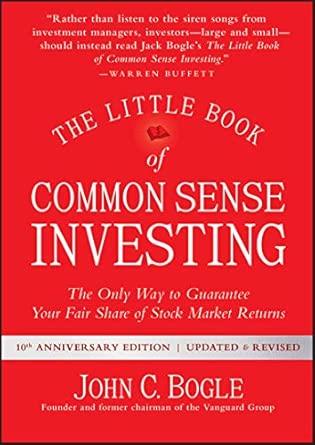 | Best for Passive-Investing Principles | Title: The Little Book of Common Sense Investing: The Only Way to Guarantee Your Fair Share of Stock Market Returns | ASIN: 1119404509 | Format: Book | VIEW LATEST PRICE | See Our Full Breakdown |
| Common Sense Investing With Index Funds |  | Best for a Direct Index-Fund Focus | Title: Common Sense Investing With Index Funds | ASIN: 0989546489 | Format: Book | VIEW LATEST PRICE | See Our Full Breakdown |
| How to Invest in Index Funds for Beginners: A Guide to Building Wealth with Low-Cost ETFs |  | Best for Beginners | Title: How to Invest in Index Funds for Beginners: A Guide to Building Wealth with Low-Cost ETFs | ASIN: B0HBC7QGRD | Stated audience: Beginner investors | VIEW LATEST PRICE | See Our Full Breakdown |
| index funds for beginner investor | Format |
|---|---|
| How to Invest in Index Funds: | Book |
| Index Investing for Absolute B | — |
| The Beginner’s Investing Handb | — |
| Index Fund Investing for Begin | — |
| AI Investing Without Picking S | — |
| ETFs | Not specified in the provided product data |
| The Patient Investor’s Guide t | Not specified in the provided product data |
| All About Index Funds: The Eas | Book |
| Investing 101: From Stocks and | Not specified in the provided product data |
| Index Funds vs. ETFs vs. Mutua | Not specified in the provided product data |
| The Trail of Successful Invest | Not provided |
| The Little Book of Common Sens | Book |
| Common Sense Investing With In | Book |
| How to Invest in Index Funds f | Not provided |
More Details on Our Top Picks
How to Invest in Index Funds: A Quick-Start Handbook for Beginners
This handbook’s strongest fit is a reader who wants a simple entry point before comparing specific funds or portfolio strategies. Its beginner-focused framing and quick-start promise make it more directly targeted at index investing than The Beginner’s Investing Handbook, which also takes on broader topics such as risk management and retirement planning. The tradeoff is limited detail in the available description: I can’t confirm how the book explains fund selection, account types, or portfolio construction. That makes it a plausible first read, not a substitute for checking whether its guidance answers those practical questions. Choose it for a concise orientation; skip it if you want a clearly documented walkthrough of VOO, VTI, or a three-fund portfolio.
Pros:- Explicitly aimed at beginner investors
- Focuses on index fund investing rather than investing broadly
- Quick-start framing may suit readers seeking an introductory guide
Cons:- Available description does not establish how much practical detail it provides
- No listed coverage of particular funds, account types, or portfolio strategies
- Book format alone does not indicate whether the guidance is current
Best for: New investors who want a straightforward introductory book focused specifically on getting started with index funds.
Not ideal for: Readers who want a documented, step-by-step portfolio plan or detailed coverage of fund choices; the supplied information does not establish that level of detail.
- Format:Book
- Topic:Index fund investing
- Intended audience:Beginners
- Approach:Quick-start introduction
- Stated purpose:Help readers understand how to get started
- Product type:Handbook
Our verdict“Pick this as a first orientation to index funds, but choose the VOO- and VTI-focused guide if you want a named portfolio framework.”
Index Investing for Absolute Beginners: Grow Your Wealth Without Picking Stocks
The clearest distinction here is the promise to invest without selecting individual stocks. That makes this guide a natural match for newcomers who want a passive approach and find company-by-company decisions distracting. Compared with How to Invest in Index Funds: A Quick-Start Handbook for Beginners, this title puts the no-stock-picking idea front and center, while the other book is framed more generally as an introduction to getting started. The limitation is that the supplied information does not say which funds, account choices, or diversification methods the guide covers. I’d choose it for its focused investing philosophy, not on the assumption that it offers a complete portfolio blueprint.
Pros:- Written for absolute beginners
- Clearly focuses on index investing
- Emphasizes an approach that avoids picking individual stocks
Cons:- No details establish how the guide translates its approach into a portfolio
- Coverage of fees, accounts, and risk is not specified
- The available information does not identify particular index funds or ETFs
Best for: First-time investors who want to understand a passive approach and avoid choosing individual stocks.
Not ideal for: Readers who need confirmed guidance on specific funds, account setup, or portfolio allocation; those details are not provided.
- Topic:Index investing
- Intended audience:Absolute beginners
- Approach:Passive investing
- Stock selection:Promotes investing without picking individual stocks
- Stated objective:Grow wealth
- Product type:Beginner investing guide
Our verdict“Choose this if avoiding individual-stock decisions is your main goal, and favor a more strategy-specific guide if you want a named portfolio plan.”
The Beginner’s Investing Handbook: How to Start With Less Than $1,000, Grow Your Wealth, Manage Risk, and Build Toward Retirement
This handbook reaches beyond index funds, which is its main advantage and its main drawback for this roundup. Its stated coverage includes getting started with less than $1,000, managing risk, and planning for retirement, including a catch-up plan for late starters. That wider scope may help a beginner connect investing decisions to a longer-term financial goal. By comparison, Index Fund Investing for Beginners: A Six-Level Guide to VOO, VTI, and the 3-Fund Portfolio is more directly tied to index-fund choices and portfolio structure. The supplied description does not confirm how much of this handbook focuses on index funds, so readers seeking a dedicated index-investing manual may find it less targeted.
Pros:- Addresses getting started with less than $1,000
- Includes risk-management topics
- Covers building toward retirement
- Mentions a catch-up plan for late starters
Cons:- Not described as an index-fund-specific guide
- No named funds or portfolio structure are provided in the supplied details
- The scope may be broader than a beginner seeking a focused index-fund primer
Best for: New investors with limited starting capital who also want introductory risk-management and retirement-planning guidance.
Not ideal for: Readers looking specifically for detailed index-fund selection or a defined index portfolio; its stated scope is broader than index investing.
- Topic:Beginner investing
- Stated starting point:Less than $1,000
- Coverage:Growing wealth
- Coverage:Risk management
- Coverage:Retirement planning
- Additional feature:Catch-up plan for late starters
- Product type:Investing handbook
Our verdict“Choose this for a broad beginner investing overview with retirement and risk topics, not as your first choice for an index-fund-only strategy.”
Index Fund Investing for Beginners: A Six-Level Guide to VOO, VTI, and the 3-Fund Portfolio
This is the most portfolio-specific option in the group: its title names VOO, VTI, and the three-fund portfolio, while the six-level framing suggests an ordered learning path. Those cues make it more actionable for a beginner than How to Invest in Index Funds: A Quick-Start Handbook for Beginners, whose supplied details promise an introduction but name no funds or portfolio method. The tradeoff is that the available description does not explain what each level teaches or how the named funds are compared. A beginner should also be ready to evaluate whether a framework built around these examples fits their own goals and account options. It stands out for specificity, but the listing alone cannot confirm depth or personalization.
Pros:- Focused specifically on beginner index-fund investing
- Names VOO and VTI as subjects
- Includes the three-fund portfolio as a stated topic
- Uses a six-level structure
Cons:- The supplied information does not describe the contents of the six levels
- No details confirm how fund differences or portfolio choices are explained
- A focused portfolio framework may not suit readers seeking broader investing coverage
Best for: Beginners who want a structured guide centered on VOO, VTI, and a three-fund portfolio concept.
Not ideal for: Readers who want a broad overview of investing beyond index funds or need confirmed detail on how the book compares funds and adapts portfolios.
- Topic:Index fund investing
- Intended audience:Beginners
- Structure:Six-level guide
- Named fund:VOO
- Named fund:VTI
- Portfolio topic:Three-fund portfolio
- Book series:The Everyday Investor’s Library
- Series number:2
Our verdict“Pick this if you want a structured introduction to named index funds and a three-fund framework, while recognizing that the available details do not show how deeply it explains them.”
AI Investing Without Picking Stocks: A Passive Investor’s Guide to AI ETFs and Index Funds
This guide takes a narrower, more thematic path than the other beginner options: it focuses on AI-related ETFs and index funds while presenting a passive approach that avoids picking individual stocks. That may appeal to readers who want to learn how a sector theme can fit within fund investing. Compared with Index Investing for Absolute Beginners: Grow Your Wealth Without Picking Stocks, it adds an AI focus rather than treating passive index investing as the main subject. The important tradeoff is concentration: an AI-themed portfolio is not the same as a broad-market foundation, and the supplied description does not explain how the guide addresses that distinction. I’d treat it as a specialized companion, not a complete first guide to beginner index investing.
Pros:- Covers both AI ETFs and index funds
- Presents a passive approach rather than individual-stock selection
- Aims to address diversification within an AI-focused portfolio
Cons:- AI-focused investing is narrower than a broad-market beginner foundation
- The supplied details do not identify specific funds or explain their selection
- No information is provided about how the guide handles theme concentration and risk
Best for: Beginners curious about AI-themed funds who already understand that a focused theme differs from broad-market diversification.
Not ideal for: New investors seeking a core, broadly diversified index-fund plan or a general introduction before exploring sector themes.
- Topic:AI investing
- Intended audience:Passive investors and beginners
- Fund types:AI ETFs and index funds
- Approach:Passive investing
- Stock selection:Promotes investing without picking individual stocks
- Stated portfolio aim:Build a diversified AI-focused portfolio
- Product type:Investor’s guide
Our verdict“Choose this as a specialized introduction to passive AI-themed funds, not as your sole guide to building a broadly diversified beginner portfolio.”
ETFs, Index Funds & Mutual Funds: An Absolute Beginner’s Guide
For a beginner who is unsure whether an index fund, ETF, or mutual fund fits their plan, this title puts the three categories side by side. That comparison is its clearest advantage over All About Index Funds: The Easy Way to Get Started, whose stated focus is narrower. The broad framing may help readers learn the basic vocabulary before choosing an account or fund, but the available description does not confirm how deeply the book explains fees, diversification, or fund selection. I would treat it as an introductory orientation, not a complete investing plan. Its scope may also feel less direct for someone who already knows they want a simple index-fund portfolio and wants instructions focused on that choice.
Pros:- Covers ETFs, index funds, and mutual funds in one beginner-oriented guide.
- Can help readers compare fund categories before settling on an approach.
- The title signals an introductory level suited to readers new to investing.
Cons:- The provided description gives no detail about coverage of fees, diversification, or how to choose a specific fund.
- Its three-category scope may offer less focused guidance on index-fund investing than a dedicated title.
Best for: New investors deciding whether to learn about ETFs, index funds, and mutual funds together before choosing a fund type.
Not ideal for: Readers who have already chosen index funds and want a detailed, step-by-step portfolio or fund-selection guide.
- Format:Not specified in the provided product data
- Subject:ETFs, index funds, and mutual funds
- Intended level:Absolute beginners
- Stated focus:Introductory guide to three fund types
- Index funds covered:Yes
- ETF coverage:Yes
- Mutual fund coverage:Yes
Our verdict“Choose this as an initial comparison guide if you are still deciding among fund types, but not as your sole resource for building an index-fund portfolio.”
The Patient Investor’s Guide to Index Funds: A No-Nonsense Guide to Building Wealth Automatically
This guide’s stated emphasis on patience and automatic wealth-building gives it a distinct angle for beginners who want a repeatable investing routine rather than frequent trading decisions. Compared with Investing 101: From Stocks and Bonds to ETFs and IPOs, it appears more directly aligned with a long-term index-fund approach, while that broader primer covers several investment types. The title suggests a focus on staying consistent, but the supplied description does not establish whether it includes practical details such as choosing funds, setting contributions, or rebalancing. That makes it a potentially useful mindset-oriented starting point, with an important limitation: buyers seeking verified step-by-step instructions should not assume those details are included.
Pros:- Its stated subject is specifically index-fund investing.
- Emphasizes patient, long-term wealth-building rather than short-term trading.
- The automatic-investing theme may appeal to readers seeking a hands-off routine.
Cons:- The provided description does not specify the book’s methods or practical coverage.
- No format or technical details are supplied, so readers cannot judge its presentation from the available data.
Best for: Beginners who prefer a long-term, low-maintenance investing mindset and want a guide centered on index funds.
Not ideal for: Readers who need confirmed, detailed instructions for selecting funds, automating deposits, or managing a portfolio.
- Format:Not specified in the provided product data
- Subject:Index-fund investing
- Intended level:Not specified in the provided product data
- Stated approach:Patient, no-nonsense investing
- Stated goal:Building wealth automatically
- Index funds covered:Yes
Our verdict“Pick this if its patient, automatic-investing focus matches your goals, while checking the full contents if you need step-by-step portfolio guidance.”
All About Index Funds: The Easy Way to Get Started (All About Series)
Among this batch, this is the most clearly targeted first read for someone who already wants to understand index funds: both its title and supplied description center on getting started with them. That focus makes it more direct than Investing 101: From Stocks and Bonds to ETFs and IPOs, which introduces a wider range of investments. The tradeoff is that the available product data says little about its actual chapters, level of detail, or guidance on choosing and holding funds. I would see it as a focused entry point, not assume it covers a complete portfolio plan. Its beginner emphasis is useful for narrowing the subject, but readers who want a comparison of fund structures may prefer ETFs, Index Funds & Mutual Funds: An Absolute Beginner’s Guide.
Pros:- Aimed at beginners, according to the supplied product information.
- Focuses on getting started with index funds rather than general investing topics.
- Identified as a book, giving buyers a confirmed format.
Cons:- The supplied data does not describe its specific lessons or level of detail.
- No information is provided about fund selection, fees, or portfolio construction.
Best for: First-time investors who want an introductory book focused specifically on getting started with index funds.
Not ideal for: Readers looking for a confirmed comparison of ETFs, mutual funds, and index funds or detailed portfolio instructions.
- Format:Book
- Series:All About Series
- Subject:Index funds
- Intended level:Beginners
- Stated focus:Getting started with index funds
- ASIN:0071484922
Our verdict“Choose this for a beginner-focused introduction to index funds, but seek more detailed guidance if you need help building a portfolio.”
Investing 101: From Stocks and Bonds to ETFs and IPOs
This Adams 101 title is the broadest primer in the group: it introduces stocks, bonds, ETFs, and IPOs, with portfolio-building named as part of its focus. That wider scope can help a beginner understand where index funds fit among other investments, unlike All About Index Funds: The Easy Way to Get Started, which concentrates on index funds. The tradeoff is equally clear: a survey of several asset types may leave less room for practical index-fund decisions. The provided description does not specify how much attention it gives to fund fees, diversification, or long-term index strategies, so I would choose it for general investing context rather than assume it is a dedicated index-fund manual.
Pros:- Covers several common investments, including stocks, bonds, and ETFs.
- Designed as an introductory primer.
- The stated focus includes building a portfolio.
- Belongs to the Adams 101 series.
Cons:- Its broad subject range may provide less index-fund-specific instruction than focused guides.
- The supplied description does not detail its treatment of fees, diversification, or index-fund strategies.
Best for: New investors who want a broad introduction to common investments and portfolio-building before focusing on index funds.
Not ideal for: Readers who want a narrowly focused guide to selecting and managing index funds rather than a survey of investment types.
- Series:Adams 101
- Subject:Introductory investing
- Investments covered:Stocks, bonds, ETFs, and IPOs
- Stated focus:Building a portfolio
- Intended level:Introductory
- Format:Not specified in the provided product data
- ASIN:1440595135
Our verdict“Pick this for general investing foundations and portfolio context, but choose a dedicated index-fund guide for focused implementation help.”
Index Funds vs. ETFs vs. Mutual Funds: A Beginner’s Guide to Investing
This title is aimed at beginners weighing three related choices—index funds, ETFs, and mutual funds—and also signals an interest in simple strategies and long-term wealth-building. That makes it a close fit for someone who wants to compare fund types before committing. Compared with The Patient Investor’s Guide to Index Funds, its stated scope is broader, while the other title has a clearer emphasis on patient, automatic investing. The available description does not say how the book explains distinctions among these categories or whether it offers concrete selection steps. I would treat its comparison angle as the reason to shortlist it, while recognizing that a reader already committed to index funds may prefer a more narrowly focused guide.
Pros:- Compares three common fund types, based on the supplied description.
- Aimed at beginner investors.
- Signals a focus on simple investing strategies and long-term wealth-building.
Cons:- The supplied data does not detail the book’s coverage or explain how it distinguishes the fund types.
- Format and practical portfolio guidance are not specified.
Best for: New investors who want to compare index funds, ETFs, and mutual funds while learning about simple long-term investing.
Not ideal for: Readers who have already chosen index funds and want detailed, verified instructions for building or maintaining a portfolio.
- Format:Not specified in the provided product data
- Subject:Index funds, ETFs, and mutual funds
- Intended level:Beginners
- Stated strategy:Simple investing strategies
- Stated goal:Long-term wealth-building
- Index funds covered:Yes
- ETF coverage:Yes
- Mutual fund coverage:Yes
Our verdict“Choose this if comparing fund types is your main question; look for a more focused guide if you already know you want index funds.”
The Trail of Successful Investing in Index ETF Funds
The title signals a focus on index ETFs, which may appeal to beginners who want to learn about exchange-traded funds rather than investing broadly. I would place it behind How to Invest in Index Funds for Beginners: A Guide to Building Wealth with Low-Cost ETFs for readers seeking a clearly stated beginner-oriented, long-term approach: the available information for this book does not describe its audience, methods, or level of detail. That lack of detail makes it hard to judge whether it explains fund selection, costs, or practical account steps. Its narrow ETF emphasis may suit someone who already knows they want that fund structure, but beginners comparing ETFs with mutual funds should seek a source that explicitly covers both. The main tradeoff is a topic-specific title without enough supplied information to verify how useful or accessible the guidance is.
Pros:- Title explicitly centers on index ETF funds
- May suit readers seeking a focused topic rather than a broad investing overview
- Provides a distinct ETF-centered alternative to books with broader index-fund framing
Cons:- No description or detailed product information was supplied
- The available details do not confirm beginner accessibility or practical instruction
- No supplied information establishes whether it covers fees, risks, or fund selection
Best for: Readers already interested in index ETFs who are comfortable checking the book’s contents before relying on it as a beginner guide
Not ideal for: First-time investors who need confirmed coverage of fund costs, account setup, or comparisons between ETFs and mutual funds
- Title:The Trail of Successful Investing in Index ETF Funds
- ASIN:B0HHM85338
- Subject indicated by title:Index ETF funds
- Format:Not provided
- Author:Not provided
- Publication date:Not provided
Our verdict“Choose this only if you want an ETF-centered read and can verify its contents, since the supplied information does not establish its usefulness for beginners.”
The Little Book of Common Sense Investing: The Only Way to Guarantee Your Fair Share of Stock Market Returns
This book is the clearest pick here for readers who want the reasoning behind index investing, rather than a guide framed solely around getting started with ETFs. Its stated focus is capturing a fair share of stock-market returns through common-sense investing. Compared with How to Invest in Index Funds for Beginners: A Guide to Building Wealth with Low-Cost ETFs, it appears more principles-led; the latter explicitly presents itself as a beginner guide to low-cost ETFs and a simple long-term approach. That distinction matters: understanding the case for broad-market investing can help a new investor stay focused, but the supplied details do not confirm step-by-step account instructions or fund-selection examples. I would choose it for the investing philosophy, not assume it covers every practical first-purchase question. The title’s promise of “guarantee” should not be read as a guarantee of investment outcomes.
Pros:- Explicitly focuses on common-sense investing
- Centers on capturing a share of stock-market returns
- Offers a principles-oriented contrast to beginner guides focused on ETF setup
Cons:- Supplied details do not confirm practical account-opening or purchasing instructions
- No detailed product information was provided about examples, scope, or reading level
- The title’s guarantee wording can overstate what investing can promise
Best for: New investors who want to understand the case for passive, broad-market investing before choosing a fund
Not ideal for: Readers who need a confirmed walkthrough of brokerage accounts, ETF mechanics, or specific beginner portfolio steps
- Title:The Little Book of Common Sense Investing: The Only Way to Guarantee Your Fair Share of Stock Market Returns
- ASIN:1119404509
- Format:Book
- Stated subject:Common-sense investing
- Stated focus:Capturing a fair share of stock-market returns
- Author:Not provided
- Publication date:Not provided
Our verdict“Pick this for the passive-investing rationale, but pair it with a practical beginner guide if you need help selecting and buying a fund.”
Common Sense Investing With Index Funds
The appeal here is its direct focus on investing with index funds, without the broader stock-market framing of The Little Book of Common Sense Investing. That makes the title easy to match to a beginner’s subject of interest, but the supplied description gives no further details about its approach, intended reader, or practical coverage. I would rank it below How to Invest in Index Funds for Beginners: A Guide to Building Wealth with Low-Cost ETFs for someone seeking a clearly described starting point: that book explicitly targets beginners and names low-cost ETFs and long-term investing. This one may suit readers who want a concise, topic-specific option, but the available information does not tell me whether it explains costs, diversification, or fund selection. Its central tradeoff is a highly relevant title paired with limited evidence about what the book actually teaches.
Pros:- Title directly names index-fund investing
- Keeps the stated subject narrower than a general investing handbook
- May complement a principles-focused book with a more explicitly index-fund-centered topic
Cons:- No further description or detailed product information was provided
- Beginner suitability and practical depth cannot be confirmed from the supplied details
- No supplied information confirms coverage of costs, diversification, or risks
Best for: Readers who want a book specifically about index funds and are willing to review its contents before buying
Not ideal for: Beginners who need verified step-by-step guidance on choosing funds, understanding fees, or setting up an investment account
- Title:Common Sense Investing With Index Funds
- ASIN:0989546489
- Format:Book
- Stated subject:Investing with index funds
- Approach indicated by title:Common-sense investing
- Author:Not provided
- Publication date:Not provided
Our verdict“Consider it for its focused subject, but choose a more fully described beginner guide if you need confirmed practical instruction.”
How to Invest in Index Funds for Beginners: A Guide to Building Wealth with Low-Cost ETFs
This is the most directly beginner-oriented choice in this group: its description names low-cost ETFs, a simple long-term approach, and building wealth through index funds. That makes it a more practical starting match than The Little Book of Common Sense Investing if your immediate question is how a beginner might approach ETFs, rather than why passive investing appeals. Its set-and-forget framing may help readers resist frequent trading, though the supplied details do not say how it handles risk, diversification, or choosing among funds. I would favor it for a reader who wants a plain-language introduction to a long-term plan, while someone seeking a fuller account of investing principles may prefer the Little Book. The tradeoff is a clear beginner promise without enough detail to verify the depth of its guidance.
Pros:- Explicitly aimed at beginner investors
- Names low-cost index funds and ETFs as core topics
- Promotes a simple, long-term approach rather than frequent trading
- Its set-and-forget framing may help readers focus on consistency
Cons:- Supplied details do not confirm the depth of fund-selection guidance
- No information was provided about author, format, or publication date
- Risk, diversification, and ETF-versus-mutual-fund coverage are not specified
Best for: First-time investors who want an accessible introduction to low-cost ETFs and a simple long-term investing approach
Not ideal for: Readers seeking detailed, verified coverage of portfolio construction, investment risks, or comparisons between ETFs and mutual funds
- Title:How to Invest in Index Funds for Beginners: A Guide to Building Wealth with Low-Cost ETFs
- ASIN:B0HBC7QGRD
- Stated audience:Beginner investors
- Stated subject:Index funds and ETFs
- Stated ETF focus:Low-cost ETFs
- Stated approach:Simple, long-term, set-and-forget investing
- Format:Not provided
- Author:Not provided
Our verdict“Choose this for a clearly beginner-focused introduction to low-cost ETFs and long-term investing, while checking the contents if you need detailed portfolio guidance.”

How We Picked
I ranked these books by how well their stated focus matches a beginner’s real first questions: what an index fund is, how it differs from an ETF or mutual fund, what costs and risks matter, and how to begin with a long-term plan. I gave priority to titles centered on index investing and plain-language entry points, while also noting whether a book appears more conceptual, practical, broad, or specialized based on its title and scope. The ranking reflects fit for a beginner—not a promise of investment results or a claim that every reader needs the same approach.
Books that focus directly on index funds generally rank ahead of broad investing primers for this particular search. The classic, principle-led choice earns a distinct role for explaining the case for passive investing, while hands-on beginner titles suit readers seeking a starting framework. General guides can be useful when a reader needs foundational context; niche titles rank lower for most newcomers because their narrower subjects make more sense after learning core portfolio principles. Since the books’ contents can vary by edition, I avoid treating titles alone as proof of specific advice or outcomes.
| index funds for beginner investor | Format |
|---|---|
| How to Invest in Index Funds: | Book |
| Index Investing for Absolute B | — |
| The Beginner’s Investing Handb | — |
| Index Fund Investing for Begin | — |
| AI Investing Without Picking S | — |
| ETFs | Not specified in the provided product data |
| The Patient Investor’s Guide t | Not specified in the provided product data |
| All About Index Funds: The Eas | Book |
| Investing 101: From Stocks and | Not specified in the provided product data |
| Index Funds vs. ETFs vs. Mutua | Not specified in the provided product data |
| The Trail of Successful Invest | Not provided |
| The Little Book of Common Sens | Book |
| Common Sense Investing With In | Book |
| How to Invest in Index Funds f | Not provided |
Factors to Consider When Choosing Index Funds For Beginner Investors
Choosing a book is only the first decision. I’d match the guide to the question you need answered now, then check whether it builds habits and concepts that remain useful beyond a particular fund or market moment.
Start With the Question You Need Answered
Some beginners need a plain explanation of what an index fund tracks; others are ready to compare funds or build a portfolio. Pick a book whose scope matches that gap rather than buying the broadest guide by default. A narrow title can be more useful when you want one clear subject, while an introductory survey can help if terms such as stocks, bonds, ETFs, and mutual funds are all unfamiliar. A common mistake is choosing a specialized book before understanding the basics it assumes. Look for a clear sequence from concepts to decisions, not just a list of investing terms. If you already know the basics, a focused guide may save time and reduce confusion.
Learn the Difference Between a Fund and Its Wrapper
An index describes an investment benchmark; an ETF or mutual fund is a structure that can track one. Beginners sometimes treat these labels as competing strategies, though a fund’s holdings, fees, and rules matter more than the label alone. A comparison guide can help you learn how trading, automatic contributions, and account features differ between structures. The tradeoff is that a fund-type overview may spend less time on portfolio construction or investor behavior. Before acting on a book’s example, check whether it is describing a general principle or a particular fund format. That distinction helps keep a convenient wrapper from becoming the whole investment plan.
Judge Advice by Costs, Diversification, and Risk
A beginner’s guide should explain why costs can reduce returns over time and how diversification spreads exposure across many holdings. It should also make clear that broad diversification cannot prevent market declines or guarantee a gain. Be wary of treating a named fund, ticker, or portfolio recipe as suitable for every reader; goals, time horizon, and risk tolerance differ. A book that explains tradeoffs is more durable than one that makes investing sound effortless or certain. Check whether it distinguishes a fund’s past performance from what an investor can expect in the future. These ideas matter more than memorizing a particular allocation from a single example.
Separate Long-Term Principles From Timely Examples
Investing books can combine lasting ideas with examples tied to a particular market period, product lineup, or tax rule. Principles such as diversification, low costs, and a long horizon can remain useful, while fund details and account rules may change. Treat named tickers as illustrations until you verify current fund information and eligibility with a reliable provider. A common mistake is following an older example literally without checking whether the details still apply. Prefer material that explains how to evaluate a choice, not only what choice its author favors. That approach gives you a framework you can revisit as your circumstances change.
Choose the Right Level of Detail
A concise quick-start book can help you form a first plan without overwhelming you, but it may not answer every question about taxes, account types, or portfolio design. A more detailed handbook can offer broader context yet slow down readers who only need a clear introduction. Decide how much background you want and whether you learn better from a short sequence or a wide survey. If a book introduces a strategy without explaining its risks, pair it with a more balanced source before making a decision. More pages do not automatically mean better guidance for a first-time investor. The best fit is the book you can understand, question, and apply thoughtfully.
Treat Specialized Themes as Add-Ons, Not Shortcuts
A guide focused on AI ETFs or a particular index ETF niche may answer a specific curiosity, but that subject is not a substitute for learning the basics. Thematic investments can concentrate exposure in an industry or idea, which may behave differently from a broad-market fund. Beginners often confuse a compelling theme with a diversified core portfolio. Learn how the fund is constructed, what it holds, and what risks it concentrates before deciding whether it belongs in your plan. A specialized book may be a useful follow-up once you understand broad index investing. For a first book, core principles usually serve more readers than a narrow market theme.
Frequently Asked Questions
Which book should I choose if I have never invested before?
I’d start with a title explicitly written for absolute beginners, such as Index Investing for Absolute Beginners or How to Invest in Index Funds: A Quick-Start Handbook for Beginners. The first signals a broad introductory approach to passive investing; the second points more directly to index-fund basics and getting started. If common investing terms are still unfamiliar, a wider primer such as Investing 101 may provide useful context, though it covers more than index funds. Choose the book that explains costs, diversification, and risk in language you can follow. You do not need to buy several books before learning the core ideas.
Should I read a book about index funds or one comparing ETFs and mutual funds first?
Start with the comparison guide if you are unsure what the words ETF and mutual fund mean or how their mechanics differ. Choose a focused index-fund book if you already understand those structures and want to learn how passive investing works. These subjects overlap, but they answer different questions: one explains investment vehicles, while the other focuses on an investing approach. Neither format is automatically the better choice for every beginner. A sound decision depends on your knowledge gap and the account features available to you.
Is a book that recommends specific funds enough to choose my investments?
No book should replace checking current fund information and matching it to your own goals, time horizon, and risk tolerance. Fund names and examples can help you understand how a strategy works, but fees, holdings, eligibility, and other details can change. A recommendation written for one investor may not fit another person’s account or circumstances. Use the book to learn what questions to ask, then verify details through current fund documents and your investment provider. Be cautious of any guide that presents a particular fund as suitable for everyone or implies returns are guaranteed.
Should a beginner choose a broad investing handbook or a focused index-fund guide?
A broad handbook is useful if you need context about subjects beyond index funds, such as stocks, bonds, retirement, and managing risk. A focused guide is usually a better match if your main goal is to understand passive investing without sorting through unrelated material. The tradeoff is breadth versus depth: a survey can introduce more concepts, while a specialized book can spend more attention on one approach. If you are unsure, begin with the most immediate question you need answered rather than assuming a longer scope is better. You can add a second book later if you find a specific gap.
Are books about AI ETFs a good starting point for index-fund beginners?
Usually, I would treat an AI-focused investing book as a follow-up rather than a first guide. A thematic fund may concentrate holdings around one industry or idea, so it raises questions that are easier to answer after learning diversification, fees, and risk. A beginner looking for a core investing framework will generally get more direct help from a broad index-fund guide. If AI investing is your specific interest, use a specialized book to understand the theme, then check what the fund actually holds and how it fits alongside a diversified plan. Interest in a theme alone does not establish that it suits your goals.
Conclusion
For the best overall introduction to the case for passive investing, I’d choose The Little Book of Common Sense Investing; readers who want a more direct first-step framework should look to How to Invest in Index Funds: A Quick-Start Handbook for Beginners. My best value in scope is All About Index Funds: The Easy Way to Get Started, a focused option for readers who want the core subject without a broad investing survey. For the best beginner-friendly comparison of fund structures, choose ETFs, Index Funds & Mutual Funds; for a wider foundation, consider Investing 101 or The Beginner’s Investing Handbook. I’d reserve AI Investing Without Picking Stocks and other niche ETF titles for readers who already understand the basics and want to explore a specific angle. Choose the book that fills your current knowledge gap, then verify any fund or account details before acting on an example.