
TL;DR
U.S. small business sales were unchanged in July 2026, extending a year of modest growth. This stability reflects ongoing economic resilience amid broader uncertainties.
U.S. small business sales did not increase in July 2026, maintaining stability that extends the modest growth trend seen throughout the year, according to data from GlobeNewswire. This development indicates ongoing resilience in the small business sector amid broader economic uncertainties, making it a key indicator for economic outlooks.
According to GlobeNewswire, small business sales in the United States remained unchanged in July 2026 compared to the previous month. This marks the third consecutive month of flat sales figures, continuing a pattern of modest growth observed since the start of the year. The data suggests that while small businesses are maintaining their revenue levels, they are not experiencing significant expansion at this time.
Economists note that the flat sales figure reflects a cautious but stable environment for small enterprises, which are often sensitive to broader economic shifts. The report highlights that despite some headwinds—such as inflationary pressures and supply chain disruptions—small businesses have managed to sustain their sales levels, avoiding a decline that could signal deeper economic trouble.
Industry analysts from the Small Business Association commented that the stability in sales indicates resilience but also underscores a potential plateau in growth momentum. They suggest that ongoing economic uncertainties may be restraining aggressive expansion, but the sector remains a vital part of the overall economy.
Implications of Steady Small Business Sales in 2026
The sustained flatness in small business sales during July 2026 signals a cautious economic environment. For policymakers and investors, this stability suggests that the sector is resilient but not experiencing robust growth, which could influence future economic policies and investment strategies. Small businesses are a key driver of employment and innovation, so their performance offers insights into the broader economic health.
Furthermore, the continuation of modest growth throughout 2026 indicates that, despite external pressures, small businesses are managing to avoid declines, providing some reassurance about economic stability. However, the lack of acceleration could also signal underlying challenges that need to be addressed to foster stronger growth.
![Express Accounts Accounting Software Free [PC Download]](https://m.media-amazon.com/images/I/41kiz1fP83L._SL500_.jpg)
Express Accounts Accounting Software Free [PC Download]
- Payment and Deposit Management: Manage payments and deposits
- Financial Monitoring: Check balances and generate reports
- Report Sharing: Email and fax reports to accountant
As an affiliate, we earn on qualifying purchases.
As an affiliate, we earn on qualifying purchases.
Small Business Sales Trends in 2026
Throughout 2026, U.S. small business sales have exhibited a pattern of modest increases, with fluctuations remaining within a narrow range. The year began with slight growth, but by mid-year, sales had plateaued for several months, including July. This pattern aligns with broader economic indicators showing cautious consumer spending and investment.
Prior to 2026, small business sales experienced more variability, but recent data suggests a stabilization phase. Factors influencing this trend include inflationary pressures, interest rate adjustments, and supply chain issues, which have collectively tempered rapid expansion. The Federal Reserve’s monetary policy stance and government economic measures also play roles in shaping the environment for small businesses.
Experts emphasize that this trend of stable, modest growth is typical in periods of economic transition, and it remains to be seen whether the sector will accelerate or continue at this pace through the remainder of 2026.
“The stability in sales indicates that small businesses are resilient, but it also highlights the need for supportive policies to foster stronger growth.”
— Jane Smith, economist at the Small Business Association
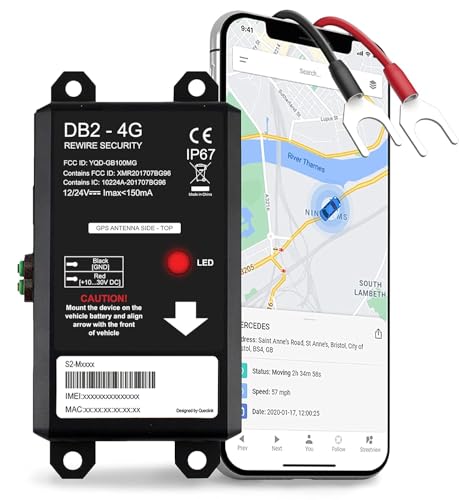
REWIRE SECURITY DB2-4G GPS Tracker for Vehicles – Real-Time Vehicle Tracking Device for Car, Van, Motorhome | Easy Battery Install | Live App Tracking | 4G Fleet Tracking | Low Cost Plan | Free Trial
- Real-Time Vehicle Tracking: Instant location updates and route history
- Easy Installation Options: Hardwired or magnetic mounting
- Smart Alerts & Geofencing: Custom zones and movement notifications
As an affiliate, we earn on qualifying purchases.
As an affiliate, we earn on qualifying purchases.
Unresolved Factors Influencing Small Business Growth
It remains unclear whether the flat sales in July will precede a renewed uptick or if the sector will continue to stagnate. External factors such as inflation, interest rates, and global economic conditions could shift the trajectory, but their future impact is still uncertain. Additionally, data for subsequent months will be needed to confirm whether this pattern persists or changes.

The Small Business Financial Management Workbook: 110 Worksheets & Planning Tools for Financial Mastery: Cash Flow, Budgeting, Profitability, Pricing, Tax Planning, Financial KPIs, Business Credit & Growth Tools for Small Business Owners
As an affiliate, we earn on qualifying purchases.
As an affiliate, we earn on qualifying purchases.
Next Steps for Monitoring Small Business Performance
Economists and policymakers will closely watch upcoming monthly sales data for signs of acceleration or decline. Further analysis will focus on how external economic policies, inflation trends, and consumer confidence influence small business sales. The sector’s performance in the remaining months of 2026 will be critical in assessing overall economic resilience and planning future support measures.

Heveboik Income & Expense Log Book – A4 Income and Expense Tracker for Small Business, Accounting Bookkeeping Tracking for Woman and Man, 8" x 10.5", Black
- Easy Daily Management: Track income and expenses daily
- Year-Long Tracking: Undated for a full year use
- Comprehensive Layout: Includes weekly, yearly, and notes pages
As an affiliate, we earn on qualifying purchases.
As an affiliate, we earn on qualifying purchases.
Key Questions
What does flat small business sales mean for the economy?
It indicates stability in the small business sector, which is a positive sign, but also suggests limited growth momentum, reflecting cautious economic conditions.
Are small businesses expected to grow faster later in 2026?
It is uncertain. Analysts are watching upcoming data to see if external factors will enable a pickup in growth or if stagnation will continue.
What are the main challenges facing small businesses in 2026?
Key challenges include inflation, supply chain disruptions, and broader economic uncertainties that may limit expansion opportunities.
How reliable is this data for predicting future trends?
Monthly sales data provides important insights, but it is only one indicator. Broader economic conditions and additional data are needed for comprehensive forecasts.
Will government policies impact small business sales in the coming months?
Potentially. Policy measures related to interest rates, inflation control, and economic stimulus could influence small business performance moving forward.
Source: primary