
TL;DR

Get smart everyday buys delivered free with Prime
- Fast, free delivery on millions of items
- Prime Video, Amazon Music and more included
- Member-only deals all year
A late-June 2026 buyer guide from Thorsten Meyer AI says the current memory crunch has changed the usual upgrade math: buyers who need a PC now should buy right-sized DDR5 rather than wait for cheaper prices or DDR6. The report says DDR6 remains a future platform shift, with server adoption expected before mainstream desktop availability and early pricing likely higher.
Thorsten Meyer AI published the third part of its 2026 memory crunch series with a clear buyer recommendation: people building or upgrading PCs should buy the DDR5 they actually need now and should not delay purchases for DDR6, which the report says is still years away from broad desktop value.
The guide says the usual PC-upgrade pattern has broken in this cycle. In past memory cycles, buyers often benefited by waiting for prices to fall or for a new standard to arrive. This report says current forecasts point to meaningful price relief no earlier than 2028, making the next quarter more likely to be more expensive than cheaper for many buyers.
For mainstream builds, the report identifies DDR5-6000 CL30 as the practical sweet spot across current AMD and Intel platforms. It says higher-speed kits, including expensive DDR5-8000-class memory, are unlikely to deliver enough real-world gaming or work gains for most users to justify the premium during a shortage.
The capacity guidance is also narrow: 32GB for gaming and general desktop use, 64GB for creation and heavy multitasking, and 128GB only for workloads that can already use it. The article warns that buying large amounts of unused memory at peak prices may lock buyers into the most expensive part of the cycle.
DDR5 now, DDR6 soon
A buyer’s field guide. The 20-year instinct — wait for prices to drop, or wait for the next generation — is broken this cycle. Buy the DDR5 you actually need now; don’t wait for DDR6. Here’s the reasoning.
Driven to end-of-life, production slashed. Same money, dead-end socket. Leave a working DDR4 box alone — but never start a new build on DDR4 to “save.”
A framework, not a gamble. Buy the DDR5 you need now, at the sweet spot, in the capacity you’ll actually use — don’t buy DDR4, don’t wait for DDR6. The two costliest mistakes in this market are the ones that feel prudent: waiting for a price drop that isn’t coming, and waiting for a next-gen part that launches dearer than what’s on the shelf. Next: The SSD Squeeze.
Buyers Face Higher Memory Risk
The report matters because memory is no longer a minor line item for many PC builds. If DDR5 prices stay elevated into 2028, waiting could leave buyers paying more while also delaying access to newer CPU, GPU, and platform gains.
The guidance is aimed at reducing two costly errors: buying too much capacity out of caution, or delaying a needed machine for DDR6 before the ecosystem is ready. The report frames the decision as a workload question, not a bet on perfect timing.
It also warns against using DDR4 as a budget escape route for new systems. According to the guide, DDR4 production has been cut as the standard nears end-of-life, and DDR4 can now cost about the same as, or more than, DDR5 per gigabyte. Existing DDR4 systems may still be worth keeping, but the report says new DDR4 builds are a poor long-term buy.
As an affiliate, we earn on qualifying purchases.
DDR6 Is Still Platform-First
The buyer guide follows two earlier installments in Thorsten Meyer AI’s memory crunch series, which focused on why memory prices rose. This installment shifts from causes to buying decisions, using late-June 2026 sourcing from TrendForce, TechPowerUp, OC3D, HWCooling, JEDEC, DirectMacro, Alibaba Electronics, and Tom’s Hardware.
The report says DDR6 is expected to appear first in servers around 2026-27, with mainstream desktop availability expected around 2027. It describes DDR6 as an all-new platform shift, not a drop-in upgrade for current DDR5 systems.
On specifications, the source material says DDR5 uses two 32-bit sub-channels, while DDR6 is expected to use four 24-bit sub-channels. It also cites DDR6 speed targets from 8,800 MT/s to 17,600 MT/s, with bandwidth roughly two to three times DDR5. Those figures describe expected technical direction, not a guarantee of early retail value.
“Buy the DDR5 you actually need now; don’t wait for DDR6.”
— Thorsten Meyer AI buyer guide
As an affiliate, we earn on qualifying purchases.
DDR6 Pricing Remains Unsettled
The biggest open question is how quickly DDR6 will become practical for mainstream desktop buyers. The report cites expectations for server adoption around 2026-27 and desktop systems around 2027, but actual retail timing, motherboard support, BIOS maturity, and launch supply remain developing.
Early DDR6 pricing is also uncertain. The guide says launch pricing could be two to three times DDR5 per gigabyte, but final street prices will depend on supply, platform adoption, and demand from AI and server markets. The report treats price forecasts as current market analysis, not a guarantee.
The guidance also depends on workload. Buyers running large local AI models, scientific workloads, or bandwidth-bound professional applications may have a stronger reason to wait for DDR6 or buy more capacity now than a gaming buyer would.
As an affiliate, we earn on qualifying purchases.
Next Decisions Move To SSDs
The next installment in the series is expected to cover the SSD squeeze. For memory buyers, the near-term decision is narrower: match the purchase to the machine’s real workload, favor DDR5 for new builds, and treat DDR6 as a future platform choice rather than a short-term rescue.
Readers should watch for updated pricing from retailers, new motherboard qualification lists, and any revised guidance from JEDEC or memory makers. The report is a late-June 2026 snapshot and is not financial, tax, or legal advice.
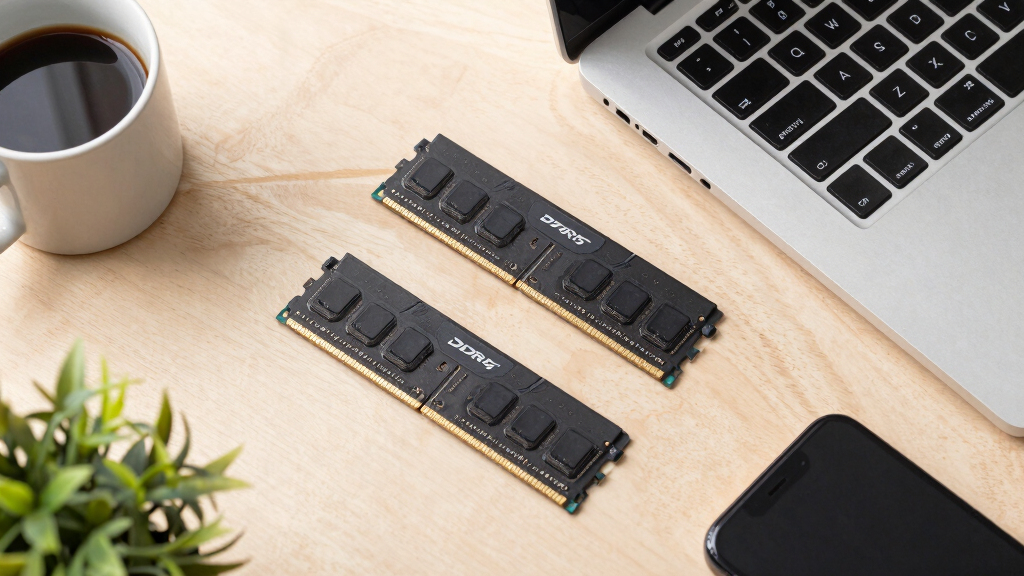
high performance DDR5 memory for PC build
As an affiliate, we earn on qualifying purchases.
As an affiliate, we earn on qualifying purchases.
Key Questions
Should I wait for DDR6 before building a PC?
For most buyers, the guide says no. It says DDR6 is expected to reach servers before mainstream desktops and will require new platforms, so waiting could delay a needed system while exposing buyers to higher early pricing.
What DDR5 kit does the report recommend?
The report points to DDR5-6000 CL30 as the value sweet spot for many AMD and Intel systems. It says faster kits may make sense for niche tuning, but most games and common workloads are unlikely to benefit enough to justify the added cost.
How much memory should most buyers get?
The guide recommends 32GB for gaming and general desktop use, and 64GB for content creation or heavier multitasking. It warns that buying 128GB without a present workload may waste money during a high-price cycle.
Is DDR4 still a good budget choice?
The report says existing DDR4 systems can still be left alone if they work, but new DDR4 builds are a weak value. It says DDR4 supply has been cut and prices can now match or exceed DDR5 per gigabyte.
Who might still wait for DDR6?
The guide says waiting may make sense for AI, machine-learning, scientific-compute, and long-life workstation buyers whose workloads are strongly bandwidth-bound and whose budgets can absorb early platform costs.
Source: Thorsten Meyer AI
Fall Picks
fall essentials
As an affiliate, we earn on qualifying purchases.