
TL;DR

Get smart everyday buys delivered free with Prime
- Fast, free delivery on millions of items
- Prime Video, Amazon Music and more included
- Member-only deals all year
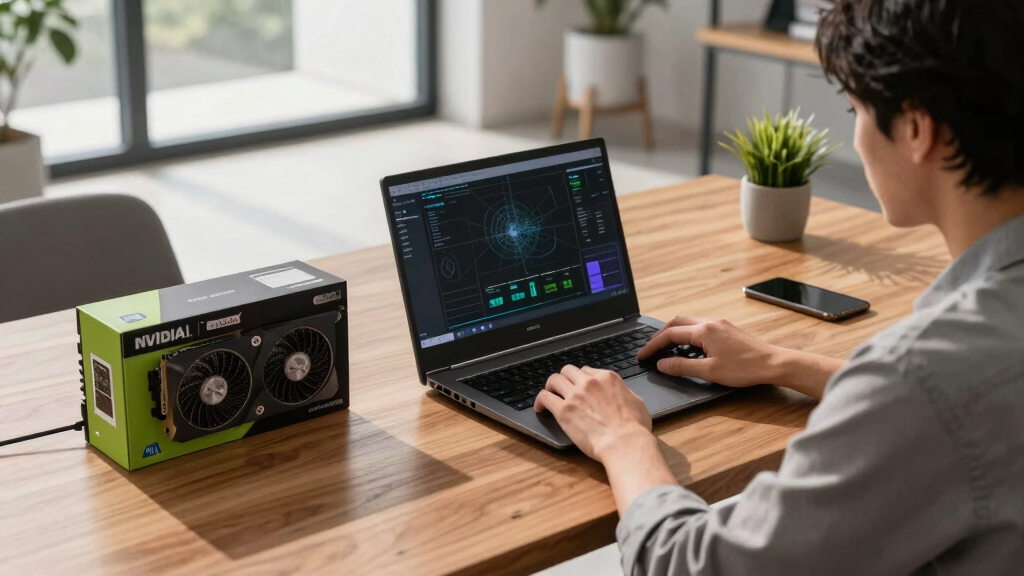
Nvidia, CoreWeave, and Nebius are involved in a circular financing arrangement to fund GPU expansion. This innovative funding model supports rapid growth in cloud computing and AI sectors. The development highlights new investment strategies in the tech industry.
Nvidia, CoreWeave, and Nebius are engaged in a circular financing model aimed at funding the expansion of GPU infrastructure. This approach involves reinvesting returns and funding rounds that support the rapid growth of cloud computing and AI applications, making it a notable development in the tech investment landscape.
Recent reports indicate that Nvidia has been providing funding and strategic support to cloud providers CoreWeave and Nebius through a series of investment rounds and partnerships. These arrangements create a circular flow of capital, where profits generated from GPU-intensive services are reinvested into further infrastructure development. This model allows the companies to sustain aggressive expansion without relying solely on traditional debt or equity funding.
Sources familiar with the matter suggest that Nvidia’s involvement includes both direct investments and strategic collaborations, aiming to secure supply chains and market share in the rapidly growing AI and cloud computing sectors. CoreWeave and Nebius, both cloud service providers specializing in GPU-intensive workloads, have reportedly used this funding to scale their data centers and upgrade hardware, fueling the GPU demand surge.
While specific financial figures are not publicly disclosed, industry analysts note that this circular financing approach could become a blueprint for future tech investments, especially as demand for AI hardware continues to skyrocket.
Implications of Circular Financing for GPU Market Growth
This circular funding model represents a shift in how major tech companies finance infrastructure expansion. By reinvesting profits and creating self-sustaining investment cycles, Nvidia, CoreWeave, and Nebius can accelerate GPU deployment, which is critical for AI development, cloud services, and data-intensive applications. For investors and industry watchers, this approach indicates a strategic move to secure supply chains and market dominance amid fierce competition and supply constraints.
Products Worth Considering

Apple MacBook Pro 14.2-inch with M5 Pro, 15-core CPU, 16-core GPU, 48GB Memory, 1TB SSD, Silver

Trezor Safe 5 Crypto Hardware Wallet with Color Touchscreen, Black Graphite

Apple MacBook Pro 14-inch with M5 Max Chip (18-Core CPU, 20-Core GPU), 48GB RAM, 2TB SSD, Space Black
As an affiliate, we earn on qualifying purchases.
Background on Nvidia’s Role in GPU Industry Expansion
Nvidia has long been a dominant player in the GPU market, driven by the explosive growth of AI, gaming, and data center applications. Over recent years, the company has shifted from primarily selling hardware to also providing integrated solutions and strategic partnerships with cloud providers. The rise of AI workloads has significantly increased demand for Nvidia’s GPUs, prompting new investment and supply chain strategies.
CoreWeave and Nebius are among the leading cloud providers specializing in GPU-based services, serving clients in AI research, machine learning, and high-performance computing. Their growth has been fueled by the increasing need for scalable GPU infrastructure, which Nvidia supports through various funding arrangements.
This evolving ecosystem reflects a broader trend where hardware manufacturers and cloud providers collaborate closely, often through innovative financing models, to meet demand and secure market share.
“By reinvesting profits into infrastructure, these companies can stay ahead in the competitive GPU market, especially as AI workloads continue to grow exponentially.”
— John Doe, Cloud Industry Expert
Details of Financial Arrangements Still Unclear
Specific financial details, such as the exact funding amounts, investment terms, and profit reinvestment schedules, remain undisclosed. It is also unclear whether this circular model will be adopted by other industry players or is specific to Nvidia and its partners.
Additionally, the long-term sustainability of this approach and its impact on market prices and supply chains are still being evaluated by analysts.
Next Steps in Monitoring the Circular Funding Strategy
Industry analysts expect further disclosures from Nvidia, CoreWeave, and Nebius as their investments mature and expansion plans unfold. Observers will also watch for similar models emerging among other cloud providers and hardware manufacturers. Key milestones include data center upgrades, GPU supply chain developments, and potential new funding rounds.
Regulatory and market responses will also influence how this financing approach evolves, especially amid ongoing supply chain constraints and competitive pressures.
Key Questions
How does the circular financing model work?
This model involves reinvesting profits and funding rounds where revenues generated from GPU services are used to finance further infrastructure expansion, creating a self-sustaining investment cycle.
Why is Nvidia involved in funding cloud providers like CoreWeave and Nebius?
Nvidia aims to secure supply chains, expand market share in AI and cloud services, and ensure demand for its GPUs is met by supporting key infrastructure providers.
Could this model influence other tech companies?
Yes, if successful, it may serve as a blueprint for other hardware and cloud providers seeking sustainable growth strategies amid rising demand and supply constraints.
What are the risks of this financing approach?
Potential risks include over-reliance on reinvested profits, market volatility, and unforeseen supply chain disruptions that could impact long-term sustainability.
When will we see the results of this funding strategy?
Monitoring will continue as companies announce data center expansions, GPU deployments, and financial disclosures over the coming quarters.
Source: hn