
TL;DR

Get smart everyday buys delivered free with Prime
- Fast, free delivery on millions of items
- Prime Video, Amazon Music and more included
- Member-only deals all year
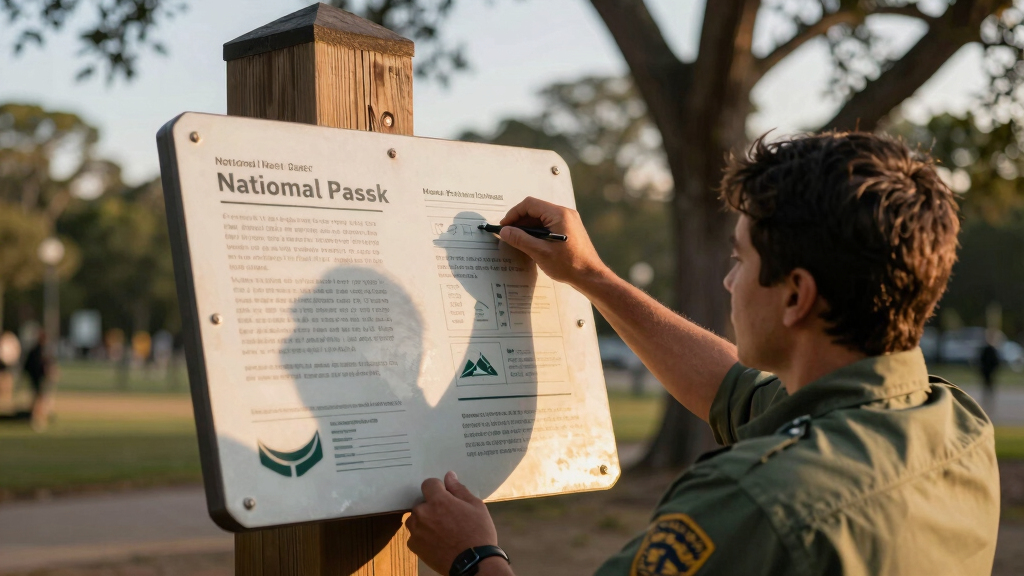
A federal judge has ordered the Biden administration to restore signs and exhibits at national parks that were removed under the Trump administration. This ruling addresses concerns over censorship and historical accuracy. The government has 21 days to comply.
A federal judge has ordered the Biden administration to reinstall signs and exhibits at national parks that were removed by the Trump administration, citing concerns over censorship and the misrepresentation of American history. The ruling underscores ongoing disputes over how U.S. history is presented in public spaces and highlights legal challenges to the previous administration’s policies.
U.S. District Judge Angel Kelley in Boston issued a preliminary injunction requiring the Biden administration to restore signs and exhibits related to topics like slavery and climate change within 21 days. The order follows a lawsuit filed by groups including the National Parks Conservation Association and the American Association for State and Local History, which argued that the Trump administration’s removals were unlawful and aimed at erasing parts of American history.
The Trump administration, under President Donald Trump, had removed these signs following an executive order signed in March 2025. The order targeted what it called a “revisionist movement” that portrayed the U.S. as “inherently racist, sexist, oppressive, or otherwise irredeemably flawed,” and directed the Interior Department to address what it described as “false revision of history.”
Officials from the Interior Department did not immediately comment on the ruling, and the department previously stated that their policy aimed to ensure parks told the “full and accurate story of American history.” The plaintiffs argued that the removals violated congressional mandates governing over 430 national park sites and lacked lawful justification.
Legal Win Reinforces Historical Preservation in Parks
This ruling emphasizes the importance of preserving historical accuracy and the integrity of national parks. It signals a legal stance against efforts perceived as censorship of American history and could influence future policies on how history is presented in public spaces. The decision also raises questions about government authority and the limits of administrative discretion in managing national monuments and parks.
As an affiliate, we earn on qualifying purchases.
Background on Park Sign Removals and Executive Orders
In March 2025, President Donald Trump signed an executive order targeting what he called a “revisionist movement” that aimed to portray the U.S. as fundamentally flawed. The order prompted the Interior Department to remove or alter signs and exhibits related to sensitive topics such as slavery and climate change across national parks. Critics argued that these actions undermined the educational and historical missions of the parks and violated existing congressional mandates.
The plaintiffs in the current case contended that the removals were unlawful, lacked proper explanation, and amounted to censorship. The case reflects broader debates over how American history should be presented in public spaces and the role of government in shaping historical narratives.
“The removal of these signs undermines the integrity of the National Parks and sets a dangerous precedent of censorship and sanitization.”
— U.S. District Judge Angel Kelley
climate change educational exhibits
As an affiliate, we earn on qualifying purchases.
As an affiliate, we earn on qualifying purchases.
Remaining Questions About Implementation and Scope
It is not yet clear how the Biden administration will comply with the court order, including whether all signs and exhibits will be reinstated exactly as before. Details about which specific signs are affected and how the government plans to implement the order remain to be seen. Additionally, the potential for further legal challenges or appeals has not been addressed.
As an affiliate, we earn on qualifying purchases.
Next Steps in Enforcement and Potential Legal Challenges
The Biden administration is expected to restore the signs within 21 days, as ordered. Further legal proceedings could follow if either side contests the implementation or if additional disputes arise over the scope of the reinstatement. Monitoring of the parks and exhibits involved will provide insight into how the order is carried out and whether it sets a precedent for future disputes over historical representation in federal sites.
American history educational posters
As an affiliate, we earn on qualifying purchases.
As an affiliate, we earn on qualifying purchases.
Key Questions
Which signs and exhibits are affected by this order?
The order pertains to signs and exhibits related to topics like slavery and climate change that were removed by the Trump administration. Specific details about individual signs have not been publicly disclosed.
Will all signs be reinstated exactly as they were?
The court has ordered reinstatement within 21 days, but it remains unclear whether all signs will be restored exactly as before or if some modifications will occur.
Could the government appeal this ruling?
Yes, the Biden administration could choose to appeal the decision, which might delay the reinstatement process or lead to further legal proceedings.
What is the significance of this ruling for future park policies?
This ruling affirms the importance of maintaining accurate and comprehensive historical displays in national parks and may influence future policies regarding how history is presented in federal sites.
Source: Google Trends
Fall Picks
fall essentials
As an affiliate, we earn on qualifying purchases.