
TL;DR

Get smart everyday buys delivered free with Prime
- Fast, free delivery on millions of items
- Prime Video, Amazon Music and more included
- Member-only deals all year
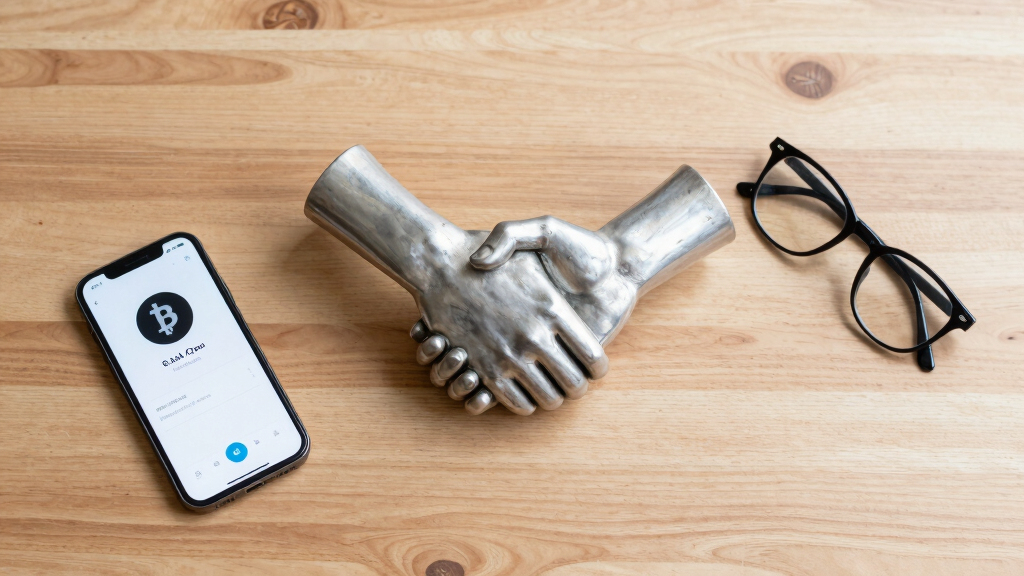
The handshake continues to be the primary greeting in America despite challenges from health concerns and alternative gestures. Its future remains uncertain as social norms evolve.
The handshake remains the dominant greeting in America, despite health concerns and the emergence of alternative gestures, and it is unclear whether it will be replaced in the future.
Historically, the handshake has been a staple of American etiquette, symbolizing respect and mutual acknowledgment. Even during the COVID-19 pandemic, when health officials advised against physical contact, the practice persisted as vaccines and masks allowed a return to pre-pandemic norms.
In recent years, some experts and observers have questioned the gesture’s appropriateness, citing issues of dominance, aggression, and hygiene. For example, some have criticized overly firm handshakes as attempts to assert dominance, while others note that a weak or clammy grip can undermine professionalism.
Alternative greetings like fist bumps, elbow taps, and head nods have gained popularity, especially among younger generations and in casual settings. The fist bump, in particular, is seen as a hygienic and socially acceptable substitute, though its appropriateness in formal contexts remains debated.
Despite these shifts, the handshake remains deeply ingrained in American social and business culture, and many believe it will endure. However, some experts suggest that changing social norms and health considerations could eventually lead to a decline in its use.
Why It Matters
The persistence or decline of the handshake impacts social interactions, business etiquette, and cultural norms in America. As society evolves, understanding whether this tradition will survive influences how Americans greet one another in personal and professional contexts.
Products Worth Considering

Logitech MX Keypad Programmable Macro Pad for Developers, Graphite

LG UltraGear 32GX850A-B 32-inch 4K UHD Glossy OLED Gaming Monitor

Ledger Nano X Bluetooth Crypto Wallet
As an affiliate, we earn on qualifying purchases.
Background
The handshake has been a fixture of American etiquette for over a century, with its origins rooted in medieval and early modern customs. Its resilience was tested during the COVID-19 pandemic, which temporarily challenged its prevalence. Despite health concerns, it largely returned to normal, though debates about its appropriateness continue. Alternative greetings have been proposed for decades, but none have replaced the handshake entirely.
“The handshake remains the dominant greeting in America, despite health concerns and the emergence of alternative gestures, and it is unclear whether it will be replaced in the future.”
— The Atlantic
“The fist bump satisfies our desire for physical contact without engaging in full-on, palm-to-palm intimacy.”
— James Hamblin
What Remains Unclear
It is still unclear whether the handshake will decline significantly in the coming years or remain the dominant greeting in American culture. The acceptance of alternatives and changing social norms are still evolving.
What’s Next
Future developments include observing whether institutions and individuals adopt new greeting practices more broadly, especially in formal settings. Experts will continue to monitor cultural shifts and health guidelines that influence social interactions.
Key Questions
Will the handshake eventually be replaced entirely in America?
It is uncertain. While alternative greetings like fist bumps are gaining popularity, the handshake remains deeply ingrained, and its future depends on cultural and social acceptance.
Are there formal settings where the handshake is still preferred?
Yes, in many professional and diplomatic contexts, the handshake continues to be the standard greeting, though some institutions are exploring or adopting alternatives.
Could health concerns permanently alter greeting customs?
Potentially. The COVID-19 pandemic prompted reconsideration of physical contact, and some changes may persist if health concerns remain prominent or if new health threats emerge.
Is there a cultural shift away from physical greetings in America?
There is evidence of a shift, especially among younger generations, toward more casual or contactless greetings, but the handshake remains prevalent overall.
Source: The Atlantic