

The best financial planning tools for students fall into two camps: hands-on planners that build tracking habits, and educational workbooks that teach the money skills most schools skip. My top overall pick is the Clever Fox Budget Book 2.0, which balances a durable design, a clear monthly layout, and enough structure to keep a busy student consistent without feeling like homework. For readers who want to learn why budgeting works, Mastering Money stands out as a workbook that doubles as a personal finance course, while the College Budget Planner and Vision Board Journal wins on student-specific framing. The main tradeoff in this category is depth versus simplicity — comprehensive guides demand more time, while lightweight trackers are easier to stick with but teach less. Keep reading for the full breakdown of all 14 options and which one fits your goals.

Get smart everyday buys delivered free with Prime
- Fast, free delivery on millions of items
- Prime Video, Amazon Music and more included
- Member-only deals all year
Key Takeaways
- The lineup splits cleanly into trackers, teaching workbooks, and hybrid planners — the top-ranked picks are hybrids because students need both habit and knowledge, not one or the other.
- Student-specific tools (the College Budget Planner and College Student Budget Planner & Financial Literacy Workbook) outperformed generic adult planners for dorm life, meal plans, and irregular income from part-time work.
- Undated formats dominated the top tier because dated planners punish students who start mid-semester or fall off for a month — a real pattern among first-time budgeters.
- Visual and infographic formats (The Infographic Guide to Personal Finance) ranked well for beginners despite thinner tracking features, because comprehension gaps are the biggest barrier for students starting from zero.
- Single-purpose tools like the Debt Payoff Planner and First Paycheck diary only earn a spot for specific situations — they solve one problem well but leave gaps if used as a student’s only planning tool.
| College Budget Planner and Vision Board Journal |  | Best Overall for Student Goal-Setting | Cover Color: Navy Blue/Yellow | Interior Color: Color | Format: Undated | VIEW LATEST PRICE | See Our Full Breakdown |
| Mastering Money: A Hands-On Workbook on Personal Finance |  | Best for Learning the Why Behind Budgeting | Format: Hands-on workbook | Audience: Students, teens, and families | Core Topics: Money management, debt reduction, wealth building | VIEW LATEST PRICE | See Our Full Breakdown |
| Budget Planner – Monthly Finance Organizer with Expense Tracker (Silvery, A5) |  | Best Build Quality | Size: A5 (8.6 x 5.9 inches) | Paper Weight: 100gsm | Binding: Metal lay-flat twin-wire | VIEW LATEST PRICE | See Our Full Breakdown |
| SUNEE Budget Planner – Monthly Budget Book with Expense Tracker |  | Best Value Starter Planner | Brand: SUNEE | Size: A5 (6.4 x 8.3 inches) | Pages: Approximately 120 pages per year | VIEW LATEST PRICE | See Our Full Breakdown |
| Financial Literacy for College Students and Teens: Master These 9 Money Management Skills |  | Best Focused Skills Primer | Format: Educational book | Audience: College students and teens | Core Content: 9 money management skills | VIEW LATEST PRICE | See Our Full Breakdown |
| The Financial Planning Workbook: A Comprehensive Guide to Building a Successful Financial Plan (2025 Edition) |  | Best for Long-Term Planning | Format: Paperback workbook | Edition: 2025 Edition | Focus: Full financial plan building | VIEW LATEST PRICE | See Our Full Breakdown |
| Taja Budget Planner, Undated Budget Book with Expense Tracker, 6.9″ x 9.9″ |  | Best All-in-One Organizer | Size: 6.9″ x 9.9″ | Type: Undated budget planner | Pages: Undated monthly layout | VIEW LATEST PRICE | See Our Full Breakdown |
| Budget Planner with Bill Organizer and Expense Tracker |  | Best Paper Quality | Binding: Twin-wire | Pages: Approximately 60 pages (12 months x 8 pages + additional pages) | Material: Premium thick, archival-quality paper | VIEW LATEST PRICE | See Our Full Breakdown |
| Clever Fox Budget Book 2.0 – Rose Gold Financial Planner and Monthly Bill Log |  | Best Portable Pick | Brand: Clever Fox | Dimensions: 5.3 x 7.7 inches | Paper Quality: 120gsm | VIEW LATEST PRICE | See Our Full Breakdown |
| College Student Budget Planner & Financial Literacy Workbook |  | Best Student-Specific Pick | Format: Workbook with planner pages | Target Audience: College students | Focus: Financial literacy plus budgeting | VIEW LATEST PRICE | See Our Full Breakdown |
| Debt Payoff Planner – 8.5″x11″ Financial Tracker Notebook, 53 Sheets |  | Best for Debt Focused Students | Size: 8.5″ x 11″ | Sheets: 53 | Brand: Qzyoneei | VIEW LATEST PRICE | See Our Full Breakdown |
| Monthly Budget Planner with Expense Tracker Notebook, B5 (7.3″ x 10.15″) |  | Best Full System | Size: B5 (7.3″ x 10.15″) | Number of Inserts: 15+ | Cover Material: PVC waterproof | VIEW LATEST PRICE | See Our Full Breakdown |
| The Infographic Guide to Personal Finance: A Visual Reference for Everything You Need to Know | 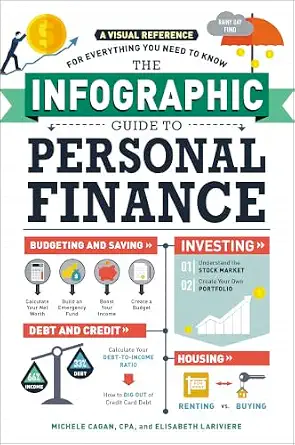 | Best Learning Companion | Format: Printed book | Style: Visual infographic reference | Topics Covered: Budgeting, saving, investing, credit, financial planning | VIEW LATEST PRICE | See Our Full Breakdown |
| First Paycheck: My Weekly Money & Savings Diary |  | Best for First Jobbers | Format: Weekly money and savings diary | Tracking Period: 52 weeks | Features: Income tracker, expense log, savings goal pages | VIEW LATEST PRICE | See Our Full Breakdown |
| financial planning tools for student | Format |
|---|---|
| College Budget Planner and Vis | Undated |
| Mastering Money: A Hands-On Wo | Hands-on workbook |
| Budget Planner | Undated |
| SUNEE Budget Planner | Undated, 12-month |
| Financial Literacy for College | Educational book |
| The Financial Planning Workboo | Paperback workbook |
| Taja Budget Planner | — |
| Budget Planner with Bill Organ | Undated |
| Clever Fox Budget Book 2.0 | — |
| College Student Budget Planner | Workbook with planner pages |
| Debt Payoff Planner | Debt tracking notebook |
| Monthly Budget Planner with Ex | — |
| The Infographic Guide to Perso | Printed book |
| First Paycheck: My Weekly Mone | Weekly money and savings diary |
More Details on Our Top Picks
College Budget Planner and Vision Board Journal
This option stands out for pairing budgeting with vision boarding, a combination that suits students who need motivation as much as math. Where the Mastering Money workbook teaches theory through exercises, this planner keeps the focus on daily and weekly habits, making it the better pick for someone who will actually fill in pages each month. The undated one-year format means a student can start in September or January without wasting pages. Compared with the SUNEE planner, the colorful interior and built-in financial tips give it more of a self-guided coaching feel, though the SUNEE has the sturdier cover. The tradeoff: no listed page count or dimensions, so buyers are gambling a bit on size and depth before it arrives.
Pros:- Combines budget tracking with vision board goal-setting
- Undated format lets students start any month
- Built-in financial tips teach while you plan
- Colorful interior keeps engagement high
Cons:- No page count or physical dimensions listed
- Less durable than water-resistant alternatives like the SUNEE planner
Best for: College students who want a single book that combines goal-setting, savings tracking, and monthly budgeting
Not ideal for: Buyers who want precise specs like page count and dimensions before purchasing — the listing leaves those out
- Cover Color:Navy Blue/Yellow
- Interior Color:Color
- Format:Undated
- Use Period:One year
- Included Features:Budget trackers, savings trackers, goal-setting sections, financial tips
- Audience:Students
Our verdict“This is the pick for students who know budgets fail without motivation — the vision board element keeps financial goals visible all year.”
Mastering Money: A Hands-On Workbook on Personal Finance
Most planners in this roundup assume you already understand interest rates and debt strategy; this workbook flips that assumption. Its exercise-driven approach walks students, teens, and families through managing money, beating debt, and building wealth, which makes it closer to a classroom text than a tracker. Compared with Financial Literacy for College Students and Teens, this one is broader — covering family money conversations rather than just nine skills — but it also means less depth on any single topic. There are no blank tracking pages here, so it works best alongside a planner like the Clever Fox Budget Book 2.0 rather than instead of one. The lack of reviews and detailed content listings makes it a leap of faith for cautious buyers.
Pros:- Hands-on exercises reinforce concepts instead of just explaining them
- Works for a wide age range, from teens to parents
- Covers debt reduction and wealth building, not just budgeting
Cons:- No customer ratings to gauge quality
- Vague content description makes scope hard to judge
- Not a functional planner for ongoing tracking
Best for: Students and families who want to build financial literacy together before committing to a tracking system
Not ideal for: Anyone who needs day-to-day expense tracking — this teaches concepts but has no ongoing budget pages
- Format:Hands-on workbook
- Audience:Students, teens, and families
- Core Topics:Money management, debt reduction, wealth building
- Teaching Style:Practical exercises and activities
- Tracking Pages:None — educational focus
Our verdict“Buy this if you want to understand money first and track it second — pair it with a planner for the full system.”
Budget Planner – Monthly Finance Organizer with Expense Tracker (Silvery, A5)
This is the most durable-feeling option in the batch, with 100gsm paper that resists bleed-through from gel pens and markers — a real advantage over the College Budget Planner, whose paper quality is unspecified. The metal lay-flat twin-wire binding is the standout feature for anyone who has fought a spiral notebook that won’t stay open on a cramped dorm desk. It covers 12 months of goals, expenses, and budgets in a portable A5 size, though its austere silver design reads more corporate than student-friendly compared with the colorful SUNEE planner. That restraint is also its appeal: no stickers, no frills, just a clean tracking system. The missing page count and absence of extras mean you are paying for materials, not features.
Pros:- 100gsm paper handles most inks without bleed-through
- Lay-flat twin-wire binding is ideal for desk use
- A5 size slips easily into a backpack
- Undated start means no wasted pages
Cons:- No page count listed, so total capacity is unclear
- Spare design lacks the engagement features students may want
- No extras like stickers or tips sections
Best for: Students who write with fountain pens or markers and need paper that won’t bleed through
Not ideal for: Students wanting an engaging, colorful planning experience — this is deliberately plain
- Size:A5 (8.6 x 5.9 inches)
- Paper Weight:100gsm
- Binding:Metal lay-flat twin-wire
- Cover Color:Silvery
- Format:Undated
- Coverage:12 months of budgets, expenses, and goals
- Pages:Not specified
Our verdict“This planner makes the most sense for students who value paper quality and durability over colorful motivation.”
SUNEE Budget Planner – Monthly Budget Book with Expense Tracker
This SUNEE planner delivers the most complete package for the price: roughly 120 pages of tracking, full-page calendars, tabbed sections, bonus stickers, and a water-resistant cover that no other planner in this batch can claim. That cover alone makes it the sensible choice for students tossing it into a backpack next to a leaky water bottle. Compared with the silver A5 Budget Planner, it trades premium 100gsm paper for color, organization, and fun — a reasonable swap for a first-time budgeter. Its roughly one-year lifespan matches most other undated planners here, but the basic tracking structure may frustrate anyone who has already outgrown beginner layouts, in which case the Clever Fox Budget Book 2.0 offers more sophistication.
Pros:- Water-resistant cover survives backpack life
- Bonus stickers and colorful tabs make budgeting approachable
- Full-page calendars aid month-level planning
- 90-day warranty is rare for a paper planner
Cons:- Too basic for advanced or zero-based budgeting
- Limited to roughly one year of use
- Paper quality is not in the same class as 100gsm competitors
Best for: First-year students who want an affordable, engaging, all-in-one starter planner
Not ideal for: Experienced budgeters who want advanced category tracking and detailed analytics-style layouts
- Brand:SUNEE
- Size:A5 (6.4 x 8.3 inches)
- Pages:Approximately 120 pages per year
- Format:Undated, 12-month
- Cover:Durable, water-resistant
- Extras:Bonus stickers, full-page calendars, tabbed sections
- Warranty:90 days
- Model Number:S-B2047
Our verdict“The best entry point for a student starting their first budget — durable, fun, and organized without a big investment.”
Financial Literacy for College Students and Teens: Master These 9 Money Management Skills
Where Mastering Money casts a wide net across families and wealth building, this book narrows to nine specific money management skills aimed squarely at students and teens chasing financial independence. That focus is its strength: a reader gets a digestible, structured path rather than a sprawling curriculum. It sits alongside The Infographic Guide to Personal Finance as one of the pure-education picks in this roundup — there is nothing to write in, so it cannot replace a tracker like the SUNEE planner. The structure of nine discrete skills makes it easy to read one chapter per week across a semester. The drawbacks are transparency-related: no detailed feature list and no reviews, so buyers cannot verify depth before committing.
Pros:- Tightly focused on nine practical, sequential skills
- Specifically aimed at students and teens, not general adults
- Short, structured format fits a semester reading pace
Cons:- No customer reviews or ratings to verify quality
- No specifications or content details listed
- Purely educational — no tracking or planning pages
Best for: Teens or underclassmen who want a quick, structured primer before their first real budget
Not ideal for: Students who already know the basics and need a working tracker, not a skills reader
- Format:Educational book
- Audience:College students and teens
- Core Content:9 money management skills
- Goal Focus:Financial independence
- Tracking Pages:None — educational focus
Our verdict“A sensible first read for a student who wants core money skills distilled into nine manageable lessons.”
The Financial Planning Workbook: A Comprehensive Guide to Building a Successful Financial Plan (2025 Edition)
Most planners in this roundup are monthly trackers, but this workbook takes the wider view: it walks readers through building a full financial plan rather than just logging expenses. For a student who wants to think beyond this semester’s spending — think career budgeting, savings timelines, and financial goals — this is the more strategic option compared with the College Student Budget Planner & Financial Literacy Workbook, which focuses on day-to-day habits. The practical exercises are what make it useful: instead of passively reading, readers fill in their own numbers and finish with an actual plan. The tradeoff is that it’s a teaching tool, not an organizational one — there are no sticker sheets, pockets, or dated pages like the Taja planner offers.
Pros:- Teaches complete financial planning rather than just monthly tracking
- Practical exercises help readers build a personalized plan
- Updated for 2025, so guidance reflects current financial realities
- Works as a reference to revisit across multiple years of school
Cons:- No built-in tracking tools like expense pages or pockets found in dedicated planners
- No customer reviews available, making quality harder to judge before buying
Best for: Students who want to build a full financial plan and learn planning concepts, not just track monthly spending
Not ideal for: Anyone who wants a fill-in tracker for daily expenses — this teaches planning rather than organizing receipts and bills
- Format:Paperback workbook
- Edition:2025 Edition
- Focus:Full financial plan building
- Exercises:Included throughout
- Tracking Pages:Not included
- Audience:Adults and students building long-term plans
Our verdict“This is the pick for students who want to learn how to plan their financial future rather than simply log this month’s spending.”
Taja Budget Planner, Undated Budget Book with Expense Tracker, 6.9″ x 9.9″
The Taja stands out for sheer completeness: monthly pages, debt and savings trackers, a guidebook, sticker sheets, an elastic band, and a dual-sided storage pocket all come in the box. Compared with the Clever Fox Budget Book 2.0, which is compact but pared down, the Taja’s larger 6.9″ x 9.9″ format gives students room to actually write out a full month of expenses without cramming. The undated pages are a genuine perk for students — skip a summer month without wasting pages. That said, you have to hand-write every date, which gets tedious if you fall behind, and the guidebook is introductory material that a finance major would find too basic.
Pros:- Covers income, expenses, savings, and debt tracking in one book
- Bonus stickers and guidebook help budgeting beginners stay engaged
- Durable build with elastic band and dual-sided pocket for receipts and cards
- Undated pages let students start any month without wasted pages
Cons:- Undated format means manually writing dates on every page
- Larger size makes it less portable than the Clever Fox or A5 planners
Best for: Students who want one notebook that handles income, expenses, savings goals, and debt in a single organized place
Not ideal for: Minimalists or students who only track spending sporadically — the manual date-filling and extra sections become chores
- Size:6.9″ x 9.9″
- Type:Undated budget planner
- Pages:Undated monthly layout
- Trackers:Debt and savings trackers included
- Extras:Sticker sheets, guidebook, elastic band, dual-sided pocket
- Start Date:Any time
Our verdict“The most complete package here — best for students who want every budgeting element organized in one sturdy notebook.”
Budget Planner with Bill Organizer and Expense Tracker
What separates this planner from the SUNEE and Taja options is the archival-quality thick paper — no bleed-through from gel pens or markers, which matters for students who like color-coding their budgets. The twin-wire binding also lies flat on a cramped dorm desk, something glued spines struggle with. Structured as 12 months x 8 pages, it covers a full year of tracking, and the undated pages plus inner pocket and elastic closure keep it functional long-term. The drawbacks are real though: the publisher doesn’t publish dimensions, and the design is plain compared with the colorful Clever Fox layouts, so students wanting visual motivation may find it dull.
Pros:- Premium thick, archival-quality paper prevents ink bleed-through
- Twin-wire binding lies flat for comfortable desk use
- Full one-year structure with 8 pages per month
- Inner pocket and elastic closure add practical durability
Cons:- No published dimensions, making size a guess before ordering
- Basic design may feel bland compared with colorful alternatives
Best for: Students who write heavily with ink or markers and want a durable, no-frills year-long tracker
Not ideal for: Students who want visual appeal and personality in their planner — the design is utilitarian
- Binding:Twin-wire
- Pages:Approximately 60 pages (12 months x 8 pages + additional pages)
- Material:Premium thick, archival-quality paper
- Use Duration:1 year
- Format:Undated
- Extras:Inner pocket, elastic closure
- Dimensions:Not specified by manufacturer
Our verdict“The most durable one-year tracker in this lineup — pick it if paper quality and longevity matter more than style.”
Clever Fox Budget Book 2.0 – Rose Gold Financial Planner and Monthly Bill Log
At 5.3 x 7.7 inches, the Clever Fox slips into a backpack side pocket — something the bigger Taja planner simply can’t do — making it the right choice for students who budget between classes rather than at a desk. Despite the small footprint, it packs in savings, bill, and debt trackers, plus 120gsm paper that holds up better than typical budget notebooks. Compared with the Budget Planner with Bill Organizer, it trades paper thickness and a year-long layout for portability and visual appeal, with colorful layouts and a faux leather cover that make budgeting feel less like a chore. The catch: complex finances outgrow it quickly, and the single rose gold colorway limits choice.
Pros:- Compact 5.3 x 7.7 inch size fits easily in a backpack or purse
- Colorful, engaging layouts help beginners stick with budgeting
- 120gsm paper resists bleed-through despite the small size
- Faux leather cover feels premium and protects pages
Cons:- Basic feature set — limited trackers for complex finances
- Only available in rose gold, with no color options
Best for: Students who want to track spending on the go and prefer an attractive, grab-and-go format
Not ideal for: Students juggling many income sources or dense monthly expenses — the small pages fill up fast
- Brand:Clever Fox
- Dimensions:5.3 x 7.7 inches
- Paper Quality:120gsm
- Material:Faux leather, paper
- Trackers:Savings, bills, debt payoff
- Model Number:CFBB2
- Color:Rose gold
Our verdict“The best choice for students who will actually carry their planner — small, attractive, and beginner-friendly.”
College Student Budget Planner & Financial Literacy Workbook
This is the only planner in this batch built specifically for college students, and it shows in the content: monthly budgeting, expense tracking, savings goals, debt management, and financial literacy lessons are woven together rather than treated separately. Compared with the Taja planner, which assumes you already know how to budget, this one teaches the habits alongside the tracking — closer in spirit to Mastering Money but with fill-in tools instead of just exercises. The student-focused framing (meal plans, part-time income, student loans) makes it more relevant than generic adult planners. The downside is thin product information: no published specs, page count, or ratings, so buyers are trusting the concept sight-unseen.
Pros:- Content tailored to college-specific finances like loans and part-time income
- Combines literacy education with practical tracking tools
- Covers debt management and savings goals alongside budgeting
- Encourages long-term responsible money habits, not just monthly logging
Cons:- No detailed specifications or page counts published
- Content may be too basic for students already comfortable with budgeting
Best for: First and second-year college students learning to manage money independently for the first time
Not ideal for: Students with established budgeting habits who just need tracking pages — the literacy content will feel redundant
- Format:Workbook with planner pages
- Target Audience:College students
- Focus:Financial literacy plus budgeting
- Tools Included:Monthly budgeting, expense tracker, savings goals, debt management
- Skill Level:Beginner
- Published Specs:Limited — no dimensions or page count listed
Our verdict“The best entry point for college students who need to learn money skills and track spending in the same place.”
Debt Payoff Planner – 8.5″x11″ Financial Tracker Notebook, 53 Sheets
Most budget planners in this roundup treat debt as one page among many, but this option flips the priority: every page is dedicated to balances, interest rates, due dates, and payoff milestones. For a student carrying credit card balances or loans, that singular focus is the whole point. Compared with the Monthly Budget Planner with Expense Tracker, which spreads attention across 15+ inserts, this notebook forces the discipline that debt reduction actually requires. The larger 8.5″x11″ format gives room for multiple accounts side by side. The tradeoff is real, though: there is no space for general budgeting, savings, or income planning, and the paper-only format means no automatic math or app syncing. Someone with a complicated debt stack may also find 53 sheets runs out faster than expected.
Pros:- Singular focus on debt makes repayment strategy clearer than general planners
- Large 8.5×11 format fits multiple accounts and milestones on one page
- Milestone tracking keeps motivation up during long payoff journeys
- Works for students, professionals, and families alike
Cons:- No general budgeting, savings, or income sections
- Paper-only with no digital or app integration
- 53 sheets may not last through extensive multi-debt tracking
Best for: Students juggling multiple credit cards or loans who want a dedicated system for tracking payoff progress
Not ideal for: Anyone wanting an all-in-one planner for everyday budgeting, since this only covers debt management
- Size:8.5″ x 11″
- Sheets:53
- Brand:Qzyoneei
- Model Year:2026
- Target Audience:Adult
- Format:Debt tracking notebook
- UPC:797541494923
Our verdict“This is the pick for students whose single biggest financial problem is debt and who want a tool built entirely around solving it.”
Monthly Budget Planner with Expense Tracker Notebook, B5 (7.3″ x 10.15″)
Where most student planners ask you to piece things together, this one ships as a complete budgeting ecosystem: monthly budget pages, expense detail sheets, debt and bill trackers, savings logs, and 15+ functional inserts in a single spiral-bound book. The build quality is what separates it from lighter options like the A5 Budget Planner or SUNEE Budget Planner — a waterproof PVC cover and 100 GSM paper mean it survives a backpack and a spilled coffee. The colorful tabs and included stickers make navigation fast, which matters when you’re logging expenses between classes. That said, it is strictly a budgeting tool. A student wanting financial education should pair it with The Infographic Guide to Personal Finance, because this planner tracks habits but does not teach them.
Pros:- 15+ inserts cover budgeting, debt, bills, and savings in one place
- Waterproof cover and thick 100 GSM paper hold up to daily campus abuse
- Tabs, stickers, ribbon bookmark, and pen holder make daily use faster
- Includes a user guide, so beginners are not left guessing the system
Cons:- Too large for anyone who prefers a compact, carry-everywhere planner
- Covers budgeting mechanics only — no education or advanced planning content
Best for: Students who want one durable, organized book to run their entire monthly budget without buying extras
Not ideal for: Minimalists and anyone wanting compact pocket portability — the B5 format plus spiral binding takes real bag space
- Size:B5 (7.3″ x 10.15″)
- Number of Inserts:15+
- Cover Material:PVC waterproof
- Paper Thickness:100 GSM
- Binding:Heavy-duty double spiral
- Includes:Tabs, stickers, ribbon bookmark, elastic pen holder, elastic band, inner pocket, user guide
Our verdict“The most complete physical budgeting system in this lineup, best for students ready to run their whole month from one book.”
The Infographic Guide to Personal Finance: A Visual Reference for Everything You Need to Know
Every tracker in this roundup helps you record money decisions; this book is the only one that helps you understand them. It explains budgeting, investing, credit, and financial planning through infographics rather than dense chapters, which suits students who zone out reading traditional finance texts. Compared with Financial Literacy for College Students and Teens, which focuses on nine specific skills, this guide takes a wider survey of personal finance as a whole, making it a better shelf reference than a course of study. The honest limitation: it is deliberately shallow. Complex topics like investing strategy get a page, not a chapter, and there is nothing interactive — no worksheets, no tracking pages. It pairs best with a hands-on tool like First Paycheck rather than replacing one.
Pros:- Infographic format makes dense financial topics genuinely approachable
- Broad coverage from budgeting to investing in one compact reference
- Fast to revisit as a quick lookup guide rather than a full read
Cons:- Surface-level treatment of complex topics like investing
- No interactive elements, worksheets, or digital content
Best for: Visual learners who want a readable overview of personal finance before committing to any planning system
Not ideal for: Students who want depth or interactivity — explanations are brief and there are no worksheets or digital extras
- Format:Printed book
- Style:Visual infographic reference
- Topics Covered:Budgeting, saving, investing, credit, financial planning
- Audience:Beginners and visual learners
- Interactivity:None (reference only)
- ASIN:1507204663
Our verdict“Buy this to learn the concepts, and buy a separate tracker to apply them — it is a reference, not a system.”
First Paycheck: My Weekly Money & Savings Diary
There is a gap between knowing finance theory and managing your first real income, and this diary is built specifically for that moment. The 52-week income tracker plus expense log and savings goal pages walk a teen or student through a full year of habit-building — something no adult-oriented planner in this roundup attempts. Compared with the Debt Payoff Planner, which starts from the assumption you already have problems to fix, this one starts earlier: building good habits before bad ones form. It also avoids the overwhelm of the 15-insert Monthly Budget Planner, keeping the format simple enough that a first-time earner will actually keep using it. The main caution is the thin public record — no ratings and minimal listed specs — so you are buying on concept rather than proven quality.
Pros:- 52-week structure builds consistent money habits over a full year
- Combines income tracking, expense logging, and savings goals in one simple format
- Beginner-friendly design that avoids overwhelming first-time money managers
Cons:- No reviews or ratings available to verify quality
- Minimal published specifications on page count or materials
- Too basic for anyone past the beginner stage
Best for: Teens and students starting their first job who need a simple year-long habit-building system
Not ideal for: Students with established budgets or existing debt — the format is too basic for real repayment strategy
- Format:Weekly money and savings diary
- Tracking Period:52 weeks
- Features:Income tracker, expense log, savings goal pages
- Audience:Teens and students
- Focus:Financial literacy and habit building
- ASIN:B0GDGYZG5Y
Our verdict“The right first money tool for a student with a brand-new paycheck — as long as they do not need anything more advanced yet.”

How We Picked
My evaluation started with a simple question: will a student actually still use this in week six? That meant weighing usability factors like page layout clarity, portability for a backpack, undated versus dated formats, and whether the monthly workflow takes minutes or hours. I also graded each product on educational depth, because many students have never built a budget before — a tracker with no explanation fails a beginner, while a 300-page finance guide fails someone who just needs structure.
From there, I scored each option on durability and build quality (paper weight, binding, cover material), value for money relative to page count and features, and fit for student realities like irregular income, semester-based expenses, and shared housing costs. Products that assumed a salaried adult with a mortgage ranked lower for this audience regardless of quality. The final ordering reflects a blend: hybrid tools that teach and track landed at the top, pure trackers and pure workbooks filled the middle, and niche single-purpose tools rounded out the list with clearly labeled use cases.
Factors to Consider When Choosing Financial Planning Tools For Students
Before picking a specific product, it helps to understand what actually separates a tool a student uses all semester from one that gets abandoned by October. These are the factors that shaped my ranking — and the mistakes I see first-time budgeters make most often.Tracker, Workbook, or Hybrid?
The single biggest decision is what job you need the tool to do. A tracker (like a classic budget planner) assumes you already know what a budget is and just need a place to log spending — it works well but teaches nothing. A workbook teaches concepts like interest, credit scores, and debt payoff but often lacks ongoing tracking pages. Hybrids attempt both, and in my ranking they consistently performed best for students precisely because most students are learning and building habits simultaneously. The common mistake here is buying a dense 300-page guide when the real problem is simply not knowing where money goes each week. Be honest about whether your gap is knowledge or discipline, and buy for that gap.
Undated Beats Dated for First-Time Budgeters
Almost every top pick in this roundup is undated, and that’s not a coincidence. Students start budgets at odd times — mid-semester, after a financial scare, at the beginning of a summer job — and a dated planner that starts in January wastes months of pages if you buy it in March. More importantly, undated formats forgive failure: if you skip three weeks of tracking, you just pick up where you left off instead of burning blank pages. Dated planners can work for highly disciplined users who like calendar alignment, but for a first attempt at money management, the flexibility of undated pages meaningfully improves the odds of sticking with it. This is the feature most buyers overlook and most regret ignoring.
Size and Portability for Campus Life
A planner that lives on your desk at home doesn’t get used — budgeting happens in the moment, at the coffee shop, the bookstore, the grocery run. A5-sized planners (roughly 5.9 x 8.3 inches) fit in most backpacks and side pockets, which is why several of them rank highly despite fewer features than their larger B5 and 8.5 x 11 counterparts. Larger formats like the Debt Payoff Planner give you room to write and see the big picture, but they’re genuinely awkward to carry daily. My advice: match size to when you’ll actually log expenses. If you record spending same-day around campus, go smaller. If you sit down once a week for a money check-in, a larger format earns its space.
Paper Quality and Build (Yes, It Matters)
It’s tempting to dismiss paper specs as trivial, but a student budget planner gets flipped through daily for months. Thin paper means ink bleed-through, and once you can read last month’s expenses through the current page, the tool becomes frustrating to use. The better options in this list use 100gsm paper or similar heavyweight stock that handles gel pens and markers without ghosting. Binding matters too: spiral bindings lie flat for writing on a cramped library desk, while glued bindings look nicer but fight you. A few dollars more for solid construction is one of the few places in this category where paying up genuinely pays off, because a planner that physically falls apart by spring won’t finish the job.
Student-Specific Features Versus Generic Adult Planning
Many popular budget planners are built for households: mortgage categories, childcare, insurance line items. Students have different realities — tuition payment schedules, meal plan balances, textbook spikes, refund disbursements, and income that swings with work-study or seasonal jobs. Tools designed for students, like the College Budget Planner and Vision Board Journal, structure categories around semester cycles, which reduces setup friction and makes the numbers actually match your life. A generic planner can absolutely work if you’re willing to rewrite the category pages yourself, but expect to spend an hour customizing it before you track a single dollar. That setup friction is where a lot of budgeting attempts quietly die.
When to Buy More Than One Tool
One pattern from this comparison: the best setup for many students is a cheap tracker plus a used workbook, rather than one expensive all-in-one. A $12 expense tracker handles daily logging, while a one-time read through a financial literacy book fills the knowledge gap permanently — you don’t need to re-read it every month, so owning a $30 comprehensive guide isn’t necessary when a library copy or infographic summary covers the concepts. Where this doesn’t work: if you know you won’t maintain two separate things, buy the best hybrid you can afford and accept the compromise. The worst outcome isn’t picking the wrong single tool — it’s buying three tools and using none of them. Pick one starting point, run it for a full month, and only add a second tool if you identify a specific gap.
Frequently Asked Questions
Should a student start with a budget planner or a financial literacy workbook?
It depends on which problem you actually have. If you genuinely don’t know where your money goes each week, a tracker fixes that immediately and a workbook can wait. But if you’ve never learned concepts like compound interest, credit scores, or how loan interest accrues while you’re in school, a literacy workbook addresses a gap that tracking alone won’t close — you can log every expense and still make expensive mistakes. The hybrids in this roundup exist precisely because most students need both, and they’re a reasonable starting point if you don’t want to juggle two products. My honest recommendation: start with a tracker or hybrid now, because behavior change takes weeks to build, and add a workbook over a break when you have reading time.
Are paper planners actually better than budgeting apps for students?
Neither is universally better, but paper has real advantages for the student use case. Writing expenses by hand creates stronger memory and awareness of spending than passive app tracking, and there’s no bank-account linking that can silently miscategorize things or stop working. Paper also can’t send shame notifications or tempt you into checking your phone mid-lecture. Where apps win: automatic transaction import, real-time balance sync, and shared budgets with a roommate or partner. Many students I’d point toward a hybrid approach — paper for the weekly review and planning ritual, an app for passive transaction capture. If you choose only one, pick paper if your problem is mindfulness, and an app if your problem is forgetting to record things at all.
How much should a student spend on a financial planning tool?
The sweet spot in this category is $10 to $25, and the good news is that several of the best performers sit at the low end of that range. Below $10 you start losing paper quality and binding durability, which matters over a full school year of daily use. Above $30 you’re usually paying for premium packaging or a hardcover format that looks great but doesn’t track money any better — that money would do more work in your emergency fund. The one exception worth paying up for: if a pricier comprehensive guide will genuinely get read cover to cover and replace a $100 personal finance course, the cost per lesson is still low. For most students, though, a mid-priced undated planner is the value play.
What if I start a planner and abandon it after a few weeks?
This is the most common failure mode, and the fix is usually structural, not motivational. First, check whether your tool demands too much granularity — if you’re logging every $2 coffee across twenty categories, simplify to five broad ones and track weekly instead of daily. Second, make sure you’re using an undated format, because a dated planner with months of blank pages becomes a guilt object you avoid opening. Third, tie the habit to something you already do: log spending right after your Sunday night homework session rather than trusting yourself to remember Tuesday. Finally, consider switching formats — some people who fail with analytical trackers thrive with visual tools like the vision board planner or a debt payoff tracker with progress coloring, because the reward is seeing the picture change rather than tallying numbers.
Do I need a special planner if I have student loans and part-time income?
You don’t strictly need one, but student-specific tools make a real difference in setup and relevance. Loan disbursements, refund checks, and semester-based tuition deadlines don’t fit the monthly income model most generic planners assume, and part-time income that swings week to week breaks the fixed-income budgeting template entirely. A student-oriented planner pre-builds categories for these cycles, so you spend less time redesigning pages and more time tracking. That said, a strong generic undated planner works fine if you’re willing to customize the category pages on day one and track income as it arrives rather than as a monthly average. If loan payoff is your main goal after graduation, a dedicated Debt Payoff Planner becomes worth adding — but during school, cash-flow visibility matters more than payoff strategy.
Conclusion
The right pick comes down to what kind of money manager you are today, not what you hope to become. For best overall, the Clever Fox Budget Book 2.0 earns the top spot with its durable build, clear monthly workflow, and beginner-friendly structure that works for a first-time budgeter and still holds up a year later. The best value pick is the SUNEE Budget Planner, which delivers a complete undated 12-month system at a price that leaves room in the budget it’s meant to protect.
For beginners starting from zero financial knowledge, Mastering Money and the Infographic Guide to Personal Finance teach the fundamentals before habits matter — pick the workbook if you learn by doing and the infographic guide if you learn by seeing. Students who want the premium experience should look at The Financial Planning Workbook (2025 Edition), the most complete guide in the lineup for readers ready to treat finances like a real project. For specific needs: the Debt Payoff Planner for anyone attacking balances, First Paycheck for students navigating a first job’s weekly income, and the College Budget Planner and Vision Board Journal for anyone who wants goals and numbers on the same page. Whatever you choose, pick one tool, run it for a full month, and let the results — not the packaging — tell you what to buy next.
Halloween Picks
halloween
As an affiliate, we earn on qualifying purchases.