
Readers searching for Black Friday stock trading platforms will find a list of books here, rather than brokerage apps or software platforms. My best overall pick is The Day Trader’s Toolkit, which focuses on the tools and systems behind a trading setup; Mastering TradingView stands out for charting, while Stock Trading With Claude AI targets no-code screening. The main tradeoff is between broad trading foundations and focused instruction on a specific tool or strategy. These books can help you evaluate platforms, but they do not provide brokerage access or guarantee trading results. Continue reading for the full comparison and guidance on choosing a book that matches your experience and interests.

Get smart everyday buys delivered free with Prime
- Fast, free delivery on millions of items
- Prime Video, Amazon Music and more included
- Member-only deals all year
Key Takeaways
- The Day Trader’s Toolkit is the broadest match for readers researching trading software and setup components, while the other titles tend to teach a strategy or a narrower tool.
- Mastering TradingView is the most direct choice for readers who already want to learn a particular charting platform; it is less suitable for someone still comparing brokerages.
- The AI titles split into distinct uses: Claude-based screener building, AI trading and research concepts, algorithmic system development, and AI-assisted options analysis.
- Several books focus on trading methods rather than platform selection, including technical analysis, day trading, forex, and weekly options; readers should check that subject matches their intended market.
- The list contains no brokerage platform products, so it cannot establish which service has the best execution, account fees, data access, or regulatory protections.
| How I Built a Trading Neural Network: The TNN White Paper (Trading Neural Network Series) |  | Best for Neural Network Research | Format: White paper | Subject: Building a trading neural network | Series: Trading Neural Network Series | VIEW LATEST PRICE | See Our Full Breakdown |
| The Ultimate Stock Market Trading Playbook: 5 Powerful Trading Strategies |  | Best for Structured Strategy Planning | Product type: Book | Subject: Stock market trading | Strategies covered: Five | VIEW LATEST PRICE | See Our Full Breakdown |
| Trading: Technical Analysis Masterclass |  | Best for Technical Analysis Study | Product type: Book | Subject: Trading | Stated focus: Technical analysis | VIEW LATEST PRICE | See Our Full Breakdown |
| Stock Market Basics: Essential Core Concepts In Technical Analysis for Trading Stocks, Options, Futures, And Forex |  | Best for Cross-Market Technical Analysis | Product type: Book | Subject: Technical analysis | Markets covered: Stocks | VIEW LATEST PRICE | See Our Full Breakdown |
| Liquidity, Markets and Trading in Action: An Interdisciplinary Perspective |  | Best for Market Structure Context | Product type: Book | Subject: Liquidity | Subject: Markets | VIEW LATEST PRICE | See Our Full Breakdown |
| The Day Trader’s Toolkit: Top Software, Platforms & Systems to Build Your Ultimate Trading Setup | 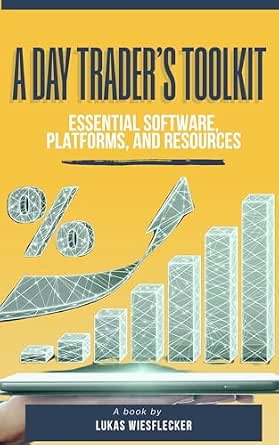 | Best for Comparing Trading Setups | Format: Not specified | Primary topic: Day-trading setup | Topics named in title: Software, platforms, and systems | VIEW LATEST PRICE | See Our Full Breakdown |
| Mastering TradingView: From Charting Basics to Pro-Level Automation |  | Best for TradingView Learners | Format: Not specified | Platform covered: TradingView | Starting topic: Charting basics | VIEW LATEST PRICE | See Our Full Breakdown |
| Options Trading: A Guide to Generating Weekly Income with Weekly Options |  | Best for Weekly Options Education | Format: Not specified | Primary topic: Options trading | Options focus: Weekly options | VIEW LATEST PRICE | See Our Full Breakdown |
| Stock Trading With Claude AI: Build a No-Code Day Trading Screener |  | Best for No-Code AI Screening | Format: Not specified | AI tool named: Claude AI | Workflow: No-code day-trading screener | VIEW LATEST PRICE | See Our Full Breakdown |
| Forex Day Trading: A Practical Guide to Day Trading Technique for Consistent Profit |  | Best for Cross-Market Day-Trading Concepts | Format: Not specified | Primary focus: Forex day trading | Trading style: Day trading | VIEW LATEST PRICE | See Our Full Breakdown |
| Algo Trading Cheat Codes: Techniques for Traders to Quickly and Efficiently Develop Better Algorithmic Trading Systems | 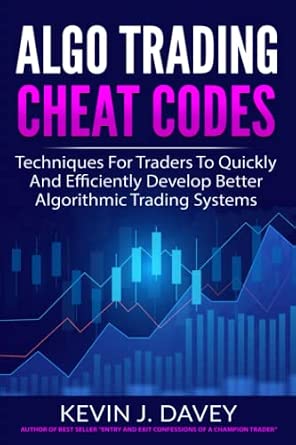 | Best for Improving Trading Automation | Format: Book | Series: Essential Algo Trading Package | Primary topic: Algorithmic trading systems | VIEW LATEST PRICE | See Our Full Breakdown |
| The Ultimate Day Trading Playbook |  | Best for Day Trading Foundations | Format: Not specified in product data | Edition: Not specified in product data | Primary topic: Day trading | VIEW LATEST PRICE | See Our Full Breakdown |
| The No-BS AI Trading Collection: AI for Trading and Market Research, AI Trading Bots, and Agentic AI for Traders |  | Best for Broad AI Trading Coverage | Format: 3 books in 1 | Primary topic: AI for trading | Coverage: AI for trading and market research | VIEW LATEST PRICE | See Our Full Breakdown |
| How to Use AI for Options Trading: A Step-by-Step Guide to Technical Options Trades |  | Best for AI-Assisted Options Trading | Format: Not specified in product data | Primary topic: AI for options trading | Stated format of instruction: Step-by-step guide | VIEW LATEST PRICE | See Our Full Breakdown |
| How to Day Trade for a Living: A Beginner’s Guide to Trading Tools and Tactics, Money Management, Discipline, and Trading Psychology |  | Best for Beginner Day Trader Discipline | Format: Book | Series: Stock Market Trading and Investing | Audience: Beginners | VIEW LATEST PRICE | See Our Full Breakdown |
| Black Friday stock trading platform | Format |
|---|---|
| How I Built a Trading Neural N | White paper |
| The Ultimate Stock Market Trad | — |
| Trading: Technical Analysis Ma | Not specified |
| Stock Market Basics: Essential | — |
| Liquidity | — |
| The Day Trader’s Toolkit: Top | Not specified |
| Mastering TradingView: From Ch | Not specified |
| Options Trading: A Guide to Ge | Not specified |
| Stock Trading With Claude AI: | Not specified |
| Forex Day Trading: A Practical | Not specified |
| Algo Trading Cheat Codes: Tech | Book |
| The Ultimate Day Trading Playb | Not specified in product data |
| The No-BS AI Trading Collectio | 3 books in 1 |
| How to Use AI for Options Trad | Not specified in product data |
| How to Day Trade for a Living: | Book |
More Details on Our Top Picks
How I Built a Trading Neural Network: The TNN White Paper (Trading Neural Network Series)
This white paper is the most specialized pick in this group: its subject is building a trading neural network, rather than learning broad technical analysis or comparing trading platforms. That focus may suit readers who want to investigate how neural networks could be applied to trading. The available product information is sparse, though, and gives no detail about methods, examples, prerequisites, or whether it offers practical platform guidance. Compared with Trading: Technical Analysis Masterclass, which is framed around technical analysis, this title points toward a narrower computational topic. Neither listing provides enough information to judge depth or usability, so buyers should avoid assuming it includes working software, code, or instructions for choosing a broker. It is a research-oriented reading choice, not a documented platform comparison.
Pros:- Focuses specifically on trading neural networks
- White paper format signals a focused topic
- Part of the Trading Neural Network Series
Cons:- The listing provides no detail on methods or contents
- No stated platform features or broker comparisons
- The required background and practical scope are unclear
Best for: Readers researching the idea of applying neural networks to trading who are comfortable evaluating a short product description
Not ideal for: People choosing a stock broker or trading app who need verified platform features, fees, or account details
- Format:White paper
- Subject:Building a trading neural network
- Series:Trading Neural Network Series
- Product type:Book
- Trading focus:Neural networks
- Platform details:Not provided
Our verdict“Choose this for a focused introduction to the subject of trading neural networks, not for help comparing platforms.”
The Ultimate Stock Market Trading Playbook: 5 Powerful Trading Strategies
Five strategies give this playbook a clear practical focus: stock selection, entry timing, and risk management are all named in the product description. For a reader comparing Black Friday platform options, that material could help clarify what tools matter to their own process, such as screening or charting. It does not, however, identify or compare any trading platforms, and the listing provides no specifics about the strategies or how they are taught. Compared with Stock Market Basics, which spans technical analysis across several asset classes, this title is more directly centered on stock trading decisions. That narrower remit may be easier to connect to a stock-focused workflow, while leaving broader market concepts and platform capabilities unanswered. Treat it as strategy education, not a platform buying guide.
Pros:- Covers five trading strategies
- Addresses stock selection and entry timing
- Includes a risk management focus
- A stock-centered scope can help readers define their trading workflow
Cons:- The listing does not describe the five strategies in detail
- No broker or platform comparisons are provided
- The teaching format and level of experience required are unspecified
Best for: Stock traders who want a strategy-focused reading companion before deciding which screening and charting tools they need
Not ideal for: Buyers seeking a direct comparison of brokerage apps, order types, account features, or platform costs
- Product type:Book
- Subject:Stock market trading
- Strategies covered:Five
- Focus:Stock selection
- Focus:Entry timing
- Focus:Risk management
Our verdict“Pick this to explore stock trading strategies and risk management, while looking elsewhere for platform comparisons.”
Trading: Technical Analysis Masterclass
Technical analysis is the only clearly stated focus of this book, making it a possible fit for readers who want to study chart-based trading concepts before selecting a platform. That subject is relevant to platform choice because charting tools vary, but the available listing says nothing about which techniques appear, how advanced the material is, or whether it addresses stocks specifically. In contrast, The Ultimate Stock Market Trading Playbook explicitly names stock selection, entry timing, and risk management. This title may appeal to readers who want a masterclass-style treatment of technical analysis, but its description does not substantiate the scope implied by the title. It also offers no evidence of platform instruction, so readers comparing trading apps will need a separate source for features and account details.
Pros:- Clearly identified technical analysis subject
- Trading-focused title
- May complement platform charting research
Cons:- The listing does not specify the book’s contents or format
- Stock-specific coverage is not confirmed
- No platform, broker, or trading tool details are provided
Best for: Readers who want a book centered on technical analysis and plan to assess its contents before purchase
Not ideal for: New platform shoppers who need confirmed stock-specific lessons or side-by-side broker and app capabilities
- Product type:Book
- Subject:Trading
- Stated focus:Technical analysis
- Format:Not specified
- Asset class coverage:Not specified
- ASIN:1795471859
Our verdict“Consider this for technical analysis study, but choose a different resource for verified platform comparisons.”
Stock Market Basics: Essential Core Concepts In Technical Analysis for Trading Stocks, Options, Futures, And Forex
This is the broadest asset-class introduction among the five, covering technical analysis for stocks, options, futures, and forex. That range can help readers who want one conceptual starting point before deciding whether a platform’s charting tools support the markets they follow. Its breadth comes with a tradeoff: the description itself warns that the material may feel dense to absolute newcomers, and it does not cover wider investment fundamentals. Compared with Trading: Technical Analysis Masterclass, this listing spells out its intended markets and beginner-to-intermediate focus more clearly. It also promises practical examples and techniques, though no specific examples are identified. Buyers should see it as a market-analysis companion; it does not provide the broker features or platform comparisons needed to make a Black Friday platform choice by itself.
Pros:- Covers stocks, options, futures, and forex
- Focuses on core technical analysis concepts
- Description identifies beginner-to-intermediate readers
- Promises practical examples and actionable techniques
Cons:- May be dense for absolute newcomers
- Does not cover broader investment fundamentals
- Does not compare trading platforms or brokers
Best for: Beginner-to-intermediate traders who want technical analysis concepts spanning stocks and other markets
Not ideal for: Absolute beginners seeking a gentle introduction to investing fundamentals or shoppers comparing brokerage platforms directly
- Product type:Book
- Subject:Technical analysis
- Markets covered:Stocks
- Markets covered:Options
- Markets covered:Futures
- Markets covered:Forex
- Intended level:Beginner to intermediate
Our verdict“Choose this for cross-market technical analysis basics if you are ready for more than a beginner-level introduction.”
Liquidity, Markets and Trading in Action: An Interdisciplinary Perspective
This book takes the widest conceptual angle in the batch, examining liquidity, markets, and trading through an interdisciplinary lens. That context can help a reader think beyond chart features when evaluating platforms, since liquidity relates to how markets function and trades are handled. The listing does not say whether it gives practical guidance for individual stock traders, however, or whether it discusses brokerage software at all. Compared with The Ultimate Stock Market Trading Playbook, which names concrete decision areas such as entry timing and risk management, this title appears more suited to classroom or conceptual study than to shaping a trading routine. Its placement makes sense for readers curious about market mechanics, but those choosing a platform will still need explicit information about available markets, order handling, and tools.
Pros:- Connects liquidity, markets, and trading
- Uses an interdisciplinary perspective
- Part of the Classroom Companion: Business series
Cons:- The listing does not specify practical guidance for individual stock traders
- Platform and broker coverage is not described
- The content depth and format are not provided
Best for: Business students and curious traders seeking broader context on liquidity, markets, and trading
Not ideal for: Retail stock traders who need hands-on platform guidance, trading strategies, or broker feature comparisons
- Product type:Book
- Subject:Liquidity
- Subject:Markets
- Subject:Trading
- Perspective:Interdisciplinary
- Series:Classroom Companion: Business
Our verdict“Choose this for broader market context, not as a direct guide to selecting a stock trading platform.”
The Day Trader’s Toolkit: Top Software, Platforms & Systems to Build Your Ultimate Trading Setup
The Day Trader’s Toolkit is the broadest setup-oriented pick in this group: its title points to software, platforms, and systems, making it a possible starting point for readers deciding what their trading workflow should include. That scope gives it a different job from Mastering TradingView, which focuses on one charting platform, and Stock Trading With Claude AI, which centers on a specific no-code screener concept. The limitation is that the available product information offers no chapter list, supported platforms, or details about the systems covered, so I can’t judge how current or actionable its recommendations are. Stock trading is relevant to the roundup, but this is a guide to building a day-trading setup rather than a platform comparison focused on Black Friday offers. Readers should check the contents before relying on it to choose software.
Pros:- Explicitly covers software, platforms, and systems
- Takes a trading-workflow angle rather than focusing on one tool
- May help readers identify areas to research before choosing software
Cons:- The supplied product data does not describe its specific recommendations or methods
- No platform names, supported devices, or update details are provided
- Its day-trading focus may not suit long-term investors
Best for: Aspiring day traders who want an overview of the kinds of software, platforms, and systems that can make up a trading setup
Not ideal for: Buyers looking for verified platform comparisons, current Black Friday offer details, or a clearly documented step-by-step setup
- Format:Not specified
- Primary topic:Day-trading setup
- Topics named in title:Software, platforms, and systems
- Trading style:Day trading
- Specific platforms:Not specified
- Publication or update details:Not provided
Our verdict“Choose this as a broad setup-planning read if you are comfortable checking the contents before using it to compare trading tools.”
Mastering TradingView: From Charting Basics to Pro-Level Automation
Mastering TradingView gives this roundup its clearest single-platform focus, moving from charting basics toward advanced automation according to its title. That makes it a more targeted choice than The Day Trader’s Toolkit, whose broad software-and-systems framing may help with setup planning but doesn’t identify a particular platform. For a buyer comparing trading tools around Black Friday, a guide to one platform can help clarify whether its charting and automation approach fits their needs; it does not establish which platform has the best offer or what features are available in a particular plan. The product data supplies no chapter list, format, or examples, so I can’t assess how much of the promised automation is covered. Readers who want a side-by-side platform comparison should look elsewhere.
Pros:- Names TradingView as its specific subject
- Covers a progression from charting fundamentals to advanced automation
- Offers a focused alternative to broader setup guides
Cons:- The supplied data does not explain which automation topics or examples are included
- Does not provide a comparison with other trading platforms
- No format or publication details are available
Best for: New or intermediate traders who have chosen TradingView and want to learn charting before exploring automation
Not ideal for: Shoppers comparing several stock trading platforms or buyers who need verified current plan and feature details
- Format:Not specified
- Platform covered:TradingView
- Starting topic:Charting basics
- Advanced topic:Pro-level automation
- Other platforms covered:Not specified
- Publication or update details:Not provided
Our verdict“Pick this if your learning goal is TradingView charting and automation, rather than comparing platforms or their offers.”
Options Trading: A Guide to Generating Weekly Income with Weekly Options
Options Trading is the most strategy-specific pick here: it focuses on weekly options and aims to address different market conditions. That makes it more relevant to options traders than Mastering TradingView, which is about charting and automation, or the broader The Day Trader’s Toolkit. But a strategy guide is not the same as a stock trading platform roundup. The available description does not identify strategies, risk controls, examples, or the author’s approach, so the title’s income goal alone isn’t enough to judge how useful or balanced the advice is. Weekly options can require close attention to timing and risk; readers should verify what the book actually covers before treating it as a practical trading plan. It won’t help compare broker tools or Black Friday offers.
Pros:- Focuses specifically on weekly options
- Positions its approach around different market conditions
- Provides a more specialized topic than general setup guides
Cons:- The supplied data does not identify the strategies or risk controls covered
- The income goal is not enough to assess the practical approach
- Does not compare brokers, platforms, or their features
Best for: Options traders who specifically want to research weekly options approaches across changing market conditions
Not ideal for: Beginners seeking a documented risk-management curriculum, long-term investors, or buyers comparing stock trading platforms
- Format:Not specified
- Primary topic:Options trading
- Options focus:Weekly options
- Stated objective:Generating weekly income
- Market conditions:Different conditions, as described
- Specific strategies:Not provided
Our verdict“Consider this only if weekly options are your specific learning goal and you can first confirm the book’s strategy and risk coverage.”
Stock Trading With Claude AI: Build a No-Code Day Trading Screener
Stock Trading With Claude AI has the most distinctive workflow in this batch: it describes a no-code screener that finds setups, explains news, rates signals, and sends TradingView charts to a phone. That makes it more concrete about a proposed process than The Day Trader’s Toolkit, whose supplied data names broad setup categories but no specific functions. It also complements Mastering TradingView: this guide describes using charts in an AI-assisted workflow, while the TradingView title focuses on learning the platform itself. The tradeoff is that the product data gives no details about setup requirements, accuracy, safeguards, or how the tools connect. Readers should treat signal ratings as inputs to evaluate, not trading instructions. It describes a day-trading screener, not a broker or stock trading platform deal.
Pros:- Describes a no-code day-trading screener concept
- Includes finding setups and explaining news
- Covers rating signals and sending TradingView charts to a phone
- Connects AI research tasks with a charting workflow
Cons:- The supplied data does not explain setup steps or required subscriptions
- No accuracy, testing, or signal-validation details are provided
- Not a stock trading platform comparison
Best for: Tech-curious day traders who want to explore a no-code workflow using Claude AI and TradingView charts
Not ideal for: Investors seeking a broker comparison, verified automated signals, or a guide with documented setup requirements
- Format:Not specified
- AI tool named:Claude AI
- Workflow:No-code day-trading screener
- Setup discovery:Finding trading setups
- News feature:Explaining news
- Signal feature:Rating signals
- Charting tool named:TradingView
- Chart delivery:Sending charts to a phone
Our verdict“Choose this to explore an AI-assisted screening workflow if you are prepared to verify its setup needs and judge signals independently.”
Forex Day Trading: A Practical Guide to Day Trading Technique for Consistent Profit
Forex Day Trading is the broadest market guide in this batch, naming forex, oil, precious metals, commodities, stocks, and currency trading. That range gives it a different angle from Options Trading, which concentrates on weekly options, and from the platform-focused Mastering TradingView. Its described subject is day-trading techniques and systems, so stock traders may find some cross-market context, but the available data does not explain which methods apply to stocks or how they are adapted. The title’s emphasis on consistent profit also can’t establish what the guide teaches or how it handles risk. This is a trading-methods book, not a tool for comparing stock platforms or Black Friday offers. Readers who trade only stocks may prefer a more directly targeted guide.
Pros:- Takes a practical day-trading approach according to the description
- Names multiple markets, including stocks
- Covers trading systems and strategies
Cons:- The supplied data does not explain which techniques apply to each market
- Specific strategies and risk-management details are not provided
- Its forex-led focus may be less useful to stock-only traders
Best for: Active traders interested in day-trading methods across forex and several other markets, including stocks
Not ideal for: Long-term investors or stock-only buyers who want detailed broker and platform comparisons
- Format:Not specified
- Primary focus:Forex day trading
- Trading style:Day trading
- Markets named:Forex, oil, precious metals, commodities, stocks, and currency trading
- Topics described:Trading systems, techniques, and strategies
- Investor horizon:Day trading; not positioned for long-term investing
Our verdict“Choose this if you want a cross-market day-trading guide and are willing to confirm how much of its advice applies to stocks.”
Algo Trading Cheat Codes: Techniques for Traders to Quickly and Efficiently Develop Better Algorithmic Trading Systems
Algo Trading Cheat Codes is the most directly focused pick here for readers who want to improve how they develop automated trading systems. Its emphasis on efficient system development gives it a different job from The No-BS AI Trading Collection, which spans AI research, bots, and agentic tools. That narrower focus may suit traders looking to refine their automation process without starting with a broad AI survey. The product details, however, do not identify programming languages, supported platforms, or the techniques covered, so readers cannot tell how closely it fits their current setup. It is also described as part of the Essential Algo Trading Package, which may appeal to readers building a broader study plan. I would skip it if you need a clearly specified, platform-specific manual.
Pros:- Focuses on efficient development of algorithmic trading systems
- Targets traders seeking to improve trading automation
- Belongs to the Essential Algo Trading Package
- Offers a more focused automation topic than the broader AI collection
Cons:- Product details do not identify programming languages or supported platforms
- May not provide enough depth for advanced quantitative developers
- The description does not specify particular techniques or examples
Best for: Traders who already have an automated strategy and want guidance on developing its systems more efficiently
Not ideal for: Quantitative developers seeking verified advanced methods, named programming languages, or compatibility with a specific trading platform
- Format:Book
- Series:Essential Algo Trading Package
- Primary topic:Algorithmic trading systems
- Stated focus:Efficient system development
- Audience:Traders seeking to improve automation
- Programming language:Not specified in product data
Our verdict“Choose this guide if your main learning goal is improving algorithmic system development and you can verify that its methods fit your tools.”
The Ultimate Day Trading Playbook
The Ultimate Day Trading Playbook brings together day trading basics, strategy learning, risk management, and mindset guidance. That combination makes it a broader starting point than Algo Trading Cheat Codes, which focuses on building automated systems rather than general day trading practice. The emphasis on managing risk gives readers a reason to look beyond tactics alone, while the mindset material addresses the discipline active trading demands. Still, the available description does not name its strategies, explain how risk is handled, or provide format and edition details. That leaves less to judge than with How to Day Trade for a Living, whose described topics include tools, money management, and trading psychology. I would treat this as an introductory overview, not a ready-made playbook for a particular platform or trading style.
Pros:- Covers day trading basics and strategies
- Includes guidance on managing trading risk
- Addresses the mindset side of trading
- Takes a broader introductory approach than an automation-focused guide
Cons:- Product data does not describe specific strategies or chapters
- Format and edition details are not provided
- The description does not identify tools or trading platforms
Best for: Newer day traders seeking a general introduction that includes risk management and trading mindset
Not ideal for: Readers who need named strategies, platform-specific instructions, or detailed contents before choosing a guide
- Format:Not specified in product data
- Edition:Not specified in product data
- Primary topic:Day trading
- Stated coverage:Basics and strategies
- Risk coverage:Trading risk management
- Additional focus:Trading mindset
Our verdict“Pick this as a general day trading introduction if you are comfortable with limited detail about its specific strategies and format.”
The No-BS AI Trading Collection: AI for Trading and Market Research, AI Trading Bots, and Agentic AI for Traders
The No-BS AI Trading Collection is the widest-ranging AI choice in this batch: its three-book format covers market research, trading bots, and agentic AI. That breadth sets it apart from How to Use AI for Options Trading, which is framed around technical options trades, and from Algo Trading Cheat Codes, which centers on system development. Readers exploring several ways AI might fit into a trading workflow may prefer the collection’s range. The tradeoff is that the provided details do not explain how deeply each subject is covered, which tools are addressed, or what prerequisites apply. Its title signals multiple areas of interest, but not whether the material suits a beginner or a technically experienced trader. I would choose it for topic breadth and look for more detail before expecting platform-specific guidance.
Pros:- Combines three books in one collection
- Covers AI for trading and market research
- Includes AI trading bots and agentic AI topics
- Spans more AI trading areas than the options-specific AI guide
Cons:- Product details do not describe the methods or depth in each book
- No supported AI tools or trading platforms are identified
- The intended technical level is not specified
Best for: Traders curious about AI research, bot-based trading, and agentic AI who want those topics gathered in one collection
Not ideal for: Buyers who need a specific AI tool, trading platform, options method, or clearly described level of technical depth
- Format:3 books in 1
- Primary topic:AI for trading
- Coverage:AI for trading and market research
- Bot topic:AI trading bots
- Additional topic:Agentic AI for traders
- Trading platform:Not specified in product data
Our verdict“Choose this collection if you want a broad introduction to AI trading topics and do not require a named tool or platform.”
How to Use AI for Options Trading: A Step-by-Step Guide to Technical Options Trades
How to Use AI for Options Trading has the narrowest stated focus in this batch: applying AI to technical options trades through a step-by-step guide. That makes it a more targeted choice than The No-BS AI Trading Collection, which also covers market research, bots, and agentic AI. For a reader specifically interested in options, the focus may make the subject easier to match to a learning goal. Yet the supplied product data gives no details about the AI methods, options strategies, tools, or level of experience required. The title promises a guided approach, but does not establish which trading platforms it addresses or how its instructions handle risk. Compared with the broader day trading guides, this is a specialist topic with less information available to judge its practical fit.
Pros:- Focuses specifically on AI for options trading
- Frames its approach as step by step
- Addresses technical options trades
- Offers a narrower subject focus than the multi-topic AI collection
Cons:- Product details do not identify the AI tools or methods covered
- No specific options strategies are described
- Platform compatibility and risk guidance are not provided
Best for: Options traders interested in learning how AI might inform technical trades
Not ideal for: Beginners who need clearly identified options strategies, platform instructions, or risk-management details before selecting a guide
- Format:Not specified in product data
- Primary topic:AI for options trading
- Stated format of instruction:Step-by-step guide
- Trade focus:Technical options trades
- AI tools:Not specified in product data
- Trading platform:Not specified in product data
Our verdict“Consider this guide if AI-assisted options trading is your specific interest and you can confirm its methods match your needs.”
How to Day Trade for a Living: A Beginner’s Guide to Trading Tools and Tactics, Money Management, Discipline, and Trading Psychology
How to Day Trade for a Living is the clearest beginner-oriented pick here, with stated coverage spanning trading tools and tactics, money management, discipline, and trading psychology. That gives it a more grounded day trading scope than The Ultimate Day Trading Playbook, whose description does not identify particular strategies or contents. It also differs from Algo Trading Cheat Codes by focusing on a trader’s tools and habits rather than automated system development. The stated beginner focus is useful for readers building basic knowledge, though it may leave experienced traders looking for more advanced material. The product data identifies it as a book in the Stock Market Trading and Investing series, but does not specify a platform or edition. It is a learning guide, not a comparison of brokerage services.
Pros:- Covers trading tools and tactics
- Includes money management guidance
- Addresses discipline and trading psychology
- Names its beginner audience and series
Cons:- Beginner-focused scope may not satisfy experienced traders
- Product data does not identify a specific trading platform
- The description does not detail particular tactics or chapters
Best for: New day traders who want an introduction to tools, tactics, money management, and trading psychology
Not ideal for: Experienced traders seeking advanced quantitative methods or instructions for a specific brokerage platform
- Format:Book
- Series:Stock Market Trading and Investing
- Audience:Beginners
- Primary topic:Day trading
- Stated coverage:Trading tools and tactics
- Additional coverage:Money management, discipline, and trading psychology
Our verdict“Choose this book if you are starting out and want day trading guidance that pairs tactics with money management and discipline.”

How We Picked
I compared the 15 titles by how directly they help a reader make a Black Friday platform-related decision: understanding trading tools, learning a named software environment, building a screening or automated workflow, or developing the knowledge needed to use a platform. I gave the strongest fit to books with a clear connection to trading setups or specific tools, then placed strategy and market-foundation titles according to how useful they are as supporting education.
The ranking reflects the information available in each title, not hands-on testing or a review of the books’ full contents. A focused title can rank well for a particular need without being the best general choice. Since every item listed is a book, I did not treat any as a brokerage or software platform, and I could not compare live execution, fees, account requirements, or data quality.
Factors to Consider When Choosing Black Friday Stock Trading Platforms
Use these books to learn what to look for in trading tools, then evaluate actual brokerage or charting services separately. A good match depends on the market you trade, the level of instruction you need, and whether you want to understand a platform or learn a trading method.
Separate platform research from trading education
A book about technical analysis can help you understand charts without telling you whether a broker has dependable execution or the data you need. Before choosing a title, write down the decision you are trying to make: compare brokers, learn charting software, or study a trading method. This prevents a common mismatch where a strategy guide is mistaken for a platform review. For actual platforms, check account eligibility, supported markets, order types, data access, and how the service handles outages. Treat those details as a separate research task because they are not established by the titles in this roundup. If your main question is which broker to open an account with, these books alone cannot settle it.
Match the subject to the market you plan to trade
Stock, options, forex, and futures trading rely on different instruments and workflows, even when they share charting concepts. A forex day-trading book may offer useful ideas about routine or risk, but it will not answer every question about stock-market access. Options titles are more relevant if you need to understand contracts, expirations, and strategy-specific risks. New traders often choose material based on a catchy strategy label without checking whether it applies to their intended market. Confirm that the book’s subject matches the products available through the platform you are considering. If you are still deciding what to trade, start with foundational material before narrowing to a specialized tool.
Choose between a broad setup guide and a focused software guide
A broad trading-setup title can help you map the parts of a workflow, while a guide to a named product may teach more about that particular interface. The first is useful when you do not yet know which tools belong in your setup; the second makes more sense once you have chosen software and want to learn its features. A common mistake is paying attention to advanced functions before confirming that the platform supports your basic needs. Check whether you need charting, screening, alerts, automation, or brokerage access, since these may come from different services. Also verify that any software instructions still match the current version before relying on them. A focused guide has less value if the platform or workflow has changed since publication.
Treat AI and automation as tools that need oversight
AI screeners and automated strategies can speed up research, but they do not remove the need to check data, assumptions, and risk. Decide whether you want an introduction to AI-assisted market research, a no-code screener workflow, or technical ideas for building algorithmic systems; those are different learning goals. Beginners can mistake a generated signal for a reliable prediction, especially when examples omit weak or losing periods. Before using an automated output, ask what data it relies on, how it handles missing information, and whether the result can be reproduced. Paper trading can help reveal workflow problems without putting capital at immediate risk. A book can explain concepts, but it cannot validate that a strategy will work in current markets.
Compare the full cost and practical limits of a real platform
Trading software may sit alongside a brokerage account, market data subscription, or third-party research service, so the visible sign-up terms may not show the whole commitment. List the functions you need and find out which are included, which require a separate subscription, and whether access depends on account type or location. New users often focus on a feature checklist and overlook data delays, order-routing limits, or the learning time required to use the interface well. Consider whether the platform works on the devices you use and whether it offers a paper-trading environment. Compare support hours and account protections alongside interface features. These checks matter more to a platform choice than whether a related book covers a compelling trading technique.
Frequently Asked Questions
Are any of these books actual stock trading platforms?
No. All 15 entries are books about trading concepts, strategies, tools, or workflows. They do not provide a brokerage account, live market access, or order execution. If you are comparing services to place trades, research brokers and software providers directly. Use these books as educational material alongside that research, not as a substitute for it.
Which title should I choose if I am still comparing charting software?
The Day Trader’s Toolkit is the broader starting point for thinking about a trading setup, while Mastering TradingView is more specifically tied to one charting environment. Choose the broad guide if you have not decided what your workflow needs. Choose the TradingView-focused book if that platform is already on your shortlist and you want instruction centered on it. Neither title establishes how TradingView compares with other services on current features, data, or account costs.
Can a book on AI trading help me select a broker?
It can help you understand a research or automation workflow, but it does not settle broker-specific questions such as execution, supported order types, or account eligibility. The AI-related books in this list focus on different tasks, including screening, market research, algorithmic systems, and options analysis. Start by identifying which task matters to you, then check whether a potential broker or software service supports it. Confirm details with current provider documentation because tools and integrations can change. Keep AI-generated analysis under your own review.
Which book is a sensible starting point for a beginner?
Stock Market Basics is the clearest foundational fit based on its title, while How to Day Trade for a Living focuses on beginner-oriented trading tools, tactics, discipline, and money management. The better choice depends on whether you first need core market and technical-analysis concepts or a day-trading introduction. A beginner does not need to start with automation or options just because those topics sound advanced. Check the book’s contents and publication details before buying, and remember that education does not remove the risks of trading.
What should I verify before buying a Black Friday deal on trading software?
Check whether the offer covers the software itself, market data, a brokerage account, or only a limited trial, since these are often separate. Review renewal terms, supported devices, account or regional requirements, and which features remain available after any promotional period. Look for current details on data timing, order types, and integrations relevant to your intended market. A discounted subscription is poor value if it omits the function you need or is difficult to cancel. None of the books in this roundup verifies a live deal, so confirm terms with the provider before committing.
Conclusion
For the broadest introduction to trading tools and setup choices, I would start with The Day Trader’s Toolkit as the best overall fit in this list. Stock Market Basics is the best value in learning scope for a beginner who needs core concepts, while Mastering TradingView is the best focused pick for someone committed to that charting platform. Readers seeking a premium, specialized learning path may prefer the AI or algorithmic titles if they already understand the risks and have a specific workflow in mind. For options, forex, or day-trading tactics, choose the book written for that market rather than forcing a general guide to fit. Since this roundup contains books rather than brokerage products, compare actual platform costs, access, and trading features separately before opening an account.