
El Salvador's recent agreement with the IMF marks a turning point in its Bitcoin policy, shifting from mandatory acceptance to a more cautious approach. Now, businesses aren't required to accept Bitcoin, and it can't be used for tax payments. Yet, the government still sees value in acquiring Bitcoin. What does this mean for the future of cryptocurrency in the country, and how might it affect the broader market?

Get smart everyday buys delivered free — and shop member deals
- Fast, free delivery on millions of items
- Access to Prime Big Deal Days deals on October 6–7
- Prime Video, Amazon Music and more included
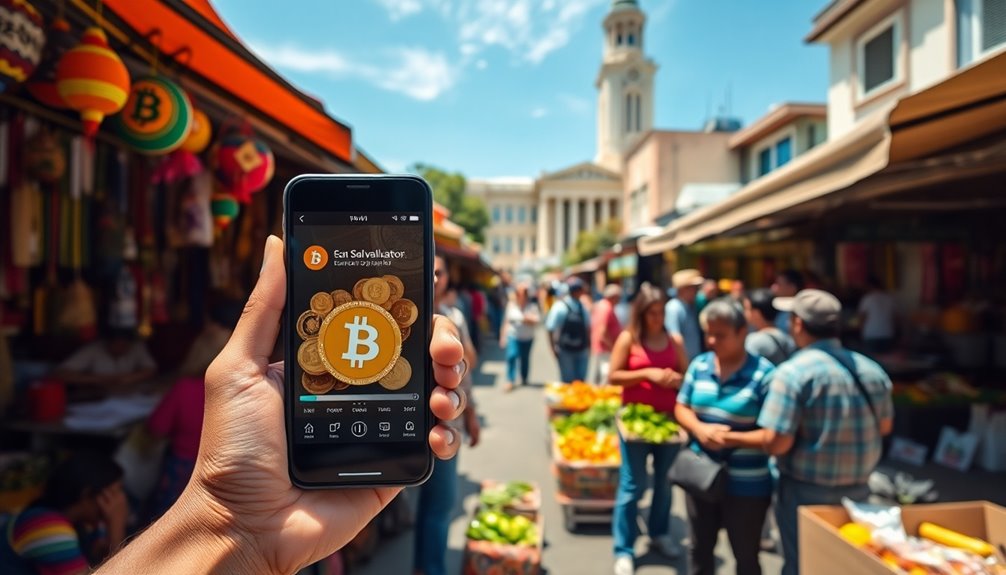
As El Salvador navigates the complex waters of cryptocurrency regulation, its recent $1.4 billion deal with the IMF marks a significant shift in the nation's Bitcoin policy. This agreement emphasizes a need for economic reforms while addressing the financial risks associated with Bitcoin. The IMF has long raised concerns about the instability Bitcoin could bring, and this deal hinges on El Salvador's commitment to mitigate those risks, including halting tax payments in Bitcoin.
One major outcome of the IMF agreement is the amendment of El Salvador's Bitcoin law. Previously, businesses were required to accept Bitcoin as payment, but now that's changed. Bitcoin's status as a mandatory currency has been reversed, making acceptance voluntary. This change not only alleviates pressure on businesses but also removes Bitcoin's previous designation as a currency.
While it remains categorized as "voluntary legal tender," it can no longer be used for tax payments or government fees, further clarifying its role in the economy. The amendments remove the classification of Bitcoin as a currency, illustrating the government's shift in approach.
The implications of this deal extend beyond immediate regulatory changes. The agreement aims to bolster fiscal and external stability in El Salvador, addressing broader economic concerns. By focusing on financial risks associated with Bitcoin's volatility, the government is expected to implement fiscal policy reforms that enhance efficiency and improve revenue mobilization.
Additionally, the inclusion of strong anti-corruption measures is crucial for rebuilding trust in the country's financial systems.
Interestingly, even with these regulatory changes, El Salvador continues to acquire Bitcoin, maintaining a strategic reserve. This suggests a nuanced approach—while the government recognizes the risks associated with Bitcoin, it still sees value in holding the cryptocurrency.
Private sector adoption is likely to persist, as businesses and citizens can now choose whether or not to engage with Bitcoin without legal compulsion.
As the regulatory environment around digital assets becomes more transparent, El Salvador's experience could serve as a template for other nations grappling with similar issues. The global implications of this deal might encourage other countries to rethink their stance on cryptocurrency regulation.
In essence, while Bitcoin's mandatory usage has been curtailed, its presence in El Salvador's economic landscape remains, driven by the choice of the private sector and individual citizens. This duality reflects a cautious yet progressive outlook on Bitcoin's role in the future of the nation's economy.
As an affiliate, we earn on qualifying purchases.
As an affiliate, we earn on qualifying purchases.
As an affiliate, we earn on qualifying purchases.
As an affiliate, we earn on qualifying purchases.
Halloween Picks
halloween
As an affiliate, we earn on qualifying purchases.