
TL;DR
Thorsten Meyer AI has published a guide and interactive infographic arguing that moving a loud AI workstation away from the user is the most effective late-stage noise control step. The guide says closet or remote-room setups can reduce perceived noise, but warns that enclosed rigs need ventilation because trapped heat can trigger throttling and louder fans.
Thorsten Meyer AI has published a workstation-noise guide that says the most effective late-stage fix for a loud high-power AI rig is moving it away from the user, not adding acoustic foam, a recommendation that matters for builders running hot GPU systems in offices, studios or shared rooms.
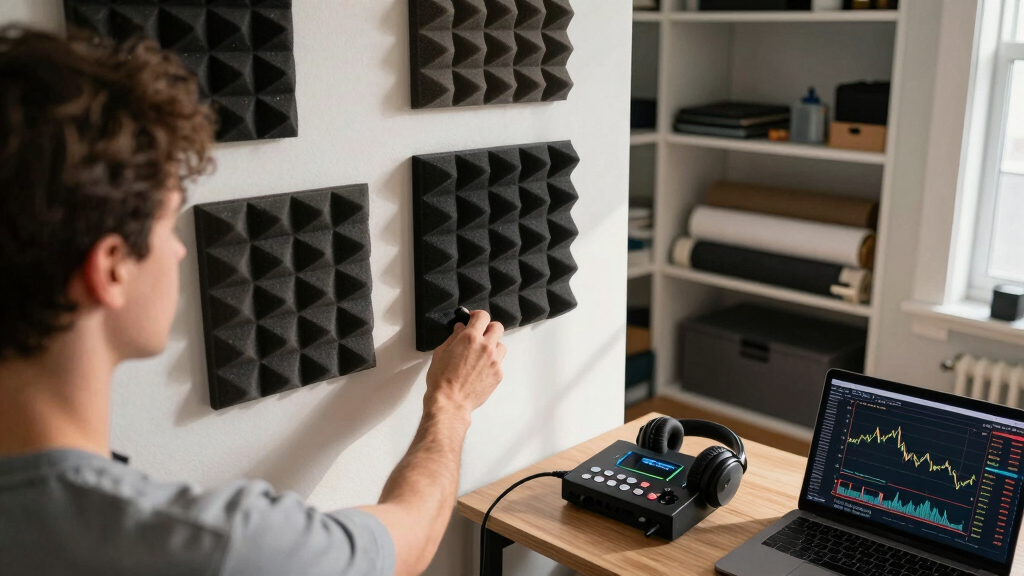
The guide, titled around acoustic dampening, placement and the “rig in the closet” setup, frames placement as the fifth lever in a broader series on reducing heat and noise in high-power AI workstations. It says users often buy foam first, but should first reduce noise at the source, add distance, and use barriers before relying on absorption panels.
Thorsten Meyer AI ranks the noise-control hierarchy as distance and isolation first, reducing noise at the source second, blocking transmission third and absorbing reflections last. The guide distinguishes airborne noise, such as fan whoosh and GPU hum, from structure-borne noise, such as vibration passing into a desk, floor or wall. It says foam can reduce reflections inside a room, while pads, rubber feet or other mechanical decoupling are needed for vibration.
The guide presents the closet setup as a strong option for reducing audible noise, but with a clear limit: heat must be removed. It warns that fully sealing a 24/7 high-power rig can trap hundreds of watts of heat, forcing the GPU to recirculate hot exhaust and potentially causing throttling and louder fan behavior.
Why It Matters
The guidance matters because more desktop users are running multi-GPU or high-wattage workstations for AI workloads, rendering and development tasks. These systems can be loud enough to affect calls, recording spaces and daily work, while the same hardware also produces enough heat to make simple enclosure-based fixes risky.
The report’s practical point is that noise fixes are not interchangeable. A foam panel may make a room sound less reflective, but it does not stop vibration through furniture and does not replace airflow planning for a closet or cabinet. For readers, the immediate takeaway is that the cheapest effective fix may be moving the rig, adding a door or barrier, or isolating vibration before buying more acoustic material.

Kisangel Thick Sponge Soundproof Enclosure Box, Black Sound Deadening Noise Reduction Barrier Generator Cover for Home Commercial Industrial Filter Shield, 11" X 9.8"
- Durable, Weather-Resistant Material: Resists moisture, dirt, and temperature changes
- Vibration Isolation: Reduces pump vibrations to extend lifespan
- Compact Space-Saving Design: Fits tight spaces without compromising soundproofing
As an affiliate, we earn on qualifying purchases.
As an affiliate, we earn on qualifying purchases.
Background
The source material describes the article as the final lever in a larger Thorsten Meyer AI pillar guide, “How to Reduce Heat and Noise in a High-Power AI Workstation.” Earlier steps referenced in the source include reducing noise at the source through settings, cooling, case choice and fan changes.
The new guide also includes an interactive infographic that sorts approaches by expected effect. It cites server-room and quiet-PC soundproofing references and says cabinet figures come from manufacturer specifications including StarTech, SysRacks and UCoustic. The source includes an affiliate disclosure and says some product links may generate qualifying commissions.
“The most powerful noise fix isn’t a material — it’s a floor plan.”
— Thorsten Meyer AI guide
“Distance beats foam — by a lot.”
— Thorsten Meyer AI guide
“Contain the noise, not the heat.”
— Thorsten Meyer AI guide

Focusound 52 Pack Acoustic Foam Panels 1" x 12" x 12" Sound Proof Foam Panles Soundproofing Noise Cancelling Wedge Panels for Home Office Recoding Studio with 300PCS Double-Side Adhesive
- Soundproofing Design: Triangular grooves for noise absorption
- Includes Adhesive Tape: 300pcs double-sided adhesive for easy installation
- Easy Shape Recovery: Reverts to shape after soaking in water
As an affiliate, we earn on qualifying purchases.
As an affiliate, we earn on qualifying purchases.
What Remains Unclear
The source does not provide a publication date, independent test data for a specific workstation, or measured before-and-after results for a closet setup. It also says enclosure performance varies by cabinet and environment, so readers should treat the cited reduction figures as manufacturer- and setup-dependent rather than universal.
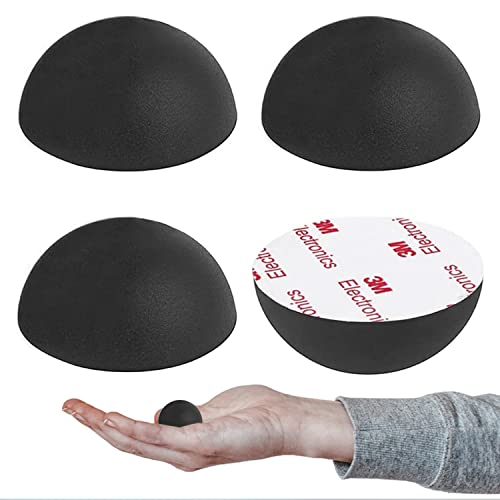
1.25" Subwoofer Speaker Isolation Pad with Adhesive Rubber Feet, 4 Packs
- Vibration Absorption: Absorbs up to 99% of vibrations
- Enhanced Sound Clarity: Improves mid-high to high frequencies
- Universal Compatibility: Supports up to 150 lbs of equipment
As an affiliate, we earn on qualifying purchases.
As an affiliate, we earn on qualifying purchases.
What’s Next
Readers applying the guidance would next need to identify whether their noise problem is airborne, structure-borne or heat-driven, then test lower-risk steps such as moving the rig, adding anti-vibration pads and improving exhaust airflow. For closet or cabinet setups, the next milestone is verifying temperatures under sustained load before treating the setup as suitable for 24/7 operation.

Easy Cloud Computer Fan with AC Plug, 120mm Variable Speed Axial Muffin PC Fan with Controller 120V 110V 220V Small 12V Case Cooling for PC Server Cabinet DVR TV Router Receiver Xbox Greenhouse
- Adjustable Fan Speed: Customize cooling intensity as needed
- AC Power Plug: Connects directly to AC outlets
- Long-lasting Bearings: Dual-ball bearings last 50,000 hours
As an affiliate, we earn on qualifying purchases.
As an affiliate, we earn on qualifying purchases.
Key Questions
What is the main recommendation in the guide?
The main recommendation is to move the workstation away from the user when possible. The guide says a rig in another room or isolated space can reduce perceived noise more effectively than foam added around a machine sitting nearby.
Does acoustic foam block computer noise?
According to the guide, foam can absorb reflections and reduce echo inside a room, but it does not block sound transmission well. For blocking sound, the guide points to barriers such as doors, dense panels, blankets or engineered cabinets.
Is a closet setup safe for a high-power AI workstation?
The guide says a closet setup can work for noise reduction, but only if heat can leave the space. It warns against fully sealing a 24/7 rig because trapped heat can lead to higher GPU temperatures, throttling and louder fans.
What should users try before buying foam panels?
The guide recommends distance, source-level noise reduction and barriers before foam. It also says anti-vibration pads or rubber feet can help when the problem is mechanical hum traveling into desks, floors or walls.
Source: Thorsten Meyer AI