
TL;DR

Get smart everyday buys delivered free — and shop member deals
- Fast, free delivery on millions of items
- Access to Prime Big Deal Days deals on October 6–7
- Prime Video, Amazon Music and more included
US inflation increased to 3.8% in April, the highest since May 2023, largely due to rising energy prices caused by the Iran conflict. This development influences Federal Reserve decisions and political dynamics ahead of midterms.
US inflation increased to 3.8% in April, the highest since May 2023, with energy costs primarily responsible, according to the Bureau of Labor Statistics (BLS). This rise is linked to the ongoing conflict involving Iran, which has affected oil prices and fuel costs nationwide.
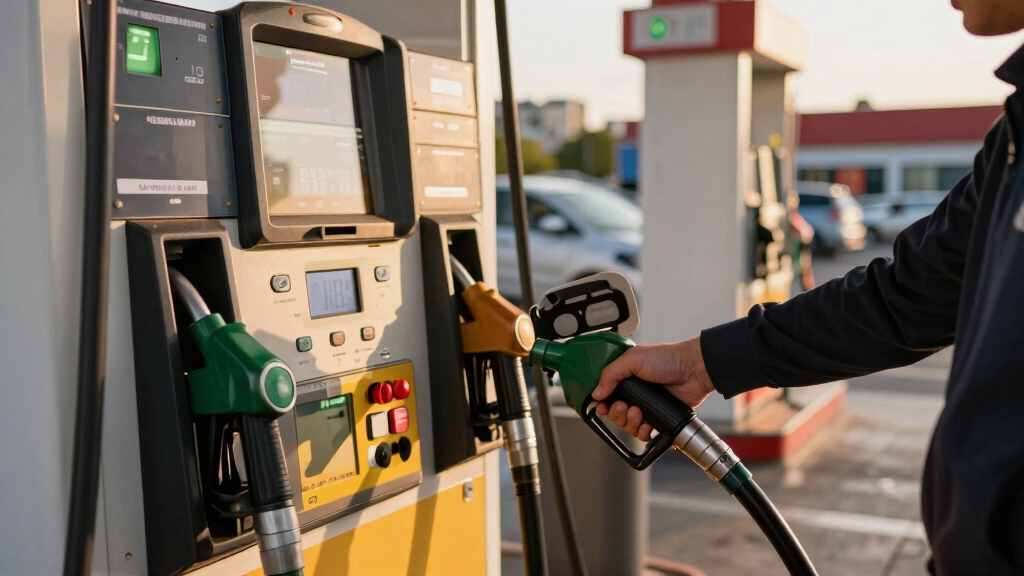
The Consumer Price Index (CPI) for April showed a 3.8% increase over the past 12 months, up from 3.3% in March. Nearly half of this increase is attributed to rising energy prices, driven by the escalation of the Iran war and the effective closure of the Strait of Hormuz, a critical shipping lane for oil. As a result, the national average gasoline price reached $4.50 per gallon, the highest since July 2022, according to AAA data.
In addition to energy, costs for groceries, airfares, and clothing also rose, while the price of new cars declined slightly. The spike in jet fuel prices has led US airlines to pass increased costs onto consumers, with airfare rising by 20.7% in April. Meanwhile, wages grew by 3.6% annually, slightly below the inflation rate, marking the first time in three years that pay increases lag behind rising prices.
Why It Matters
This inflation uptick impacts multiple facets of the US economy. It diminishes consumers’ purchasing power, especially as energy and food prices climb, and complicates the Federal Reserve’s monetary policy. The rise makes a rate cut less likely in the near term, potentially affecting economic growth and investor sentiment. Politically, it could influence voter perceptions ahead of the November midterm elections, with inflation being a key issue for many Americans.
As an affiliate, we earn on qualifying purchases.
Background
Inflation has been a fluctuating issue in the US, with rates peaking at 9.1% in June 2022 under President Biden’s administration. The current increase is linked to global tensions involving Iran, which has disrupted oil supplies and elevated energy costs. The conflict has also affected the price of jet fuel and transportation costs, contributing to the broader inflationary pressures seen in April.
“Americans are supremely sensitive to the price of gasoline. They also elected Donald Trump on the promise he would bring down prices.”
— Danni Hewson, AJ Bell’s head of financial analysis
“The inflation increase even left possible interest rate hikes firmly on the table.”
— Isaac Stell, investment manager at the Wealth Club
“I don’t think about Americans’ financial situation.”
— Donald Trump
As an affiliate, we earn on qualifying purchases.
What Remains Unclear
It remains unclear how long energy prices will stay elevated, given the ongoing Iran conflict and geopolitical tensions. The Federal Reserve’s response is also uncertain; while current data suggest no immediate rate cuts, future decisions depend on inflation trends and economic growth data. Additionally, the political impact of inflation ahead of the midterms is still developing and may shift based on further economic developments.
As an affiliate, we earn on qualifying purchases.
What’s Next
The Federal Reserve is expected to monitor inflation data closely in upcoming meetings, with potential for continued interest rate hikes if prices remain high. Meanwhile, geopolitical developments involving Iran and the Strait of Hormuz will influence energy markets. Politically, inflation will likely remain a focal issue in the run-up to the November elections, with policymakers and candidates addressing its impact.
As an affiliate, we earn on qualifying purchases.
Key Questions
What caused the rise in US inflation in April?
The increase was primarily driven by surging energy costs linked to the Iran war and the closure of the Strait of Hormuz, which has elevated oil and fuel prices nationwide.
How does this inflation rate compare to previous years?
The 3.8% rate is the highest since May 2023 and marks a significant rise from 3.3% in March, approaching levels not seen since inflation peaked at 4% three years ago.
What are the implications for the Federal Reserve?
The rise in inflation makes a rate cut less likely in the near term, and may lead to continued or increased interest rate hikes to curb inflation, depending on future data.
How might this affect consumers and the economy?
Higher energy and food prices reduce consumers’ purchasing power, potentially slowing economic growth and influencing political opinions ahead of elections.
Fall Picks
fall essentials
As an affiliate, we earn on qualifying purchases.