
The best personal finance book for beginners is Personal Finance QuickStart Guide, which balances breadth, plain language, and actionable steps better than anything else in this lineup. Two other standouts: Personal Finance For Dummies, the safest choice if you want a trusted, well-organized reference you can return to for years, and The Infographic Guide to Personal Finance, which wins for readers who bounce off walls of text. The main tradeoff in this category is between depth and digestibility — some books cover investing, taxes, and debt thoroughly but feel like homework, while shorter visual guides are easier to finish but leave gaps. There is also an age question: several entries are written specifically for teens, and adults will outgrow them quickly. Keep reading for the full breakdown of which book fits your situation.

Get smart everyday buys delivered free with Prime
- Fast, free delivery on millions of items
- Prime Video, Amazon Music and more included
- Member-only deals all year
Key Takeaways
- The top picks separated themselves by pairing a complete topic range (budgeting, debt, credit, investing) with concrete next steps, while weaker entries explained concepts without telling readers what to actually do.
- Books aimed at teens, like Money Skills for Teens and Personal Finance for Teens and Young Adults, are excellent gateways but cover too little ground to serve adult readers — a key trap in this category since titles rarely make the age focus obvious.
- The Simple Path to Wealth and Investing 101 are the deepest picks here, but both assume some baseline comfort with money basics, making them better second books than first books.
- The Dummies franchise appears twice, and the split matters: Financial Literacy Essentials is a faster, cheaper primer, while the full Personal Finance For Dummies is the one to buy if you want a lasting reference.
- Visual and list-style formats (The Infographic Guide, Finance for Beginners: 101 Concepts) had the highest finishability but the lowest depth — the clearest example of the depth-versus-digestibility tradeoff across the lineup.
| Personal Finance for Teens and Young Adults: Learn Money Skills Not Taught in School |  | Best for Teens and Students | Primary audience: Teens and young adults | Core topics: Budgeting, saving, investing | Experience level: Absolute beginner | VIEW LATEST PRICE | See Our Full Breakdown |
| The Beginner’s Guide to Personal Finance: A Practical Introduction to Budgeting, Saving, Debt, Credit, & Investing |  | Best Topic Coverage for Newbies | Primary audience: Adult beginners | Core topics: Budgeting, saving, debt, credit, investing | Experience level: Beginner | VIEW LATEST PRICE | See Our Full Breakdown |
| Personal Finance QuickStart Guide: The Simplified Beginner’s Guide to Eliminating Financial Stress, Building Wealth, and Achieving Financial Freedom |  | Best for Anxious Beginners | Primary audience: Stressed or overwhelmed beginners | Core topics: Financial stress, wealth building, financial freedom | Experience level: Beginner | VIEW LATEST PRICE | See Our Full Breakdown |
| Personal Finance For Dummies |  | Best Reference-Style Pick | Primary audience: Beginners wanting a lasting reference | Core topics: Budgeting, saving, investing, debt management | Experience level: Beginner to basic-intermediate | VIEW LATEST PRICE | See Our Full Breakdown |
| How to Adult: Personal Finance for the Real World |  | Best for Recent Grads | Primary audience: Young adults newly living independently | Core topics: Everyday budgeting, saving, financial planning | Experience level: Beginner, early adulthood | VIEW LATEST PRICE | See Our Full Breakdown |
| From Debt to Wealth: Wealth Begins With A Rich Mindset |  | Best for Mindset Shift | Format: Paperback / eBook | Primary Focus: Wealth mindset and debt transformation | Experience Level: Beginner | VIEW LATEST PRICE | See Our Full Breakdown |
| The Infographic Guide to Personal Finance: A Visual Reference for Everything You Need to Know | 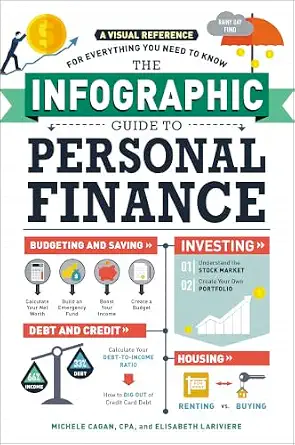 | Best Visual Learner Pick | Format: Paperback | Primary Focus: Visual overview of personal finance basics | Experience Level: Beginner | VIEW LATEST PRICE | See Our Full Breakdown |
| Personal Finance 101: From Saving and Investing to Taxes and Loans, an Essential Primer on Personal Finance |  | Best Breadth of Coverage | Format: Paperback / eBook | Primary Focus: All-around financial literacy primer | Experience Level: Beginner | VIEW LATEST PRICE | See Our Full Breakdown |
| Money Skills for Teens: A Beginner’s Guide to Budgeting, Saving, and Investing |  | Best for Teens and Students | Format: Paperback / eBook | Primary Focus: Foundational money skills for teenagers | Experience Level: Complete beginner (teen) | VIEW LATEST PRICE | See Our Full Breakdown |
| Personal Finance for Beginners – A Simple Guide to Take Control of Your Financial Situation |  | Best Quick-Start Guide | Format: eBook / Paperback | Primary Focus: Taking control of your financial situation as a beginner | Experience Level: Complete beginner | VIEW LATEST PRICE | See Our Full Breakdown |
| The Simple Path to Wealth: Your Road Map to Financial Independence and a Rich, Free Life |  | Best Long-Term Wealth Builder | Primary Focus: Financial independence and index investing | Audience Level: Beginner to intermediate | Format: Paperback and digital editions available | VIEW LATEST PRICE | See Our Full Breakdown |
| Investing 101: From Stocks and Bonds to ETFs and IPOs, an Essential Primer on Building a Profitable Portfolio |  | Best Investing Primer | Primary Focus: Investing fundamentals and portfolio construction | Topics Covered: Stocks, bonds, ETFs, mutual funds, IPOs | Audience Level: Beginner investors | VIEW LATEST PRICE | See Our Full Breakdown |
| Financial Literacy Essentials For Dummies |  | Best Quick-Reference Starter | Primary Focus: Core financial literacy foundations | Topics Covered: Budgeting, saving, investing, debt management | Audience Level: Absolute beginners | VIEW LATEST PRICE | See Our Full Breakdown |
| Finance for Beginners: 101 Concepts | 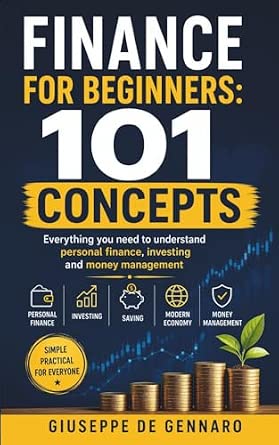 | Best Vocabulary Builder | Primary Focus: Personal finance and investing concepts | Structure: 101 individual concept entries | Topics Covered: Money management, personal finance, investing basics | VIEW LATEST PRICE | See Our Full Breakdown |
| Personal Finance for Beginners: The Complete Guide to Budgeting, Saving, Investing & Getting Out of Debt |  | Best Step-One Blueprint | Primary Focus: Complete beginner personal finance blueprint | Topics Covered: Budgeting, saving, investing, debt elimination | Audience Level: Beginners starting from debt or zero savings | VIEW LATEST PRICE | See Our Full Breakdown |
| personal finance books for beginner | Experience level | Format | Primary Focus | Topics Covered |
|---|---|---|---|---|
| Personal Finance for Teens and | Absolute beginner | — | — | — |
| The Beginner’s Guide to Person | Beginner | — | — | — |
| Personal Finance QuickStart Gu | Beginner | — | — | — |
| Personal Finance For Dummies | Beginner to basic-intermediate | — | — | — |
| How to Adult: Personal Finance | Beginner, early adulthood | — | — | — |
| From Debt to Wealth: Wealth Be | Beginner | Paperback / eBook | Wealth mindset and debt transformation | — |
| The Infographic Guide to Perso | Beginner | Paperback | Visual overview of personal finance basics | Budgeting, saving, investing, credit, financial planning |
| Personal Finance 101: From Sav | Beginner | Paperback / eBook | All-around financial literacy primer | Saving, investing, taxes, loans, budgeting |
| Money Skills for Teens: A Begi | Complete beginner (teen) | Paperback / eBook | Foundational money skills for teenagers | Budgeting, saving, investing basics |
| Personal Finance for Beginners | Complete beginner | eBook / Paperback | Taking control of your financial situation as a beginner | Money management, budgeting, investing basics |
| The Simple Path to Wealth: You | — | Paperback and digital editions available | Financial independence and index investing | — |
| Investing 101: From Stocks and | — | Paperback, part of the Adams 101 series | Investing fundamentals and portfolio construction | Stocks, bonds, ETFs, mutual funds, IPOs |
| Financial Literacy Essentials | — | Paperback, condensed Dummies essentials edition | Core financial literacy foundations | Budgeting, saving, investing, debt management |
| Finance for Beginners: 101 Con | — | Digital-first edition | Personal finance and investing concepts | Money management, personal finance, investing basics |
| Personal Finance for Beginners | — | Digital-first edition | Complete beginner personal finance blueprint | Budgeting, saving, investing, debt elimination |
More Details on Our Top Picks
Personal Finance for Teens and Young Adults: Learn Money Skills Not Taught in School
This pick earns its spot by speaking directly to readers who haven’t yet made their first big financial decisions. Where Personal Finance For Dummies assumes an adult audience with existing bills and accounts, this book starts from zero — explaining budgeting, saving, and first-time investing in a tone suited to a high schooler or college student. That framing is its greatest strength: concepts land before bad habits form. Compared with The Beginner’s Guide to Personal Finance, it trades breadth for relevance, keeping examples anchored in allowances, first jobs, and student life. The tradeoff is depth. Anyone past their mid-twenties will outgrow it fast, and it offers no workbooks, calculators, or interactive exercises to bridge the gap between reading and doing.
Pros:- Written for complete beginners with no prior financial knowledge assumed
- Real-world framing that matches teen and young-adult situations like first jobs and student budgets
- Covers the core triad of budgeting, saving, and investing in plain language
- Emphasizes financial independence as an achievable early goal
Cons:- No interactive tools, worksheets, or exercises to reinforce the lessons
- Investment coverage stays surface-level and skips advanced strategies
- Adults with established finances will find little applicable content
Best for: Teens and college students who want to build money habits before adult financial responsibilities pile up
Not ideal for: Readers in their late twenties or older with existing debt, mortgages, or retirement accounts — the content will feel too elementary
- Primary audience:Teens and young adults
- Core topics:Budgeting, saving, investing
- Experience level:Absolute beginner
- Focus:Financial independence fundamentals
- Interactive elements:None included
- Advanced investing content:Limited
Our verdict“Buy this for a teenager or young adult starting from scratch; skip it if you already manage a household budget.”
The Beginner’s Guide to Personal Finance: A Practical Introduction to Budgeting, Saving, Debt, Credit, & Investing
What separates this title from the crowd is its five-pillar structure: budgeting, saving, debt, credit, and investing each get dedicated attention. Many beginner books quietly shortchange one of these — How to Adult, for instance, skims investing in favor of day-to-day money management — but this guide treats credit and debt as first-class citizens, which matters for readers carrying student loans or building a credit history from nothing. The practical framing is a genuine advantage over denser reference-style books like Personal Finance For Dummies, which can feel like a textbook. The tradeoff is verification: the publisher provides little detail about content depth or the author’s credentials, so readers trusting the advice are taking a bit of a leap compared with established series titles.
Pros:- Dedicated chapters on all five core topics instead of uneven coverage
- Treats debt and credit with the same seriousness as investing
- Practical strategies rather than abstract theory
- Approachable structure for readers with zero financial background
Cons:- Author credentials are not clearly documented
- Content depth beyond the introductory level is unclear
- No companion resources or tools mentioned
Best for: Beginners juggling multiple money concerns at once — debt, credit, and saving — who want one book to address all five pillars
Not ideal for: Readers who want author credentials or a recognized expert voice before acting on financial advice
- Primary audience:Adult beginners
- Core topics:Budgeting, saving, debt, credit, investing
- Experience level:Beginner
- Structure:Five-pillar topic coverage
- Approach:Practical strategies and advice
- Author background:Not prominently documented
Our verdict“A solid single-book starting point if your money problems span debt, credit, and saving at the same time.”
Personal Finance QuickStart Guide: The Simplified Beginner’s Guide to Eliminating Financial Stress, Building Wealth, and Achieving Financial Freedom
Most beginner finance books organize around topics; this one organizes around a feeling — financial stress — and that makes it the right fit for readers paralyzed by money anxiety. The QuickStart framing delivers: complex concepts get compressed into digestible steps, which is exactly what someone avoiding their bank statement needs. Compared with The Beginner’s Guide to Personal Finance, it moves faster and demands less of the reader, though it covers less ground in return. And where Personal Finance For Dummies works as a long-term reference you’ll return to, this guide reads more like a one-time on-ramp — read it, act on it, then move on. The cost of that simplicity is real: it lacks detailed financial planning for complex situations and includes no tools or worksheets to keep readers accountable after the final chapter.
Pros:- Explicitly addresses the emotional side of money stress, not just the mechanics
- Simplifies intimidating concepts into beginner-friendly language
- Faster read than comparable full-length guides
- Clear wealth-building progression from first principles
Cons:- Thin on advanced financial planning topics
- No tools, templates, or resources included for ongoing use
- Likely to be outgrown within months of reading
Best for: Stressed or overwhelmed beginners who need a fast, low-pressure entry point before tackling bigger books
Not ideal for: Readers with complicated finances — multiple income streams, estate concerns, or advanced planning needs — who need depth, not speed
- Primary audience:Stressed or overwhelmed beginners
- Core topics:Financial stress, wealth building, financial freedom
- Experience level:Beginner
- Format style:Quick-start, simplified guide
- Pace:Fast, low-commitment read
- Advanced planning content:Limited
- Included tools:None
Our verdict“Choose this if money anxiety is your biggest obstacle; choose a deeper guide once you’re ready to build on the basics.”
Personal Finance For Dummies
This is the long-haul option in the lineup: a broad, methodical reference you can keep on the shelf and consult as questions arise, rather than a book you read once. Unlike Personal Finance QuickStart Guide, which prioritizes speed over substance, the Dummies format explains the reasoning behind each recommendation, giving readers actual financial literacy rather than a checklist. Its coverage spans budgeting, saving, investing, and debt management at a level of consistency the smaller niche titles can’t match — How to Adult and the teen-focused books simply don’t attempt this scope. The flip side is density. Newcomers looking for motivation or a quick win may stall partway through, and readers who already know the basics will find much of it repetitive. It’s the most complete beginner option here, but not the most exciting one.
Pros:- Established series with a proven, reader-friendly teaching format
- Consistent depth across budgeting, saving, investing, and debt
- Works as both a cover-to-cover read and a dip-in reference
- Explanations build genuine understanding, not just instructions
Cons:- Too basic for readers with intermediate financial knowledge
- Longer and denser than quicker-start alternatives
- Reference tone offers less narrative momentum than personality-driven books
Best for: Readers who want one durable, all-purpose money reference they’ll return to for years instead of buying multiple books
Not ideal for: Impatient beginners seeking a short motivational read — the reference format can feel dry and slow-moving
- Primary audience:Beginners wanting a lasting reference
- Core topics:Budgeting, saving, investing, debt management
- Experience level:Beginner to basic-intermediate
- Format style:Reference-style guide, Dummies series
- Depth:Broad and consistent across topics
- Re-readability:High — designed for repeated consultation
- Length:Longer than quick-start guides
Our verdict“The safest default choice if you want a single comprehensive book — just accept it’s a commitment, not a quick read.”
How to Adult: Personal Finance for the Real World
Where Personal Finance for Teens and Young Adults targets readers still in school, this book meets them one step later: the freshly independent adult facing rent, paychecks, bills, and insurance for the first time. Its strength is immediacy — the advice connects to this month’s decisions, not distant retirement horizons. Compared with Personal Finance For Dummies, it’s shorter, friendlier, and far less intimidating, which matters for readers drowning in new responsibilities. But that narrow focus is also its ceiling. Investment strategy gets minimal treatment, long-term financial planning is largely absent, and ambitious readers aiming for early financial independence will be better served by Personal Finance QuickStart Guide, which pushes further into wealth building. Think of it as a bridge book: excellent for surviving your first adult years, insufficient as a complete financial education.
Pros:- Directly addresses first-time adult financial responsibilities like rent and bills
- Friendly, accessible tone for overwhelmed new earners
- Practical advice readers can apply immediately
- Well-matched to the 18-to-25 life stage
Cons:- Investment strategies are thin compared with fuller guides
- Little coverage of long-term financial planning
- Content becomes irrelevant once basic adulting skills are established
Best for: Recent graduates and new earners navigating rent, bills, and paychecks for the first time
Not ideal for: Readers focused on long-term wealth building or investing strategy — the forward-looking content is minimal
- Primary audience:Young adults newly living independently
- Core topics:Everyday budgeting, saving, financial planning
- Experience level:Beginner, early adulthood
- Focus:Immediate real-world money management
- Investing content:Limited
- Long-term planning:Minimal
- Tone:Casual and practical
Our verdict“Perfect for surviving your first few years of financial independence, but you’ll need a second book for investing and long-term goals.”
From Debt to Wealth: Wealth Begins With A Rich Mindset
Most beginner finance books, like Personal Finance 101, lead with numbers — budgets, interest rates, tax basics. This one takes the opposite approach: it argues that lasting financial change starts with how you think about money, not how you track it. Readers who feel paralyzed by debt often need that psychological push before spreadsheets make sense, and this book delivers the motivational framing that drier primers skip. The tradeoff is real, though. Where the Personal Finance QuickStart Guide gives you concrete action plans, this book stays at the level of principles and encouragement, leaving readers to figure out the mechanics on their own. This pick makes the most sense as a first book or a companion — something to build momentum before moving to a tactical guide. Read alone, it can feel inspiring but incomplete.
Pros:- Strong motivational framing for readers stuck in a debt spiral
- Practical strategies for shifting from scarcity to wealth-building thinking
- Accessible to complete beginners with no financial background
- Works well as a companion to a more tactical primer
Cons:- Lacks detailed step-by-step financial plans
- Never defines a target audience, so some readers may not connect with its tone
- Thin on concrete numbers, tools, and worked examples
Best for: Readers drowning in debt who need motivation and a mindset reset before tackling the practical mechanics of money management
Not ideal for: Anyone who already has the right attitude and wants step-by-step instructions — there are no detailed action plans here
- Format:Paperback / eBook
- Primary Focus:Wealth mindset and debt transformation
- Experience Level:Beginner
- Approach:Motivational and principle-based
- Exercises Included:No
- Best Read As:Standalone motivation or companion to a tactical guide
- Core Topics:Debt, mindset, financial freedom
Our verdict“Buy this if debt has you emotionally stuck and you need the mindset groundwork before a mechanical guide will stick.”
The Infographic Guide to Personal Finance: A Visual Reference for Everything You Need to Know
Not everyone absorbs finance through walls of text, and this book is the lineup’s answer to that problem. Complex ideas — compound interest, credit scores, asset allocation — get translated into charts, diagrams, and visual layouts that make the concepts click in seconds. Compared with Personal Finance 101, which covers similar ground in prose, this format wins for readers who glaze over at dense chapters and want something they can flip through as a desk-side reference for years. The price of that accessibility is depth: advanced topics get one graphic and a caption where other books spend whole chapters. There are also no exercises or worksheets, so it teaches recognition rather than application. Think of it as an exceptionally clear map — but not the vehicle that drives you anywhere.
Pros:- Infographics make intimidating concepts click almost instantly
- Covers a broad sweep of topics: budgeting, investing, taxes, planning
- Excellent quick-reference format you’ll return to
- Far less intimidating than text-heavy primers
Cons:- Advanced topics are oversimplified to fit the visual format
- No practical exercises or worksheets to apply what you learn
Best for: Visual learners and busy adults who want a fast, scannable overview they can reference repeatedly rather than read cover to cover
Not ideal for: Readers who want depth, worked examples, or hands-on exercises — the visuals simplify topics that deserve more explanation
- Format:Paperback
- Primary Focus:Visual overview of personal finance basics
- Experience Level:Beginner
- Approach:Infographic-driven reference
- Exercises Included:No
- Topics Covered:Budgeting, saving, investing, credit, financial planning
- Reading Style:Dip-in reference or quick cover-to-cover read
Our verdict“Choose this if you learn by seeing and want the fastest possible route to understanding how money basics fit together.”
Personal Finance 101: From Saving and Investing to Taxes and Loans, an Essential Primer on Personal Finance
Where some beginners’ books pick a lane — mindset, visuals, or teen basics — this one aims to cover the entire financial landscape: saving, investing, taxes, and loans under one roof. That breadth is its main advantage over narrower picks like Money Skills for Teens, because it addresses adult financial reality, including taxes and loan mechanics that teen-focused guides skip entirely. The explanations are clear without being condescending, which puts it alongside the Personal Finance QuickStart Guide as one of the more complete starting points in this roundup. The tradeoff is the classic one: wide but not deep. Once you finish it, you’ll understand what a Roth IRA or a loan amortization is, but you won’t have the advanced strategies to act with confidence — that requires a follow-up book. It also includes no exercises, so knowledge transfer depends entirely on the reader.
Pros:- Unusually broad coverage spanning saving, investing, taxes, and loans
- Accessible explanations without jargon or condescension
- Well-organized as a foundation for deeper reading
- Covers adult topics many beginner guides ignore
Cons:- Advanced strategies are beyond its scope
- No interactive elements, worksheets, or practical exercises
Best for: Adult beginners who want a single book that introduces every major money topic — including taxes and loans — before specializing further
Not ideal for: Readers past the basics who need actionable investing strategy or tax optimization, not another survey of fundamentals
- Format:Paperback / eBook
- Primary Focus:All-around financial literacy primer
- Experience Level:Beginner
- Approach:Text-based, topic-by-topic primer
- Exercises Included:No
- Topics Covered:Saving, investing, taxes, loans, budgeting
- Depth:Broad introductory coverage
Our verdict“Pick this if you want the widest one-book introduction to personal finance and plan to go deeper on specifics afterward.”
Money Skills for Teens: A Beginner’s Guide to Budgeting, Saving, and Investing
Most books in this roundup are written for adults who already have paychecks, bills, and mistakes behind them. This one starts earlier, teaching budgeting, saving, and investing fundamentals to readers who haven’t earned their first dollar yet. Compared with Personal Finance for Beginners – A Simple Guide, the vocabulary and examples are pitched to a younger audience, which matters — a book that assumes a mortgage and a 401(k) loses a sixteen-year-old by chapter two. The practical tips around budgeting and saving are the strongest material here. The investing section, however, is thin by design, so a teen who catches the bug will outgrow this quickly and should graduate to something like The Simple Path to Wealth. Parents buying this as a gift should also know it’s a starter, not a complete financial education.
Pros:- Age-appropriate language and examples that actually resonate with teens
- Builds practical budgeting and saving habits early
- Simple explanations requiring zero prior financial knowledge
- Fills the gap left by most school curricula
Cons:- Investing coverage is very limited
- Readers will outgrow it quickly once they master the basics
- Little detail available on the full scope of content before buying
Best for: Teens and high school students — and parents buying for them — who want money basics explained before the first paycheck arrives
Not ideal for: Adult beginners or older teens with investing experience; the content and examples are too elementary and the investing section is shallow
- Format:Paperback / eBook
- Primary Focus:Foundational money skills for teenagers
- Experience Level:Complete beginner (teen)
- Approach:Simple, practical, age-appropriate guidance
- Exercises Included:Practical tips, no formal workbook
- Topics Covered:Budgeting, saving, investing basics
- Target Age:Approximately 13–18
Our verdict“Buy this for a teenager who needs money fundamentals before adulting starts — and plan a follow-up book for later.”
Personal Finance for Beginners – A Simple Guide to Take Control of Your Financial Situation
This book competes directly with Personal Finance 101, and the difference is ambition. Where that book surveys everything, this one focuses on a tighter promise: helping a beginner take control of their situation quickly. The explanations are deliberately simple, the practical tips are immediately actionable, and the tone assumes zero background — a combination that suits readers who feel anxious about money and want momentum fast rather than a comprehensive education. Compared with the Personal Finance QuickStart Guide, it’s lighter and faster to finish, which is exactly the point for someone who has abandoned thicker finance books before. The cost of that lightness is twofold: advanced strategies are absent, and there are no interactive tools, worksheets, or resources to bridge reading and doing. It earns its place as the gentlest on-ramp in this roundup, but it’s an on-ramp, not the highway.
Pros:- Genuinely beginner-friendly tone with zero assumed knowledge
- Short enough to finish quickly, building early momentum
- Actionable tips for improving financial health right away
- Covers both money management and investing basics
Cons:- Advanced strategies are completely absent
- No interactive tools, worksheets, or companion resources
- Readers will need a second book soon after finishing
Best for: Money-anxious adults who have bounced off longer finance books and want a short, confidence-building starting point they’ll actually finish
Not ideal for: Hands-on learners who want worksheets and tools, or readers ready for intermediate strategy beyond the basics
- Format:eBook / Paperback
- Primary Focus:Taking control of your financial situation as a beginner
- Experience Level:Complete beginner
- Approach:Simple, quick-start practical guide
- Exercises Included:No
- Topics Covered:Money management, budgeting, investing basics
- Length:Short-form guide
Our verdict“Choose this if overwhelm has kept you from starting — it’s the gentlest entry point here, but plan to level up quickly.”
The Simple Path to Wealth: Your Road Map to Financial Independence and a Rich, Free Life
Among the books in this lineup, this one has the clearest point of view: it argues that financial independence comes from a small set of boring, repeatable moves — save aggressively, invest in low-cost index funds, avoid debt. Where Financial Literacy Essentials For Dummies spreads itself across many topics, this option goes deep on one philosophy, which makes it more persuasive for readers who need conviction, not just information. The tradeoff is real: it is not a reference book. If you want step-by-step help building a first budget, the Personal Finance QuickStart Guide covers that ground better. This pick makes the most sense for someone who already earns money and wants a roadmap to early financial independence rather than a survey course.
Pros:- Clear, opinionated framework that removes decision fatigue
- Accessible to beginners without dumbing down the math
- Strong focus on long-term wealth building over get-rich-quick tactics
- Motivating voice that helps readers actually stick to a plan
Cons:- Narrow focus — little coverage of budgeting, credit, or debt management
- US-centric investing advice that translates poorly to other markets
Best for: Working adults who want a focused philosophy for reaching financial independence through index investing and high savings rates
Not ideal for: Readers starting from zero who need budgeting worksheets and debt-payoff mechanics before any investing discussion
- Primary Focus:Financial independence and index investing
- Audience Level:Beginner to intermediate
- Format:Paperback and digital editions available
- Topic Scope:Saving, investing, F-you money, wealth mindset
- Geographic Relevance:US-centric (Vanguard-style index funds)
- Style:Narrative and conversational, drawn from blog-origin material
Our verdict“Buy this if you want a single, conviction-driven plan for financial independence rather than an all-topic starter manual.”
Investing 101: From Stocks and Bonds to ETFs and IPOs, an Essential Primer on Building a Profitable Portfolio
Most beginner finance books treat investing as one chapter; this one gives it the entire book. Compared with Finance for Beginners: 101 Concepts, which skims many subjects at glossary depth, this title explains stocks, bonds, ETFs, and IPOs with enough structure that a reader can actually open a brokerage account afterward with confidence. That narrowness is also its limitation — it is not a full personal finance guide. Budgeting and debt, which Personal Finance for Beginners: The Complete Guide handles well, are outside its lane. This pick makes the most sense as a second purchase: readers who have stabilized their cash flow and now need to put money to work. It also fills in the portfolio mechanics that The Simple Path to Wealth assumes you already accept.
Pros:- Explains the full vocabulary of investing, from ETFs to IPOs
- Practical portfolio-building strategies, not just definitions
- Well-organized reference structure that is easy to revisit
- Genuinely beginner-friendly without being condescending
Cons:- No coverage of budgeting, credit, or debt management
- Skips advanced strategy, so intermediate investors will outgrow it quickly
Best for: Beginners with an emergency fund in place who want a structured first education in market investing
Not ideal for: Readers still struggling with debt or budgeting — those fundamentals are not covered here
- Primary Focus:Investing fundamentals and portfolio construction
- Topics Covered:Stocks, bonds, ETFs, mutual funds, IPOs
- Audience Level:Beginner investors
- Format:Paperback, part of the Adams 101 series
- Style:Primer/reference with short explanatory sections
- Scope:Investing only — no budgeting or debt content
Our verdict“Choose this as your investing-only foundation once your budget and debt are under control.”
Financial Literacy Essentials For Dummies
The Dummies format earns its place here through speed and scan-ability. Compared with the denser Personal Finance for Beginners: The Complete Guide, this condensed version trades depth for fast answers — budgeting, saving, debt, and investing each get short, plain-language treatments a reader can absorb in a weekend. That brevity is the defining tradeoff: anyone wanting worked examples or a step-by-step wealth plan will find it thin, and The Simple Path to Wealth offers far more momentum on the investing side. But for someone who feels intimidated by jargon and wants a confidence-building first book, this stands out as the lowest-friction entry point in the roundup. It also pairs well as a companion to a more specialized title like Investing 101.
Pros:- Fast, digestible coverage of budgeting, saving, debt, and investing
- Trusted, familiar series format with clear organization
- Zero assumed prior knowledge — no intimidation factor
- Cheap enough to buy alongside a second, deeper book
Cons:- Condensed format leaves little room for real-world examples or exercises
- Content is deliberately basic and quickly outgrown
Best for: Complete newcomers who want a short, jargon-free overview before committing to longer books
Not ideal for: Readers who already know the basics and want actionable depth or a concrete financial plan
- Primary Focus:Core financial literacy foundations
- Topics Covered:Budgeting, saving, investing, debt management
- Audience Level:Absolute beginners
- Format:Paperback, condensed Dummies essentials edition
- Style:Short sections, plain language, reference-friendly
- Depth:Overview level — minimal worked examples
Our verdict“Pick this up if you want the fastest possible on-ramp to financial literacy, then graduate to a deeper title.”
Finance for Beginners: 101 Concepts
Where most books in this roundup are organized around a plan or journey, this one is organized around terms and concepts — a format closer to a structured glossary than a coaching manual. That makes it stronger than Financial Literacy Essentials For Dummies for readers whose main gap is vocabulary: understanding what compound interest, diversification, or credit utilization actually mean before tackling bigger books. The tradeoff is that definitions alone do not change behavior. Compared with Investing 101, which pushes toward building an actual portfolio, this stays descriptive rather than prescriptive — there is no roadmap to follow, and no exercises to apply the concepts. This pick makes the most sense as preparation, giving first-time readers the language they need to get more out of every other book on this list.
Pros:- Covers 101 distinct concepts across personal finance and investing
- Especially easy to read in short sittings or out of order
- Serves as a useful companion and pre-read for deeper books
- Clear explanations with no assumed background
Cons:- Concept-by-concept format lacks narrative momentum and behavior change
- No practical exercises or applied examples
Best for: Readers who want to build financial vocabulary and concept fluency before following a step-by-step plan
Not ideal for: Action-oriented readers who want a concrete plan, exercises, or a wealth-building roadmap
- Primary Focus:Personal finance and investing concepts
- Structure:101 individual concept entries
- Topics Covered:Money management, personal finance, investing basics
- Audience Level:Beginners with no prior knowledge
- Format:Digital-first edition
- Style:Explanatory and educational, non-prescriptive
Our verdict“Best treated as a financial dictionary-plus-primer for your nightstand, not a standalone plan of action.”
Personal Finance for Beginners: The Complete Guide to Budgeting, Saving, Investing & Getting Out of Debt
This is the most sequential book in the batch: it walks a reader through the classic order of operations — stabilize the budget, build savings, kill debt, then invest — which mirrors how beginners actually need to proceed. Compared with The Simple Path to Wealth, which starts from the assumption your finances already work, this guide earns its keep in the earlier, messier stages of getting out of debt and setting up a first budget. The tradeoff is breadth over depth: each of the four pillars gets competent but compressed treatment, so an investor-hungry reader will outgrow it faster than Investing 101. It also overlaps with cheaper, better-known rivals like the Personal Finance QuickStart Guide. Still, for someone who wants one affordable book covering the whole beginner journey, this is the most complete all-in-one in this group.
Pros:- Covers the full beginner journey: budgeting, saving, debt, investing
- Follows a logical sequence that mirrors real financial priorities
- Practical, plain-spoken advice aimed at financial independence
- Affordable all-in-one alternative to buying multiple titles
Cons:- Each topic gets only surface-level treatment
- Lacks the brand track record and reviews of established competitors like the QuickStart Guide
Best for: Budget-strapped beginners who want one inexpensive book covering budgeting, debt payoff, saving, and investing in order
Not ideal for: Readers past the debt-and-budgeting stage who need advanced investing strategy instead of a broad starter tour
- Primary Focus:Complete beginner personal finance blueprint
- Topics Covered:Budgeting, saving, investing, debt elimination
- Audience Level:Beginners starting from debt or zero savings
- Format:Digital-first edition
- Structure:Sequential, foundational-first approach
- Goal Orientation:Financial independence as a long-term target
Our verdict“A sensible single-book starting point if debt and budgeting come before investing on your to-do list.”

How We Picked
I judged every book against what a true beginner actually needs: clarity of language (no unexplained jargon), actionability (does the reader finish knowing their next concrete step?), topic coverage (budgeting, saving, debt, credit, and at least an introduction to investing), and finishability (a 400-page book a beginner abandons is worth less than a 200-page book they complete). I also weighed relevance to the intended reader’s life stage, since a book perfect for a 16-year-old can feel condescending to a 35-year-old dealing with mortgage debt.
The ranking logic follows a simple hierarchy: books that are complete, clear, and actionable rank highest; books that excel in one dimension but fall short in another fill the middle; and books that are either too narrow, too shallow, or aimed at the wrong audience sit at the bottom. Where two books cover similar ground, the one with stronger structure and more practical exercises won the higher slot.
| personal finance books for beginner | Experience level |
|---|---|
| Personal Finance for Teens and | Absolute beginner |
| The Beginner’s Guide to Person | Beginner |
| Personal Finance QuickStart Gu | Beginner |
| Personal Finance For Dummies | Beginner to basic-intermediate |
| How to Adult: Personal Finance | Beginner, early adulthood |
| From Debt to Wealth: Wealth Be | Beginner |
| The Infographic Guide to Perso | Beginner |
| Personal Finance 101: From Sav | Beginner |
| Money Skills for Teens: A Begi | Complete beginner (teen) |
| Personal Finance for Beginners | Complete beginner |
| The Simple Path to Wealth: You | — |
| Investing 101: From Stocks and | — |
| Financial Literacy Essentials | — |
| Finance for Beginners: 101 Con | — |
| Personal Finance for Beginners | — |
Factors to Consider When Choosing Personal Finance Books For Beginners
Choosing a personal finance book sounds simple, but the wrong pick is the most common reason people never finish one. Here are the factors that actually matter before you buy.Match the Book to Your Life Stage First
The single biggest mistake I see buyers make is grabbing a book written for a different audience. Titles in this category rarely advertise whether they target teenagers, college students, or working adults, so check the description and table of contents before purchasing. A teen-focused book will spend pages on allowance budgeting and first paychecks, while an adult-oriented one assumes you already have bills, a bank account, and possibly debt. Reading below your stage wastes money; reading above it causes the overwhelm that makes people quit by chapter three. If you’re buying for a teenager, the teen-specific titles are genuinely better gifts than generic primers. If you’re an adult starting from zero, skip them entirely.
Decide Whether You Want a System or an Overview
Beginner books split into two camps: those that teach one repeatable system (a specific budgeting method, a specific debt payoff order) and those that survey every topic briefly. Systems books work better for people who freeze when faced with too many options, because a single framework removes decision fatigue. Overviews work better for people who want to understand the whole landscape before committing to an approach. Neither is wrong, but knowing which kind of learner you are prevents the common disappointment of finishing a book and feeling no closer to acting. My advice: if you’ve already failed at budgeting before, choose a system book. If money has simply never been explained to you, start with an overview.
Beware of Books That Sell a Mindset Instead of a Method
Several popular titles in this space lean heavily on motivation, affirmations, and wealth mindset language while offering thin practical instruction. Motivation matters, but mindset-only books tend to feel great for a week and produce no lasting change because they never tell you which account to open or how to calculate what to save. A useful test: flip to the middle of the book and see whether it contains numbers, worksheets, or worked examples. If every page is abstract encouragement, you’re buying inspiration rather than education. The best beginners’ books combine some motivation up front with concrete mechanics in the body. One motivational title can complement a practical book, but it shouldn’t be your only one.
Consider Investing Depth — Now or Later
Every book on this list touches investing, but depth varies enormously, from a single definitional chapter to full portfolio-building guidance. If you’re decades from retirement and purely focused on escaping debt, investing depth is a low priority and shouldn’t drive your purchase. But if you’re debt-free with savings sitting idle, a book with real investing instruction saves you from buying a second book immediately. A common and expensive mistake is delaying investing education for years while reading only budgeting-focused material. The pragmatic move is a two-book plan: one general primer now, one investing-specific book once your budget is stable. Some picks in this roundup cover both well enough to make the second purchase unnecessary.
Format Affects Whether You Actually Finish
Roughly speaking, the personal finance books people finish are the ones whose format matches their reading habits, and an unfinished book teaches nothing. If you commute, audiobook availability is worth checking, since several of these titles are narrated well and others lose their tables and worksheets in audio form. If your attention wanders, infographic and list-format books deliver the same core knowledge in a fraction of the reading time. If you like writing things down, look for books with built-in exercises and worksheets rather than pure narrative. Digital versus print also matters here: books you’ll want to flip back to as references are better in print, while one-time-read primers work fine as ebooks.
Publication Date and Currency of Advice
Personal finance fundamentals age slowly, but the details age fast. Tax thresholds, contribution limits, app recommendations, and even banking features can shift meaningfully within a few years, so check the most recent edition before buying. The classic titles in this space get revised regularly, and an older used copy can contain outdated numbers that send you down the wrong path. At the same time, don’t dismiss an older book entirely — the budgeting and debt chapters are usually still sound, and only the specifics drift. The safest approach is buying the latest edition of whichever title you choose and verifying any specific dollar figure or tax rule against a current source before acting on it.
Frequently Asked Questions
Should I buy one general personal finance book or several specialized ones?
Start with one general book, finish it, and only then decide where the gaps are. Beginners often buy three or four books at once, feel overwhelmed by overlapping and sometimes contradictory advice, and abandon all of them. A single well-rounded primer covers budgeting, saving, debt, credit, and basic investing well enough to get you moving within a month. Once you’ve implemented the basics, a specialized follow-up on investing or debt payoff delivers far more value because you understand your own situation better. The exception is if you have one dominant problem, like serious credit card debt, in which case a debt-focused title can be a smart first and only purchase.
Are the teen-focused finance books useful for adults?
Generally not, and this is one of the most common buying mistakes in this category. Teen titles assume no income history, no debt, and no fixed expenses, so they skip exactly the topics adults need most — insurance, taxes, retirement accounts, and managing existing obligations. The concepts are sound, but an adult reader will finish in a couple of hours and still not know what to do about their actual situation. Where teen books genuinely shine is as gifts, since their tone and examples are far more likely to hold a teenager’s attention than an adult primer. If you’re an adult who wants maximum simplicity, choose a short adult-oriented visual guide instead of a teen book.
Is an older edition of a classic personal finance book okay to buy used?
It depends on which chapters you need. The psychology of spending, budgeting methods, and debt payoff strategies hold up well across editions, so a used copy is fine if those are your focus. What drifts are specific numbers: tax brackets, retirement contribution limits, interest rate contexts, and technology recommendations. Those details matter more than beginners expect, because acting on an outdated limit or threshold creates real errors. My suggestion is to buy the latest edition if the price difference is small, and use an older edition only if you treat it as conceptual education and verify specifics elsewhere. For a first book, the newest edition removes that extra step entirely.
Do I need a book at all, or can I learn personal finance from free content online?
Free content absolutely can teach you personal finance, but the structure is what you’re really paying for in a book. Online articles and videos tend to cover single topics in isolation, which leaves beginners unable to sequence the steps — should you save an emergency fund before investing, or pay off debt first? A good book imposes that order, which is why people who read one foundational book typically make faster progress than people who consume scattered free content for years. Books also go deeper on the reasoning behind each recommendation, which helps you adapt advice to your situation rather than following rules blindly. If budget is the constraint, libraries carry nearly every title in this roundup.
What should a personal finance book for a beginner actually include to be worth buying?
At minimum, it needs to cover budgeting, an emergency fund, debt management, credit scores, and a basic introduction to investing, with concrete instructions for each. If any one of those five is missing, you’ll end up buying a second book sooner than you should. Beyond the topic checklist, look for worked examples with real numbers, because beginners learn money math far better from illustrations than from definitions. A glossary or jargon-free writing style matters too, since a book that assumes you already know what an ETF is has misjudged its own audience. Finally, some form of worksheets or action steps at the end of each chapter separates books that change behavior from books that merely inform.
Conclusion
For best overall, Personal Finance QuickStart Guide delivers the most complete, actionable introduction for the widest range of beginners, which is why it tops the list. For best value, Financial Literacy Essentials For Dummies packs the core lessons into a short, inexpensive package that outperforms many longer, pricier competitors. The best premium pick is The Simple Path to Wealth — less a beginner primer than a long-term companion, and the one book here most likely to still sit on your shelf in ten years. For true beginners who dread reading about money, The Infographic Guide to Personal Finance is the easiest entry point in the lineup. Specific needs round it out: Money Skills for Teens for teenage readers, Investing 101 for those past the budgeting stage, and From Debt to Wealth for readers who need motivation alongside mechanics. Whatever you choose, the deciding factor isn’t finding the perfect book — it’s finishing the one you start.
Halloween Picks
halloween
As an affiliate, we earn on qualifying purchases.