For a balanced mix of coverage and smart-home integration, I’d choose the Ring Glass Break Sensor as my best overall pick; the eufy Security Glass Break Sensor E10 stands out for its longer stated detection range, while WSDCAM’s four-pack suits buyers who want loud, standalone alarms across several windows. The main choice is between local alarms that sound at the window and connected sensors that send alerts through a compatible security system. Range, system requirements, and whether a sensor detects vibration or the sound of breaking glass can matter more than pack size alone. Read on for the full breakdown of where each option fits and what to check before choosing.

Get smart everyday buys delivered free with Prime
- Fast, free delivery on millions of items
- Prime Video, Amazon Music and more included
- Member-only deals all year
Key Takeaways
- Ring is the strongest all-around fit for buyers who want real-time alerts and a sensor that does not require a base station, while still needing to check compatibility with their broader setup.
- eufy E10 has the longest stated range in this lineup at 25 feet, but its required HomeBase makes it a better fit for existing eufy households than for shoppers seeking a standalone device.
- WSDCAM’s four- and eight-packs prioritize loud, local alarms; they offer multi-window coverage without the same connected-alert focus as smart security sensors.
- SimpliSafe’s two listings serve the same system-specific role, but the renewed option is distinct from the latest-generation listing and calls for extra attention to condition and compatibility.
- Pack size and sensor style are separate decisions: EVA LOGIK and Catsonic offer several window-focused vibration alarm options, while acoustic sensors are intended to detect the sound of glass breaking.
| WSDCAM Glass Break Sensor Alarm, 125 dB, 4 Pack |  | Best Overall for Standalone Window Alerts | Pack size: 4 sensors | Sensor technology: Vibration/motion | Alarm volume: 125 dB | VIEW ON AMAZON | See Our Full Breakdown |
| ADT Blu Wireless Glass Break Sensor | 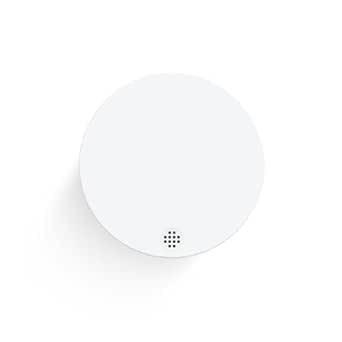 | Best for ADT Blu App Alerts | Detection range: Up to 25 feet | Detection method: Sound detection with machine-learning filtering | Mounting: Wall or ceiling, at least 6.5 feet high | VIEW ON AMAZON | See Our Full Breakdown |
| EVA LOGIK 4-Pack Window Alarms with Vibration Sensors |  | Best for Simple Multi-Window Coverage | Pack size: 4 alarms | Sensor type: Vibration | Alarm volume: 120 dB | VIEW ON AMAZON | See Our Full Breakdown |
| SimpliSafe Glassbreak Sensor – 20ft Range – Sound Detection Technology – Compatible with the New Generation Home Security System (Renewed) |  | Best for Existing SimpliSafe Owners | Detection method: Sound detection | Maximum range: 20 feet | Compatibility: SimpliSafe Home Security System, New Generation | VIEW ON AMAZON | See Our Full Breakdown |
| Catsonic Window Glass Break Alarm with Vibration Sensor, 6 Pack |  | Best for Maximum Standalone Window Coverage | Pack size: 6 alarms | Sensor technology: Vibration sensor | Audible alarm: Up to 130 dB | VIEW ON AMAZON | See Our Full Breakdown |
| Ring Glass Break Sensor – Detect window and glass door break-ins, real-time alerts, easy setup, no base station required |  | Best for Ring Households | Dimensions: 3.78 x 0.98 inches (96 x 25 mm) | Color: White | Power: 3 included AA alkaline batteries | VIEW ON AMAZON | See Our Full Breakdown |
| SimpliSafe Glassbreak Sensor – 20 ft Range – Sound Detection – Compatible with SimpliSafe Home Security System (Latest Generation) |  | Best for Long Battery Life | Detection method: Sound detection | Maximum range: 20 feet | Compatibility: SimpliSafe Gen 3 home security system | VIEW ON AMAZON | See Our Full Breakdown |
| Wsdcam Wireless Glass Break Sensor Alarm, 125 dB, 8-Pack |  | Best for Broad, Low-Setup Coverage | Pack size: 8 sensors | Sensor technology: Vibration sensor | Alarm volume: 125 dB | VIEW ON AMAZON | See Our Full Breakdown |
| EVA LOGIK Ultra-Thin Window Alarm, 8-Pack |  | Best for Adjustable Window Alerts | Pack count: 8 alarms | Sensor: Vibration sensor | Alarm volume: 120 dB | VIEW ON AMAZON | See Our Full Breakdown |
| Abode Acoustic Glass Break Sensor |  | Best for Abode System Integration | Detection method: Acoustic glass-break sound-frequency detection | Connectivity: Wireless | Gateway requirement: Abode gateway, including Iota or Smart Security Kit | VIEW ON AMAZON | See Our Full Breakdown |
| eufy Security Glass Break Sensor E10, 25 ft Range, HomeBase Required |  | Best for HomeBase Owners | Maximum range: 25 feet | Compatible devices: HomeBase 2, HomeBase 3, HomeBase Mini, HomeBase Pro | Detection: AI-based detection across six types of glass | VIEW ON AMAZON | See Our Full Breakdown |
| EVA LOGIK Modern Ultra-Thin Window Alarm with Loud 120dB Sound and Vibration Sensors – 4 Pack |  | Best for Standalone Window Deterrence | Pack size: 4 units | Alarm volume: 120 dB | Sensor technology: Contact sensor with vibration detection | VIEW ON AMAZON | See Our Full Breakdown |
| glass break sensor kit for home security | Power | Dimensions | Mounting |
|---|---|---|---|
| WSDCAM Glass Break Sensor Alar | Battery powered; 3 LR44 batteries per sensor included | — | — |
| ADT Blu Wireless Glass Break S | Battery powered | 2.87 × 1.77 × 0.57 inches | Wall or ceiling, at least 6.5 feet high |
| EVA LOGIK 4-Pack Window Alarms | 2 AAA batteries per alarm; not included | 3 × 0.6 × 3.2 inches | Adhesive |
| SimpliSafe Glassbreak Sensor | Battery powered; lithium metal cell | 2.13 × 1.6 × 2.13 inches | — |
| Catsonic Window Glass Break Al | Battery powered | 2.75 × 2.75 × 0.43 inches | Adhesive window mount |
| Ring Glass Break Sensor | 3 included AA alkaline batteries | 3.78 x 0.98 inches (96 x 25 mm) | — |
| SimpliSafe Glassbreak Sensor | One included lithium battery | 2.13 x 1.6 x 2.13 inches | Wall mount; peel-and-stick or included hardware |
| Wsdcam Wireless Glass Break Se | Battery powered | — | Door mount; peel-and-stick installation |
| EVA LOGIK Ultra-Thin Window Al | 3A batteries, not included | 3.2 x 3 x 0.65 inches | Window mount; wire-free installation |
| Abode Acoustic Glass Break Sen | User-replaceable battery | 4 x 3.7 x 1.5 inches | Window mount; tool-free adhesive installation |
| eufy Security Glass Break Sens | — | — | — |
| EVA LOGIK Modern Ultra-Thin Wi | — | 3.2 × 3 × 0.6 inches | — |
More Details on Our Top Picks
WSDCAM Glass Break Sensor Alarm, 125 dB, 4 Pack
The WSDCAM four-pack suits buyers who want a local warning without adding a security hub or subscription. Each unit reacts to window or door vibration and sounds a 125 dB alarm with a flashing red indicator, so it can alert people nearby even without app notifications. Compared with the ADT Blu Wireless Glass Break Sensor, which listens for breaking-glass sounds and sends app alerts through a compatible system, WSDCAM is simpler and more independent—but it does not provide remote monitoring. Peel-and-stick mounting and included LR44 batteries make setup straightforward, while adjustable sensitivity lets you tune detection for the mounting spot. That adjustment matters: vibration sensors can be triggered by other impacts, so placement and sensitivity may take some attention. Its four-unit pack offers broader coverage than a single sensor, though batteries will eventually need replacing.
Pros:- Four sensors provide coverage for multiple windows or doors
- 125 dB alarm and blinking red indicator give a strong local warning
- Adjustable sensitivity helps tailor vibration detection to the mounting location
- LR44 batteries are included, and low-battery warnings flag replacements
Cons:- No app notifications or connection to a monitored security system
- Vibration detection may need sensitivity adjustment to limit false alarms
- Battery-powered units require eventual battery replacement
Best for: Households that want several easy-to-install, standalone alarms on accessible windows or doors without a hub or app subscription
Not ideal for: People who need remote alerts, centralized monitoring, or sound-based glass detection from across a room
- Pack size:4 sensors
- Sensor technology:Vibration/motion
- Alarm volume:125 dB
- Sensitivity:Adjustable
- Power:Battery powered; 3 LR44 batteries per sensor included
- Battery life:Up to 1 year
- Installation:Peel and stick; no wiring or hub required
- Maximum range:12 meters
Our verdict“Choose this four-pack for independent, loud vibration alarms across several openings, but choose ADT Blu or SimpliSafe if app-connected sound detection matters more.”
ADT Blu Wireless Glass Break Sensor
For a home already built around ADT Blu, this sensor’s main advantage is that it listens for the sound of breaking glass up to 25 feet away rather than relying on contact vibration at one window. Its machine-learning filtering is intended to distinguish glass breakage from ordinary household noise, and app notifications and tamper alerts add information that standalone alarms such as the Catsonic six-pack do not provide. That makes it a better fit for system-connected monitoring than for buyers seeking inexpensive, self-contained sirens. The dependency is substantial: you need a compatible ADT Blu Base and a paid subscription, so it is not a complete solution on its own. Wall or ceiling mounting gives placement flexibility, but installation height must be at least 6.5 feet, and the stated operating range is limited to 32–104 °F.
Pros:- Detects glass-breaking sounds from up to 25 feet away
- Machine-learning filtering is designed to reduce alerts from everyday sounds
- App notifications and tamper alerts connect detection to the ADT Blu system
- Can be mounted on a wall or ceiling
Cons:- Requires a compatible ADT Blu Base and a paid subscription
- Does not operate as a standalone local siren
- Must be mounted at least 6.5 feet high and within its stated temperature range
Best for: ADT Blu households that want room-level acoustic glass-break detection and alerts through their existing app-connected security setup
Not ideal for: Buyers without a compatible ADT Blu Base or those who want a standalone alarm with no paid plan
- Detection range:Up to 25 feet
- Detection method:Sound detection with machine-learning filtering
- Mounting:Wall or ceiling, at least 6.5 feet high
- Power:Battery powered
- Compatibility:ADT Blu system; compatible base and paid subscription required
- Dimensions:2.87 × 1.77 × 0.57 inches
- Operating temperature:32 °F to 104 °F
- Warranty:90-day limited warranty
Our verdict“Pick ADT Blu if you already use its base and subscription and want app-connected sound detection; otherwise, the standalone WSDCAM or Catsonic alarms avoid that system dependency.”
EVA LOGIK 4-Pack Window Alarms with Vibration Sensors
The EVA LOGIK four-pack is a practical choice for buyers who want one adhesive alarm per window and straightforward high- or low-sensitivity settings. Each unit sounds at 120 dB for 60 seconds when vibration triggers it, with a flashing LED for alarm indication and low-battery warnings. Unlike the SimpliSafe Glassbreak Sensor, this is not a room-level acoustic detector tied to a security system; it reacts at the window itself and provides a local warning rather than app alerts. That makes it easier to deploy across several openings without a hub, but it also means the sound comes from the affected window and there is no stated remote notification feature. The main setup snag is that AAA batteries are not included. For a similar standalone approach, WSDCAM includes batteries and offers adjustable sensitivity, while EVA LOGIK specifies two sensitivity levels and a fixed 60-second alarm.
Pros:- Four alarms cover multiple windows without wiring or a hub
- High and low sensitivity settings offer a simple way to adjust detection
- 120 dB alarm sounds for 60 seconds and includes a flashing LED
- Adhesive mounting and included warning stickers simplify placement
Cons:- Two AAA batteries per alarm are not included
- Vibration-based local alarms do not provide app alerts or centralized monitoring
- The 60-second alarm duration may not suit buyers seeking a different alert pattern
Best for: Renters or homeowners who want basic adhesive vibration alarms on several windows and are comfortable supplying AAA batteries
Not ideal for: Buyers who need app alerts, sound-based room coverage, or a kit that is ready to operate with batteries included
- Pack size:4 alarms
- Sensor type:Vibration
- Alarm volume:120 dB
- Alarm duration:60 seconds
- Sensitivity settings:High and low
- Power:2 AAA batteries per alarm; not included
- Mounting:Adhesive
- Dimensions:3 × 0.6 × 3.2 inches
Our verdict“Choose EVA LOGIK for uncomplicated, multi-window vibration coverage if you already have AAA batteries; choose ADT Blu or SimpliSafe for app-connected acoustic detection.”
SimpliSafe Glassbreak Sensor – 20ft Range – Sound Detection Technology – Compatible with the New Generation Home Security System (Renewed)
This renewed SimpliSafe sensor makes the most sense as an add-on for a home already using the New Generation SimpliSafe system. Its acoustic detection covers up to 20 feet, letting one sensor monitor a room rather than requiring a vibration alarm on each pane. Compared with the ADT Blu Wireless Glass Break Sensor, it has a shorter stated detection range, but it fits a different installed system; neither is a standalone choice for buyers who want a local siren without a hub. Pre-installed batteries and adhesive make setup less involved, and the sensor can be part of a system supporting up to 100 sensors. The tradeoff is compatibility: it is limited to the specified SimpliSafe generation, and the renewed condition may bring more uncertainty about remaining service life than a new unit. Placement also matters for sound detection.
Pros:- Sound detection covers up to 20 feet rather than requiring placement on each window
- Pre-installed battery and adhesive help simplify setup
- Integrates with the SimpliSafe New Generation Home Security System
- Can be added to a system supporting up to 100 sensors
Cons:- Compatible only with the specified SimpliSafe system generation
- Renewed condition may make remaining product life less predictable
- Sound detection depends on suitable placement and does not detect every type of intrusion
Best for: Current SimpliSafe New Generation owners who want to add acoustic glass-break coverage to a particular room
Not ideal for: People using another security platform, seeking a standalone alarm, or unwilling to buy a renewed sensor with less predictable longevity
- Detection method:Sound detection
- Maximum range:20 feet
- Compatibility:SimpliSafe Home Security System, New Generation
- Power:Battery powered; lithium metal cell
- Installation:Self-adhesive or screw-in
- Dimensions:2.13 × 1.6 × 2.13 inches
- Control method:App
- Condition:Renewed
Our verdict“This is a sensible room-level add-on for New Generation SimpliSafe owners, while buyers outside that ecosystem should look at standalone WSDCAM or EVA LOGIK alarms.”
Catsonic Window Glass Break Alarm with Vibration Sensor, 6 Pack
Catsonic’s six-pack is aimed at buyers who want to put a local alarm on many windows without installing a base station. Its vibration sensor responds to glass breakage and forceful window opening, and the alarm is rated up to 130 dB. That is louder on paper than the WSDCAM and EVA LOGIK alarms, while the larger pack covers more openings than either four-pack. It also arrives with LR44 batteries installed, and a mute switch silences the alarm while leaving it in standby—a useful option when normal household activity calls for quiet. The tradeoff is a narrow detection approach: it is designed for windows and may not reliably catch doors or sliding windows opened without force. Unlike ADT Blu or SimpliSafe, it does not send app alerts or provide room-level acoustic detection.
Pros:- Six alarms cover more openings than the four-unit WSDCAM and EVA LOGIK packs
- Alarm is rated up to 130 dB
- Pre-installed LR44 batteries reduce setup work
- Mute switch silences the alarm while keeping it in standby
Cons:- Vibration sensing may not reliably detect doors or sliding windows opened without force
- No app notifications, hub integration, or centralized monitoring
- Battery-powered alarms require eventual battery replacement
Best for: Households with several accessible windows that want loud, self-contained vibration alarms and a mute option
Not ideal for: Buyers who need dependable coverage for doors or sliding windows, remote alerts, or acoustic detection across a room
- Pack size:6 alarms
- Sensor technology:Vibration sensor
- Audible alarm:Up to 130 dB
- Power:Battery powered
- Batteries:3 LR44 alkaline batteries per alarm, included and pre-installed
- Battery life:Up to 1 year
- Mounting:Adhesive window mount
- Dimensions:2.75 × 2.75 × 0.43 inches
Our verdict“Choose Catsonic for broad, standalone coverage of conventional windows, but favor ADT Blu or SimpliSafe when room-level sound detection and app alerts are the priority.”
Ring Glass Break Sensor – Detect window and glass door break-ins, real-time alerts, easy setup, no base station required
For buyers who want app alerts without a dedicated alarm hub, the Ring Glass Break Sensor is the most flexible fit here. It connects through Amazon Sidewalk, while Z-Wave use requires an alarm base station; that distinction matters if you want to add it to an existing Ring setup without another central device. Compared with the Abode Acoustic Glass Break Sensor, which requires an Abode gateway, Ring offers a hub-free route when Sidewalk coverage is available. The sensor detects breaking-glass sounds and sends notifications to the Ring app, with optional professional monitoring requiring a separate subscription. Its stated battery life of up to two years reduces routine changes, but Sidewalk availability can vary by location, and Z-Wave removes the no-base-station advantage. I’d choose it for Ring users who want connected alerts, not buyers seeking a stand-alone siren.
Pros:- Sends real-time notifications through the Ring app.
- Can connect through Amazon Sidewalk without a separate base station.
- DIY installation is designed to take minutes.
- Battery life is listed as up to two years.
Cons:- Sidewalk coverage and performance vary by location.
- Z-Wave connectivity requires an alarm base station.
- Professional monitoring requires a separate Ring subscription.
Best for: Ring app users who want glass-break notifications without adding a base station, provided Amazon Sidewalk coverage is available in their area.
Not ideal for: People without reliable Sidewalk coverage or buyers who want professional monitoring included without a separate subscription.
- Dimensions:3.78 x 0.98 inches (96 x 25 mm)
- Color:White
- Power:3 included AA alkaline batteries
- Battery life:Up to 2 years; varies with usage and Sidewalk connectivity
- Connectivity:Amazon Sidewalk or Z-Wave; Z-Wave requires an alarm base station
- Operating temperature:32°F to 120°F (0°C to 49°C)
- Certifications:UL, FCC
- Warranty:One-year limited warranty
Our verdict“Choose this if you use Ring and have Sidewalk coverage; skip it if you need a hub-free connection that works independently of local Sidewalk availability.”
SimpliSafe Glassbreak Sensor – 20 ft Range – Sound Detection – Compatible with SimpliSafe Home Security System (Latest Generation)
The SimpliSafe Glassbreak Sensor suits households already using the SimpliSafe Gen 3 system and wanting sound-based detection rather than a contact or vibration alarm. Its stated 20-foot detection range can cover more than one nearby pane from a considered placement, while app alerts connect the event to the rest of the SimpliSafe system. Compared with the Ring Glass Break Sensor, this model is more tightly tied to one security platform, but its listed battery life of about four years is longer than Ring’s up-to-two-year estimate. That means fewer planned battery changes, not a universal compatibility advantage. Mounting can be peel-and-stick or use the included hardware. The key tradeoff is clear: it is a focused add-on for SimpliSafe Gen 3 owners, not a stand-alone alarm or a good choice for homes using another ecosystem.
Pros:- Detects breaking-glass sounds at a stated range of up to 20 feet.
- Listed battery life is approximately four years.
- Offers peel-and-stick installation or included hardware mounting.
- Sends phone alerts through the SimpliSafe app.
Cons:- Compatible only with the SimpliSafe Gen 3 home security system.
- Requires a security system connection rather than operating as a stand-alone alarm.
- The battery will need replacement after several years.
Best for: SimpliSafe Gen 3 households that want sound-based glass detection, app alerts, and fewer battery replacements.
Not ideal for: People without a SimpliSafe Gen 3 system or buyers seeking a sensor that works as a stand-alone alarm.
- Detection method:Sound detection
- Maximum range:20 feet
- Compatibility:SimpliSafe Gen 3 home security system
- Power:One included lithium battery
- Average battery life:About 4 years
- Mounting:Wall mount; peel-and-stick or included hardware
- Dimensions:2.13 x 1.6 x 2.13 inches
- Warranty:1-year manufacturer warranty
Our verdict“Pick this for a SimpliSafe Gen 3 home that values long battery life; choose Ring instead if you need a different connection path and can use Sidewalk.”
Wsdcam Wireless Glass Break Sensor Alarm, 125 dB, 8-Pack
The Wsdcam 8-pack takes a different approach from the Ring and SimpliSafe sensors: it responds to glass vibration and sounds locally, rather than relying on a security-system app for notifications. That makes it useful for buyers who want several windows or doors covered without wiring or a hub. Each unit has an adjustable sensitivity setting, a flashing red indicator, and a stated 125 dB alarm; sensitivity adjustment matters because overly responsive placement can produce false alarms. Compared with the EVA LOGIK Ultra-Thin Window Alarm 8-Pack, Wsdcam also includes batteries, so setup does not start with a separate battery purchase. The tradeoff is that these are not described as sound-frequency sensors or app-connected devices. I’d choose them for straightforward local alerts across multiple glass surfaces, not for remote monitoring.
Pros:- Eight sensors provide coverage for multiple windows or doors.
- Each unit sounds a stated 125 dB alarm and flashes a red indicator.
- Adjustable sensitivity allows the response to be tuned for placement.
- Peel-and-stick installation needs no wiring or hub, and batteries are included.
Cons:- Vibration detection may need sensitivity adjustment to limit false alarms.
- Local alarms do not provide the app notifications described for Ring or SimpliSafe.
- Each sensor uses three LR44 batteries that will eventually need replacement.
Best for: Households that want several windows or glass doors covered with independent, hub-free vibration alarms and a loud local warning.
Not ideal for: Buyers who need phone notifications, professional monitoring, or sound-based detection integrated with a home security system.
- Pack size:8 sensors
- Sensor technology:Vibration sensor
- Alarm volume:125 dB
- Power:Battery powered
- Batteries:3 LR44 batteries per sensor, included
- Maximum range:12 meters
- Mounting:Door mount; peel-and-stick installation
- Model:C100
Our verdict“Choose Wsdcam for simple multi-window local alarms; pick a Ring or SimpliSafe sensor if remote alerts and security-system integration matter more.”
EVA LOGIK Ultra-Thin Window Alarm, 8-Pack
The EVA LOGIK 8-pack is a practical pick for people who want wire-free vibration alarms on several windows, with high and low sensitivity settings to adapt to different placements. Its stated 120 dB alert and visual status signals add a local warning, while included deterrent stickers make the kit more visibly security-focused than the Abode Acoustic Glass Break Sensor. Unlike Abode’s sound-based sensor, EVA LOGIK reacts to vibration and does not list gateway or app connectivity, so it is better suited to simple, independent alerts than remote monitoring. Compared with the Wsdcam 8-pack, it offers the same number of units and adjustable sensitivity, but its 3A batteries are not included. I’d favor it when visible deterrence and sensitivity choices matter; budget time to source batteries and tune placement to limit false alarms.
Pros:- Eight alarms support coverage across multiple windows.
- High and low sensitivity settings help tailor vibration response.
- Wire-free mounting avoids wiring work.
- Includes deterrent stickers and visual status alerts.
Cons:- 3A batteries are not included.
- Vibration can trigger false alarms depending on sensitivity and placement.
- No app alerts or security gateway connection are specified.
Best for: Homeowners covering several windows who want adjustable local vibration alarms, visual status alerts, and deterrent stickers.
Not ideal for: Buyers who want sound-frequency glass detection, app notifications, or a kit ready to install with batteries supplied.
- Pack count:8 alarms
- Sensor:Vibration sensor
- Alarm volume:120 dB
- Sensitivity settings:High and low
- Power:3A batteries, not included
- Mounting:Window mount; wire-free installation
- Dimensions:3.2 x 3 x 0.65 inches
- Model:NST003-8
Our verdict“Choose EVA LOGIK for adjustable, visible local window alarms across several rooms, but choose Wsdcam if included batteries are a priority.”
Abode Acoustic Glass Break Sensor
For an Abode household, this sensor offers a more system-oriented approach than the Wsdcam or EVA LOGIK alarms: it listens for the sound frequency of breaking glass and can trigger an alarm and immediate alert through the connected setup. That acoustic method differs from those two packs, which react to vibration and sound locally; it makes Abode the more relevant choice when remote alerts within a security system are the goal. Installation is tool-free with adhesive, and its battery is user-replaceable. The catch is platform dependence: a compatible Abode gateway, such as Iota or the Smart Security Kit, is required. Unlike Ring’s Sidewalk option, this is not presented as a hub-free connection. I’d recommend it to Abode owners adding glass coverage, but buyers starting from scratch should account for the gateway requirement.
Pros:- Detects the sound frequency associated with breaking glass.
- Can trigger an alarm and immediate alert through a compatible Abode setup.
- Wireless design uses a user-replaceable battery.
- Tool-free adhesive mounting simplifies placement.
Cons:- Requires an Abode gateway such as Iota or the Smart Security Kit.
- No battery-life estimate or detection range is provided in the listed specifications.
- Less suitable for buyers who want a stand-alone local alarm.
Best for: Existing Abode Iota or Smart Security Kit owners who want acoustic glass detection tied to their security system.
Not ideal for: People without a compatible Abode gateway or buyers seeking a stand-alone alarm or hub-free installation.
- Detection method:Acoustic glass-break sound-frequency detection
- Connectivity:Wireless
- Gateway requirement:Abode gateway, including Iota or Smart Security Kit
- Mounting:Window mount; tool-free adhesive installation
- Power:User-replaceable battery
- Output type:Digital
- Dimensions:4 x 3.7 x 1.5 inches
- Model:104023/A
Our verdict“Choose this as an Abode-system add-on for acoustic detection and alerts; choose Ring if you want a hub-free option where Sidewalk is available.”
eufy Security Glass Break Sensor E10, 25 ft Range, HomeBase Required
The E10 makes the most sense for a home already using a compatible eufy HomeBase: it detects breakage across six glass types from as far as 25 feet away, letting one sensor cover more than a single pane. Its AI-based detection is designed to distinguish glass-break sounds, unlike the EVA LOGIK Modern Ultra-Thin Window Alarm, which responds to vibration at the window and sounds locally. That difference favors the E10 for broader room coverage and connected security, while the EVA LOGIK is simpler for someone who wants an independent alarm. The tradeoff is the required HomeBase; without a compatible hub, this sensor cannot operate. It also relies on battery power, with a stated average life of two years that may vary with use. I’d choose it for integrated coverage, not as a standalone alarm.
Pros:- Detection range of up to 25 feet can cover multiple nearby glass surfaces.
- Supports six types of glass for residential coverage.
- Compatible with several HomeBase models.
- Mounts with adhesive or screws to suit different installation preferences.
Cons:- Requires a compatible HomeBase and cannot operate as a standalone sensor.
- Battery life can vary with usage.
- Designed for residential glass types rather than a wider range of materials.
Best for: Households with a compatible HomeBase 2, HomeBase 3, HomeBase Mini, or HomeBase Pro that want sound-based glass-break detection across a room.
Not ideal for: Shoppers without a compatible eufy HomeBase, or anyone seeking a standalone window alarm that sounds directly at the point of disturbance.
- Maximum range:25 feet
- Compatible devices:HomeBase 2, HomeBase 3, HomeBase Mini, HomeBase Pro
- Detection:AI-based detection across six types of glass
- Power source:Battery powered
- Battery life:2 years average
- Mounting type:Wall mount; adhesive or screw installation
- Color:White
Our verdict“Choose the E10 if you already use a compatible eufy HomeBase and want room-level glass-break detection rather than a standalone window alarm.”
EVA LOGIK Modern Ultra-Thin Window Alarm with Loud 120dB Sound and Vibration Sensors – 4 Pack
This four-pack suits buyers who want an immediate local alarm at selected windows without adding a security hub. Each window-mounted unit uses vibration sensing and can sound a 120 dB alarm; high and low sensitivity settings give some control over how readily movement triggers it. Compared with the eufy E10, this is a simpler, independent deterrent rather than a system sensor designed to detect glass breakage across a room. That makes it a practical fit for renters or households adding basic alerts to several windows, but it does not offer the E10’s stated 25-foot room coverage or HomeBase integration. The alarm is also designed primarily for window mounting, so it is less adaptable around other glass surfaces. Buyers need to supply two AAA batteries per unit, and sensitivity adjustments may take some tuning to limit unwanted alarms.
Pros:- Four units provide coverage for multiple windows.
- Built-in 120 dB alarm sounds locally when vibration is detected.
- High and low sensitivity settings help adapt detection to the window.
- Wire-free window mounting avoids running cables.
Cons:- Two AAA batteries are required for each unit and are not included.
- Window-focused mounting limits placement on other surfaces.
- Vibration-based detection is not the same as the eufy E10’s room-level sound detection.
Best for: Renters and homeowners who want hub-free, audible vibration alarms on several windows and are comfortable supplying AAA batteries.
Not ideal for: Buyers seeking sound-based detection across a room, integration with a home security hub, or an alarm suited to doors and other surfaces.
- Pack size:4 units
- Alarm volume:120 dB
- Sensor technology:Contact sensor with vibration detection
- Sensitivity:High and low settings
- Power source:Battery powered
- Batteries:2 AAA batteries required per unit; not included
- Voltage:3 volts
- Mounting type:Window mount
- Dimensions:3.2 × 3 × 0.6 inches
Our verdict“Pick this four-pack for straightforward, hub-free audible alerts at multiple windows, but choose the eufy E10 for room-level glass-break detection.”

How We Picked
I ranked these options by how well they answer different home-security needs: detection approach, stated coverage, alert method, system compatibility, setup demands, and how many windows a package can cover. A connected sensor can be a better fit for a monitored or app-based system, while a self-contained window alarm can offer direct audible deterrence without adding a hub. I also treated range claims and pack counts as practical fit details, not proof that one device will work equally well in every room.
The ordering favors broad usefulness and clear setup expectations, then gives space to products that make sense for narrower needs. Ring ranks highly for its stated real-time alerts and lack of a required base station; eufy’s longer stated range is a strength, balanced by its HomeBase requirement. Multi-packs from WSDCAM, EVA LOGIK, and Catsonic stand out for covering several openings, while ADT, SimpliSafe, and Abode are more compelling when a buyer already uses the matching security platform. I distinguish the renewed SimpliSafe listing from the latest-generation version rather than treating them as interchangeable.
Factors to Consider When Choosing Glass Break Sensor Kit For Home Security
Before choosing a kit, I’d map the windows and glass doors that matter, then decide how an alert should reach you. A low-cost local siren and a connected sensor solve different problems; neither automatically replaces the other. These checks can prevent mismatched systems, blind spots, and buying more sensors than your home needs.
Choose Sound Detection or Vibration for the Threat You Want to Catch
Acoustic glass break sensors listen for the sound pattern associated with breaking glass, while vibration alarms respond to movement or impact at the window. Those methods are not interchangeable: vibration alarms can react to knocks or handling, and an acoustic unit depends on hearing the event from its installed location. A common mistake is assuming any product labeled a glass break alarm detects the same signal. Check the product’s sensing method and place it according to the maker’s instructions, especially when curtains, room layout, or distance could affect sound. For many homes, a mix of approaches may make more sense than choosing solely by the word “glass” on the package.
Treat Range as a Placement Limit, Not a Whole-Home Guarantee
A stated detection range is useful for planning, but it does not promise identical coverage in every room. Walls, closed doors, furnishings, and the position of the sensor can affect how well a sound reaches an acoustic detector. Measure from likely glass break points to the intended sensor location and avoid placing one device where several barriers separate it from the windows. If the room layout is divided or the openings are far apart, multiple sensors may be a better choice than relying on a single maximum-range claim. Confirm whether the range applies to sound detection, wireless communication, or both.
Check the Hub and Security-System Requirements Before Buying
Connected sensors often depend on a compatible security system, hub, or base station, and that requirement affects both setup and ongoing use. A sensor that sends app alerts may be a poor match if it cannot join the system already installed at home. Verify the exact generation or platform named by the manufacturer rather than relying on a familiar brand name alone. This matters particularly when comparing listings that appear similar but specify different system generations or renewed condition. If you want a simple alarm that sounds at the window, a hub-dependent model may add complexity without solving your main need.
Decide Whether You Need a Local Siren, Remote Alerts, or Both
A loud local alarm can alert people nearby and may startle an intruder, but it cannot by itself tell you what happened while you are away. App notifications provide remote awareness, though they depend on a compatible connected setup and should not be mistaken for a siren at the window. Think about who will hear an alarm at home, who needs a phone alert, and whether monitoring is part of your plan. Buyers often focus on the largest decibel figure and overlook how the alert reaches them. Match the alert path to your household routine rather than treating loudness and connectivity as the same feature.
Size the Pack to Your Openings, Not the Headline Count
Count the vulnerable windows and glass doors before comparing four-, six-, or eight-piece packs. Also check whether the listing counts individual alarms, sensors, or another component, since pack labels can obscure what is included. A large pack can be a sensible way to cover many windows with local alarms, but it may be wasteful if only one or two openings need protection. For connected systems, consider whether each added sensor needs separate setup or system capacity. Leave room in the plan for a test and for any openings that are difficult to reach or monitor.
Plan for False Alerts, Testing, and Maintenance
Placement and routine checks affect reliability after installation. A vibration sensor near a frequently slammed door or a window that rattles can produce unwanted alarms, while an acoustic sensor placed too far away may not respond as expected. Follow the manufacturer’s testing guidance and check batteries or system status on a schedule that fits the device. Avoid testing with an actual impact on glass; use the approved test method. If a device has an app or hub connection, confirm alerts still arrive after network or system changes.
Frequently Asked Questions
Should I choose an acoustic sensor or a vibration window alarm?
Choose based on what event you want to detect and how the room is arranged. An acoustic sensor listens for the sound of breaking glass and may cover more than one opening within its stated range, but obstacles and placement can affect it. A vibration alarm mounts at a window and responds to movement or impact, which gives it a direct connection to that opening but may also make it sensitive to routine rattling. If you are unsure, compare the sensing method and installation guidance rather than relying on the product name. Some households may prefer different sensor types in different rooms.
Can one glass break sensor cover several windows?
It can, if the sensor’s specified detection area reaches each opening and the room layout lets the relevant sound reach it. A published range is a planning reference, not a guarantee across walls, closed doors, or noisy spaces. Measure the distance from the sensor location to each window and check the maker’s placement instructions. Separate rooms or obstructed openings may call for additional sensors. A multi-window plan should also account for whether the device sends alerts for the whole area or is tied to one specific opening.
Do I need a hub or a home security system for these sensors?
Not always: some window alarms operate as standalone devices, while connected sensors may need a hub, base station, or matching security system. The product listing’s compatibility details determine whether it can join your existing setup and provide the alerts you expect. Check the exact system generation and any required components before purchase, especially if you already use a branded alarm platform. A hub-based sensor may be useful when you want app or system alerts, but it adds setup dependencies. If you only want a local audible warning, a standalone alarm may be simpler.
Are more sensors better than choosing a sensor with a longer range?
Neither approach is automatically better; the right choice depends on the shape of the home and the sensor type. One longer-range acoustic sensor may suit an open room, while multiple devices can make sense for separate rooms or windows blocked by doors and walls. Additional sensors also mean more installation points, batteries, and setup steps. Start by mapping the openings and the route sound would take to each proposed sensor. Then compare that layout with the stated range and install only enough units to cover the areas you actually need.
Is a renewed security sensor a good choice for a home setup?
A renewed listing may suit a buyer who is comfortable checking condition and package contents, but it deserves more verification than a standard new listing. Confirm the device’s system compatibility, what accessories are included, and what seller or manufacturer support applies to that specific item. For a security device, setup and reliable connection matter as much as the sensor itself. If you want the least uncertainty, a current-generation listing with clearly stated compatibility is the more straightforward route. Do not assume two similarly named listings have identical condition or included components.
Conclusion
My best overall pick is Ring for buyers who want real-time alerts without a required base station. For best value in multi-window coverage, I’d look at the WSDCAM four-pack if loud standalone alarms are the priority, or its eight-pack when more openings need coverage. The best premium-style choice for an existing smart-home setup is eufy E10 for its stated 25-foot range, provided you already have or are willing to add the required HomeBase. For beginners who want a direct, window-mounted alarm, EVA LOGIK’s ultra-thin vibration options keep the choice focused on local alerts rather than a larger connected system. If your specific need is integration with a security platform, compare ADT, SimpliSafe, and Abode against the system you already use; choose SimpliSafe’s latest-generation listing over the renewed version when condition clarity matters most.
Halloween Picks
halloween
As an affiliate, we earn on qualifying purchases.