
TL;DR

Get smart everyday buys delivered free — and shop member deals
- Fast, free delivery on millions of items
- Access to Prime Big Deal Days deals on October 6–7
- Prime Video, Amazon Music and more included
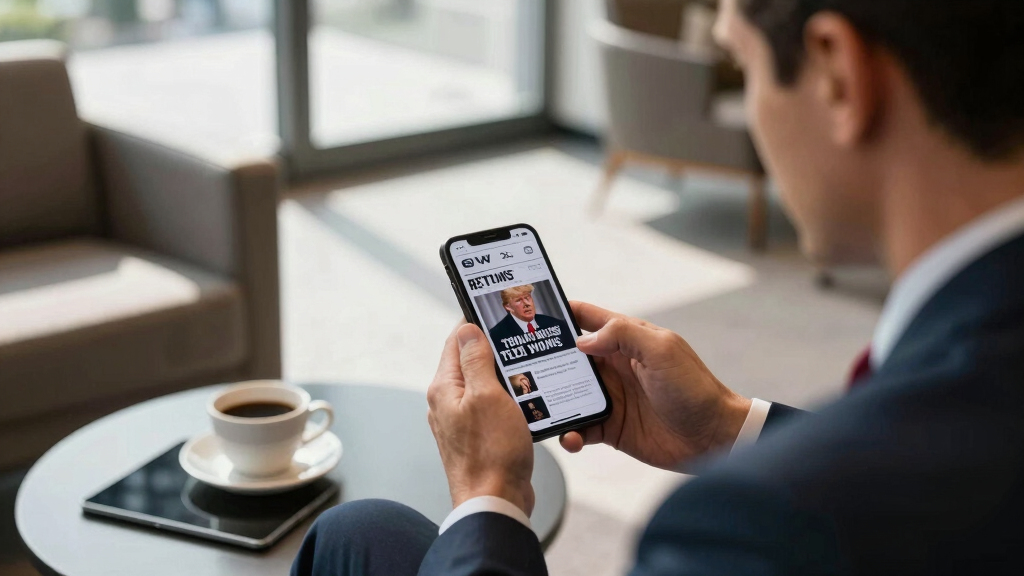
Donald Trump has recently insulted multiple G7 leaders, exposing increasing strains in his relationships with key allies. The tensions are linked to disagreements over Iran and other policy issues, raising concerns about unity at the upcoming summit.
Donald Trump has publicly insulted several G7 leaders in recent weeks, revealing deepening strains in his relationships with key allies ahead of the summit in Évian-les-Bains. These exchanges have raised concerns about alliance cohesion and diplomatic stability among the world’s leading economies.
Over the past month, Trump has made a series of disparaging remarks about fellow G7 leaders, including calling Canadian Prime Minister Mark Carney ‘Governor Carney’ and dismissing British Prime Minister Keir Starmer as ‘no Winston Churchill.’ He has also criticized German Chancellor Friedrich Merz and Italian Prime Minister Giorgia Meloni for their stances on Iran, with Trump expressing frustration over their reluctance to support his policies against Iran.
Sources indicate that Trump’s comments have been made publicly on social media and during private meetings, with some leaders reportedly responding with subtle rebukes or dismissive comments. The tension appears linked to disagreements over Iran’s regional role and the US-led effort to isolate Tehran, which some G7 members oppose or are hesitant to support.
While some leaders have attempted to downplay the conflicts, the recent exchanges suggest a significant deterioration in diplomatic rapport, potentially complicating the upcoming summit’s agenda and efforts to present a united front on global issues.
Implications for G7 Unity and Diplomacy
The escalating tensions between Trump and G7 leaders threaten to undermine the unity of the group at a critical time. With disagreements over Iran and other foreign policy issues, these strained relationships could impact collective decision-making, weaken coordinated action on international crises, and diminish the G7’s influence on global affairs.
For the wider international community, the discord signals potential instability within one of the world’s most influential alliances, possibly affecting negotiations on economic, security, and climate issues. The summit’s effectiveness may be compromised if these personal and diplomatic rifts persist.
As an affiliate, we earn on qualifying purchases.
Pre-Existing Frictions and Recent Escalations
Relations between Trump and G7 leaders have been tense for years, with notable conflicts during his previous terms. His confrontational style, especially on trade and foreign policy, has often led to public disputes. Recent months have seen a spike in personal insults and criticism, particularly over disagreements on Iran, trade policies, and leadership styles.
Historically, leaders like Macron, Trudeau, and Meloni have attempted to maintain diplomatic decorum, but Trump’s recent remarks suggest a shift toward more open hostility. The context includes ongoing debates over Iran’s regional role, US-led sanctions, and differing approaches to international diplomacy.
“Trump’s recent remarks reflect a significant deterioration in his relationships with G7 leaders, which could affect the cohesion of the group.”
— an anonymous researcher
international relations strategy guides
As an affiliate, we earn on qualifying purchases.
As an affiliate, we earn on qualifying purchases.
Unclear Impact on Summit and Future Relations
It remains unclear how these personal insults will influence the actual proceedings of the Évian-les-Bains summit or whether they will lead to tangible diplomatic shifts. Some leaders may choose to downplay the tensions publicly, but the full extent of the fallout is still developing.
As an affiliate, we earn on qualifying purchases.
Next Steps for Diplomatic Recovery and Summit Outcomes
The upcoming summit will serve as a test of whether these tensions can be managed diplomatically. Leaders may attempt to downplay personal conflicts to focus on global issues, but continued public disagreements could hinder consensus on key topics like Iran, trade, and climate change. Monitoring statements and interactions during the summit will provide further clues about the future of these relationships.
political leadership reference books
As an affiliate, we earn on qualifying purchases.
As an affiliate, we earn on qualifying purchases.
Key Questions
Will Trump’s insults affect the outcome of the G7 summit?
It is uncertain. While some leaders may attempt to set aside personal grievances, ongoing tensions could impact group cohesion and decision-making on key issues.
How have G7 leaders responded to Trump’s recent comments?
Responses have been mostly subdued or diplomatic, but some leaders have made subtle rebukes or avoided direct engagement on the issues raised.
Are these tensions new or part of a longer-term pattern?
They are part of a longer-term pattern of strained relations, intensified in recent months over disagreements on Iran and other policy issues.
Could these conflicts impact US relations with allies beyond the G7?
Potentially, yes. Persistent personal and diplomatic conflicts can weaken alliances and influence future cooperation on global challenges.
Source: Google Trends
Fall Picks
fall essentials
As an affiliate, we earn on qualifying purchases.